
There is an assumption buried in almost every list of closed door romance books, and it is wrong. The assumption is that if a book shuts the bedroom door, it has also softened everything else: lower stakes, gentler conflict, a love story with the edges filed off. Readers who want the ache without the explicit scenes get handed cozy small town rom-coms and inspirational fiction, as though wanting less spice means wanting less feeling. It does not. Some of the most devastating love stories ever written never describe a single sex scene. Here are twelve of them, and every entry says exactly what kind of restraint it practices.
1. Persuasion by Jane Austen
Anne Elliot was talked out of marrying Frederick Wentworth at nineteen because he had no fortune and no prospects. Eight years later he returns as a wealthy captain, and she has to watch him be charming to everyone in the room except her. This is the original second chance novel and still the most quietly brutal, because Austen refuses to give Anne a single dramatic scene to hide behind. The whole book is a woman being polite in rooms where the man she loves is choosing not to look at her. Then he writes her a letter and the restraint of the preceding two hundred pages detonates.
Read this if: you want to understand why the entire genre still copies this structure two centuries later.
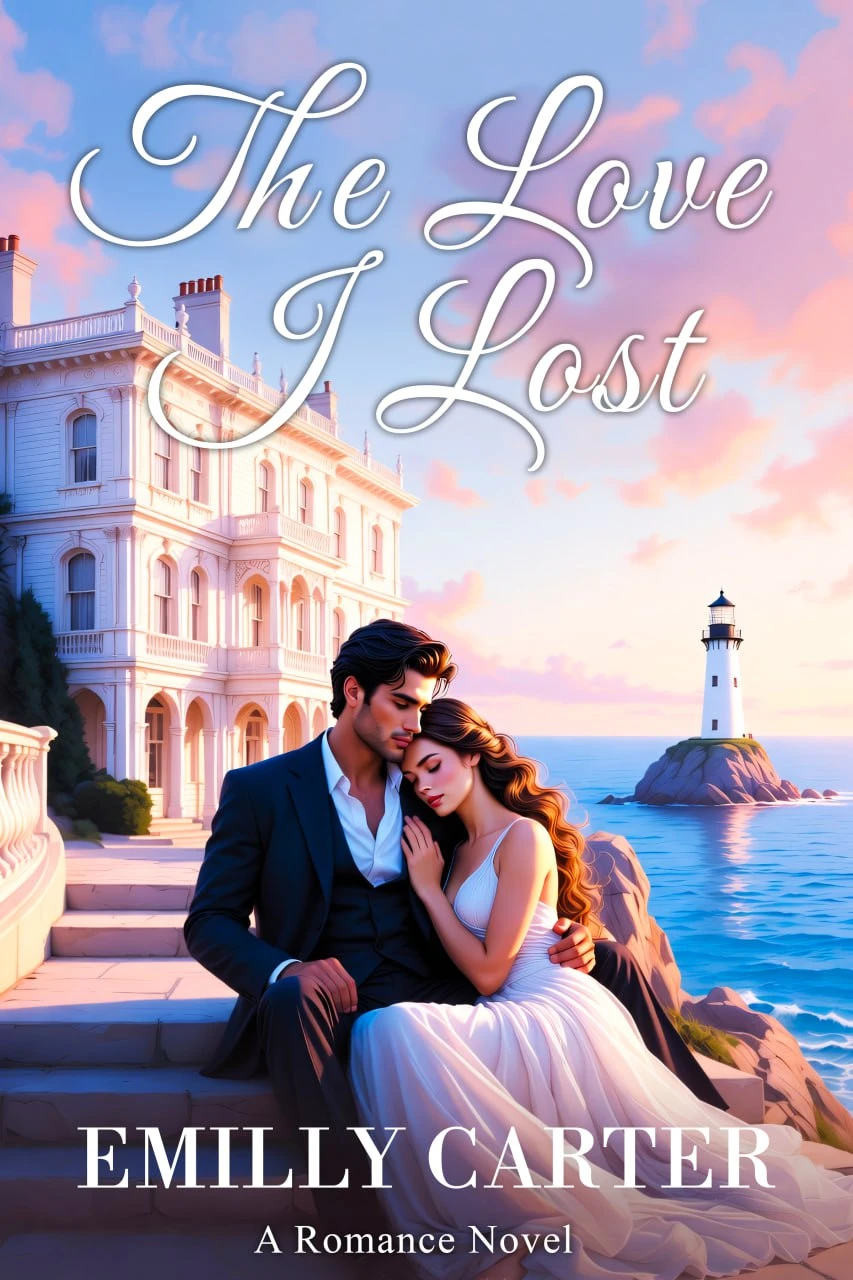
2. The Love I Lost by Emilly Carter
Elena Reyes takes a restoration contract on a crumbling Victorian inn on the Maine coast and finds Marcus Sullivan already working the job, the man she loved at nineteen and spent a decade believing had walked out without explanation. He never did. Their ending was engineered by someone they both trusted, and neither of them learns that until they are already sharing scaffolding and silence. A storm traps them in the building for three days. Carter writes the whole reckoning without a single explicit scene, because the tension in this book was never about whether they would sleep together. It was about whether either of them could survive being told the truth. Hidden letters from 1915 surface in the walls and make the argument for them.
Read this if: you want ten years of wanting, a Maine coastline, and a door that stays politely shut while everything else falls apart.
3. Evvie Drake Starts Over by Linda Holmes
Evvie’s husband died in a car accident on the night she was finally leaving him, and she has told nobody. Dean is a former major league pitcher who lost the ability to throw and moves into her spare apartment to get away from people who keep asking about it. They agree not to discuss either thing. Holmes writes two people circling their own shame in a small coastal Maine town, and the romance arrives sideways, through takeout and radio silence and a deal that neither of them honours. It fades to black and loses nothing, because the intimacy that matters here is the confession, not what follows it.
Read this if: you want grown adults with real damage, a Maine setting, and humour that never undercuts the grief.
4. Eleanor & Park by Rainbow Rowell
Two misfit sixteen year olds share a bus seat in 1986 Omaha and slowly, wordlessly, start passing comic books back and forth. Eleanor is living in a house with a stepfather who terrifies her. Park is the only person who sees it. Rowell builds an entire romance out of hand holding and mixtapes and the specific electricity of sitting next to someone, and then she writes an ending that people still argue about online more than a decade later. If anyone tells you closed door romance books cannot devastate, this is the book you hand them.
Read this if: you want to be reminded that the most charged scene in fiction can be two hands touching.
5. Things You Save in a Fire by Katherine Center
Cassie Hanwell is one of the best firefighters in Austin and gets transferred to a struggling Boston station where she is the only woman and unwelcome from the first shift. She has a rule about not getting involved, built on something that happened to her at sixteen and never dealt with. Center writes competence and trauma with equal seriousness, and the romance with the station rookie develops in the worst possible circumstances, on the clock, in front of everyone. The heat stays low and the stakes stay high, which is the combination this whole list exists to prove is possible.
Read this if: you want a heroine with a job she is genuinely excellent at and a wound she keeps refusing to name.
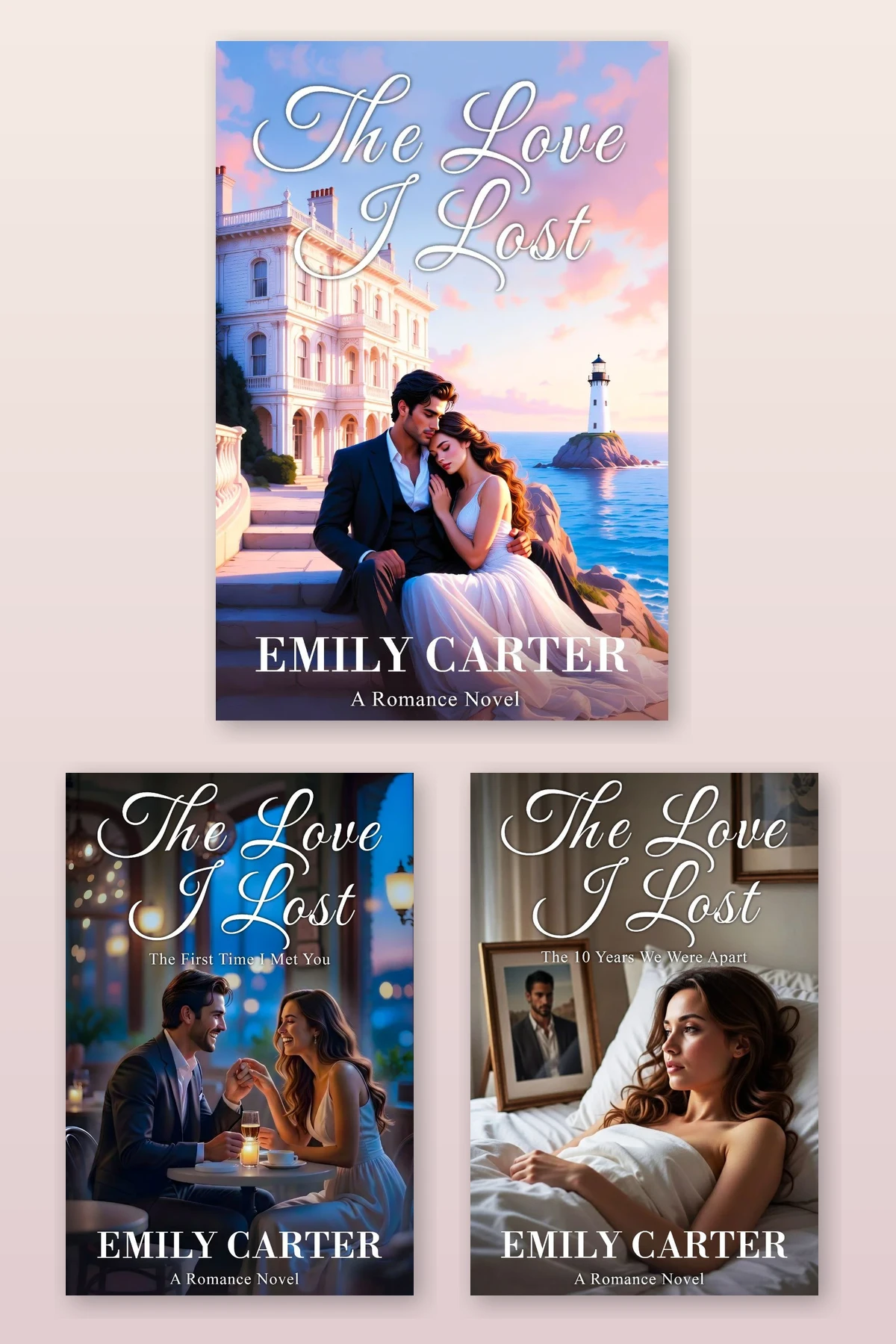
6. The First Time I Met You by Emilly Carter
The prequel, and the one that does the most damage precisely because nothing bad happens in it. Elena and Marcus are nineteen, in the same architecture programme, and the friendship tips into something else across a series of conversations that neither of them reads correctly at the time. Carter lets it unfold at the actual pace of falling in love, which is to say slowly and with a great deal of misreading. The reason it hurts is structural. You have already seen how much of this they lose. They have not. Every ordinary scene carries a weight it has not earned yet, and the book never once needs the door open to make its point.
Read this if: you want first love written honestly, and you can handle knowing more than the characters do.
7. The Cheat Sheet by Sarah Adams
Bree has been in love with her best friend Nathan since high school. Nathan is now an NFL quarterback. Everyone in both their lives can see it except the two of them, and Bree’s friends eventually resort to a written list of signs he is into her. Adams is one of the few authors writing genuinely modern closed door contemporary romance, and this is the book that put her on BookTok. It is light where most of this list is heavy, and it belongs here for exactly that reason. Low spice is a style, not a mood, and this one is pure joy.
Read this if: you want the fun, banter-heavy end of the spectrum without a single scene you would skim.
8. The Guernsey Literary and Potato Peel Pie Society by Mary Ann Shaffer and Annie Barrows
A London writer in 1946 receives a letter from a stranger on Guernsey who has come into possession of a book with her name in it, and an exchange begins that pulls her into the story of an island that spent the war under German occupation. The entire novel is letters. The romance is built out of paper, delay, and what people are willing to put in writing to someone they have never met. For readers who love a love story that arrives through correspondence, this is the high water mark, and it is as closed door as fiction gets.
Read this if: you love an epistolary structure and want a romance that is also a serious book about survival.
9. The 10 Years We Were Apart by Emilly Carter
The conclusion, and the volume that refuses the easy landing. Elena and Marcus finally have the truth about what was done to them, and the book is honest enough to admit that the truth does not return the decade. There is a conversation roughly two thirds through, about the ordinary things they missed rather than the dramatic ones, that does more damage than most tragedies manage. Carter keeps the restraint all the way to the end, and the proposal at the lighthouse lands harder for it, because by then you understand that the thing being offered is not passion. It is the rest of the time.
Read this if: you want a reunion that costs something, and an ending that is earned instead of granted.
The complete Love I Lost trilogy — available now
10. North and South by Elizabeth Gaskell
Margaret Hale moves from the gentle south of England to a grim northern mill town and immediately clashes with John Thornton, the mill owner she considers a brute. He falls in love with her almost at once. She spends most of the novel not realising she has done the same. Gaskell wrote a genuine industrial novel with a slow burn romance running through it, and the tension between the two of them is almost entirely argument, misunderstanding and class. The famous final scene involves a business proposition and a hand. That is all it needs.
Read this if: you want enemies to lovers before anyone called it that, with real politics underneath.
11. Attachments by Rainbow Rowell
Lincoln works the night shift in IT at a newspaper in 1999, reading flagged employee emails, and he is supposed to report Beth and Jennifer for their endless personal correspondence. He does not. He keeps reading instead, and falls in love with a woman who does not know he exists. Rowell takes a premise that should be unbearable and makes it tender, largely by making Lincoln so aware of the problem that his guilt becomes the engine of the plot. The second Rowell on this list, and a completely different register: adult, funny, and about the loneliness of your late twenties.
Read this if: you want an office romance with an unusual structure and no explicit content anywhere in it.
12. The Rosie Project by Graeme Simsion
Don Tillman is a genetics professor who designs a sixteen page questionnaire to find a wife and then meets Rosie, who fails every criterion on it and needs help identifying her biological father. The book is narrated entirely by Don, which means the reader watches him fall in love roughly two hundred pages before he notices. It is very funny, it is closed door without ever making a point of it, and the final act delivers a declaration that is quietly one of the best in contemporary romantic comedy.
Read this if: you want to laugh out loud and still get a properly moving ending.
What Makes Closed Door Romance So Addictive?
The obvious answer is that some readers are uncomfortable with explicit content, and for plenty of people that is the whole story. But it does not explain why closed door romance books so often hit harder, and they frequently do. The real mechanism is that restraint transfers the weight somewhere else. When an author cannot resolve tension physically on the page, every other element has to carry it: the dialogue, the withheld sentence, the hand that almost lands. A writer working under that constraint has to make the wanting do the work, and wanting is the thing readers actually came for.
There is also a structural advantage. Explicit scenes tend to function as a release valve, and once the tension discharges, a book has to manufacture a new source of it. Closed door novels keep the valve shut, which is why so many of them sustain a slow burn across an entire series without sagging. Persuasion holds its charge for two hundred pages on one unopened letter. North and South does it on an argument about wages.
It is worth separating three labels that get used interchangeably and mean different things. Closed door means the sex happens, you simply do not read it. Fade to black is the same thing described by its technique, where the scene stops at the doorway. Clean or sweet romance usually signals something broader, often no sex at all plus restrictions on language, violence and sometimes alcohol, and it frequently carries an inspirational or faith based framing. A reader who wants a closed door romance and gets handed an inspirational one has not been given what they asked for. Every book above is closed door. Not all of them are clean.
Frequently Asked Questions
What is closed door romance?
Closed door romance is a love story where sexual intimacy is acknowledged but not depicted on the page. The characters have a physical relationship, the narrative simply stops at the bedroom door and resumes afterward. It is a choice about what the reader is shown, not a claim that nothing happened, which is the main way it differs from genuinely chaste fiction.
What is the difference between closed door and clean romance?
Closed door describes one specific thing: sex occurs off the page. Clean romance is a broader content promise that often includes no explicit content plus limited profanity, no graphic violence, and sometimes an inspirational or religious framework. All clean romance is closed door. A great deal of closed door romance is not clean, because it may contain swearing, addiction, grief or violence.
Are closed door romance books less emotional?
Usually the opposite. Because the tension cannot be resolved physically on the page, it has to be carried by dialogue, restraint and delay, which tends to intensify the yearning rather than reduce it. Eleanor and Park, Persuasion and The Love I Lost trilogy all end more painfully than most explicit novels, and none of them describes a sex scene.
What does fade to black mean in romance?
Fade to black is the cinematic term for the same technique closed door describes. The scene builds toward intimacy and then cuts away, often at a kiss or a closing door, picking up the following morning. Some readers use fade to black for books with a little more on-page build before the cut, and closed door for books that skip it entirely, but the two are largely interchangeable.
What are the best no spice romance books for someone new to the genre?
Start with The Cheat Sheet by Sarah Adams for something light and modern, or Evvie Drake Starts Over by Linda Holmes for contemporary fiction with real emotional weight. If you want the classic route, Persuasion is short and remains the template for every reunion story written since. Readers wanting a full low spice series can start with The Love I Lost.
You Might Also Love
- Best Second Chance Romance Books
- Slow Burn Romance Books
- Maine Coast Romance Books
- Books Like The Notebook
- Fall Romance Books
- Christmas Romance Books With an Actual Plot
- Cozy Romance Novels
Where to Go From Here
If this list confirmed that what you want is the yearning rather than the explicit scenes, the Love I Lost trilogy was built on exactly that principle. Three books, one decade long reunion, a Maine inn full of hidden letters, and a door that never opens. It is available at the Emilly Carter shop.
Emilly Carter is the author of The Love I Lost trilogy, available now.