
If you have spent any time in romance reviews, you have seen three letters doing an enormous amount of work. “Solid HEA.” “HFN, but I’ll allow it.” “No HEA, one star, how dare she.” So what does HEA mean in books, and why do romance readers treat it less like a preference and more like a contract?
Short version, if all you need is what HEA stands for: Happily Ever After. And in romance it is not a nice extra. It is the rule that defines the genre. This guide covers what HEA and HFN actually mean, where the line between them sits, the endings that get mislabelled as one or the other, and twelve books sorted by the ending they really give you, so you know what you are signing up for before page one.
What Does HEA Mean in Books?
HEA means the central couple ends the book together, committed, with a future the story wants you to believe is permanent. They are not just together on the last page. The book has made the case that they will still be together in forty years.
That is the whole HEA meaning, and it is narrower than people assume. An HEA does not need a wedding, although plenty have one. It does not mean nothing bad happened, and some of the best HEA books put their couples through a decade of damage first. It means that by the last page, the question the book opened with, “will these two end up together,” has been answered yes, with no asterisk.
The acronym came up through romance reader communities and review culture, and it sticks because readers need a quick way to ask the single question that matters most before they commit to a book: is this going to hurt me and then fix it, or just hurt me?
What Does HFN Mean in Books?
HFN stands for Happy For Now. The couple ends the book together and happy, but the story stops short of promising forever. They might have just started dating. They might be facing a future the book deliberately leaves open. The relationship is real and the ending is hopeful, but the permanence is implied rather than guaranteed.
HFN is common in shorter romance, in young adult, and in the first book of a series, where the author needs somewhere left to go. Romance Writers of America defined the genre around an ending that is “emotionally satisfying and optimistic,” and an HFN meets that bar. It is still a happy ending. It is just one that trusts you to fill in the rest.
HEA vs HFN: Where the Line Actually Sits
The difference is not how happy the couple is. It is how much future the book puts on the page.
A simple test works almost every time. Ask whether the final chapter gives you evidence of permanence: a proposal, a wedding, a shared home, a child, an epilogue set years later where they are still together. If it does, it is an HEA. If it gives you the couple choosing each other in the present with the future left open, it is an HFN.
This is also why the epilogue has become such a fixture of the genre. A lot of HEA romance books are technically HFN until the epilogue arrives and jumps forward in time to show the relationship holding. The epilogue is the author signing the contract in front of you.
The Endings That Get Mislabelled
Bittersweet is not an HEA. If one of the couple dies, even gently, even after a lifetime together, most romance readers will not count it. That is the dividing line between romance and love stories, and it is why Nicholas Sparks is so often shelved next to romance without being counted as it.
A cliffhanger is not an HFN. An HFN resolves the book’s central question in the couple’s favour. A cliffhanger refuses to resolve it. Romantasy series are the biggest source of this confusion, because readers pick up book one expecting a romance ending and get a war instead.
A series HEA is real, but it lives in the last book. Some series deliberately withhold the ending, book by book. Some put it first and spend the later books earning it backwards. Both count, as long as you know which one you are reading.
Why Romance Readers Protect the HEA So Fiercely
It sounds strange from outside. Why would readers want to know the ending in advance?
Because the guarantee is what makes the risk possible. When you know the couple ends up together, the author can put them through anything, betrayal, grief, ten years apart, and you can follow them into it without bracing. Tension still works. The question just shifts from whether to how. And “how” is where romance does its best work.
The HEA is also a promise about the reader’s time. Other genres can end in ruin and call it art. Romance made a deal that it would not, and readers who choose it are choosing that deal. Breaking it is not a twist. It is a breach of contract, which is why those one star reviews get so heated.
12 Books Sorted by the Ending They Give You
A note on spoilers: each book below gets its ending type, not its plot. In romance the ending type is not considered a spoiler, it is the label on the tin. The one exception is flagged where it appears.
1. Pride and Prejudice by Jane Austen
The original template, and still the cleanest example of the form. Elizabeth Bennet and Mr. Darcy spend most of the novel misjudging each other with enormous confidence, and the pleasure of it is watching both of them get it wrong in opposite directions. Austen closes with marriage, a home at Pemberley and a final chapter that tells you how everyone’s lives turn out afterward, which is essentially an epilogue two centuries before the genre named them.
Ending: Full HEA, with a wedding and a look at the life after it.
Read this if: you want to see where every enemies to lovers romance you have ever loved got its blueprint.
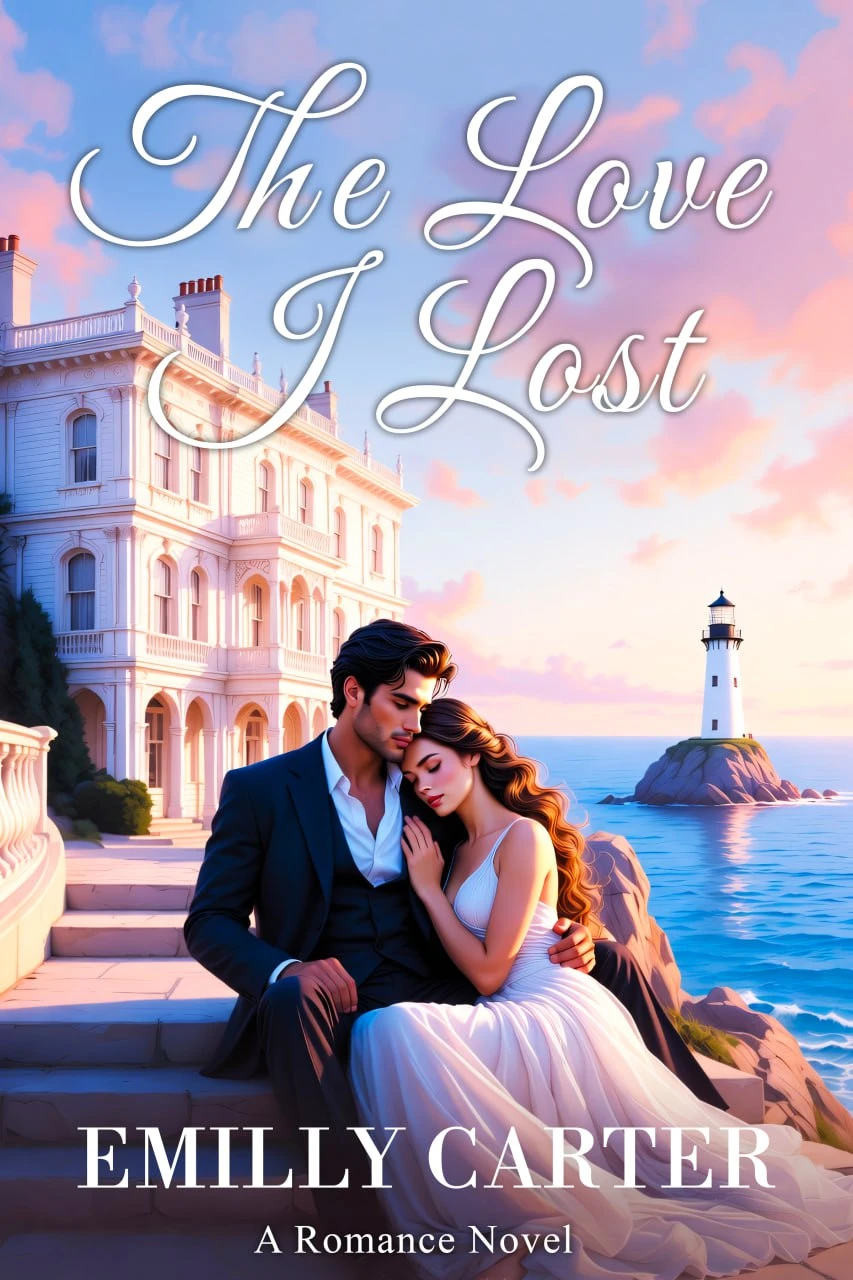
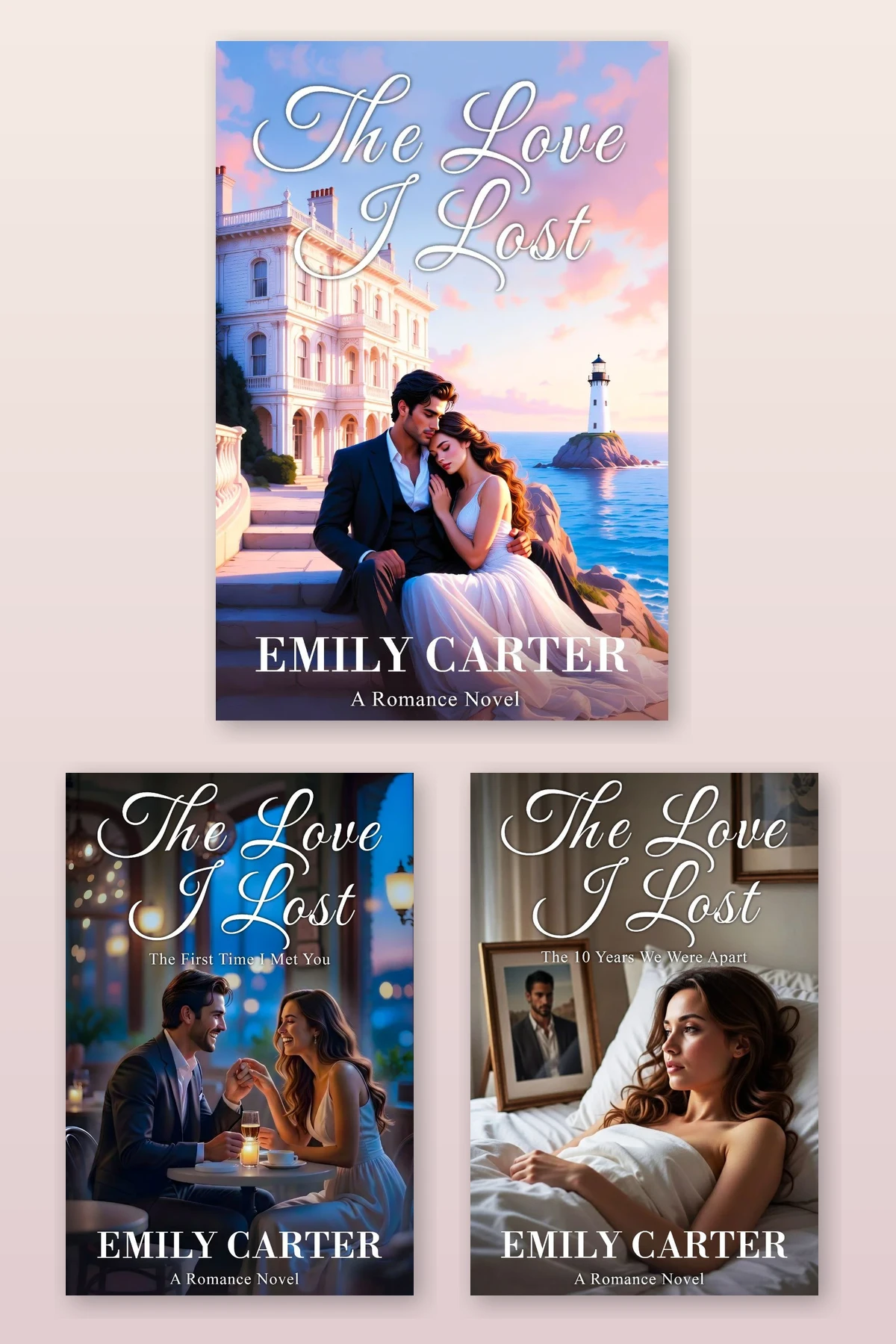
2. The Love I Lost by Emilly Carter
Elena Reyes returns to the Harborview Inn on the coast of Maine to restore it and finds Marcus Sullivan there, the man she lost at twenty-two and has spent ten years believing chose to leave. He didn’t. Someone they both trusted took the relationship apart, and neither of them knows it yet. Hidden inside the inn are letters that begin in 1915, between a man and the woman he loved and never got to keep, and the story of those two lovers runs alongside Elena and Marcus’s own. The book is about whether two people can survive the truth about their past. And then it delivers the full HEA. The wedding is there, vows and all, and the epilogue moves forward in time to show the marriage holding.
Ending: Full HEA, with a wedding and an epilogue.
Read this if: you want a second chance romance that puts its couple through a decade of damage and then keeps every promise the genre makes.
3. The Hating Game by Sally Thorne
Lucy Hutton and Joshua Templeman are executive assistants at a newly merged publishing house, sharing an office, loathing each other in precise and creative ways, and competing for the same promotion. The office games are funny, but the book works because Thorne slowly reveals that Josh has been paying a very specific kind of attention all along. The ending is warm, unambiguous and deeply satisfying.
Ending: HEA. The rivalry resolves and the couple ends committed and in love.
Read this if: you want the rom com version of the HEA, all banter on the way in and all tenderness on the way out.
4. Red, White & Royal Blue by Casey McQuiston
Alex Claremont-Diaz, son of the American president, and Prince Henry of England start as a public relations disaster and become a secret that could damage two countries. The stakes are political, not just romantic, and McQuiston makes the relationship’s survival depend on both men deciding to stop hiding. That makes the ending feel earned in a way many HEA romance books do not manage.
Ending: HEA. They end together, in public, which is the whole fight.
Read this if: you want a happily ever after that costs the characters something to claim.
5. Twilight by Stephenie Meyer
The first book in the saga is a textbook HFN. Bella and Edward end it together and in love, but the question at the heart of the series, whether Bella will become a vampire to stay with him, is left unresolved, and Edward refuses to answer it her way. Three more books follow before the saga closes on a forever the first one only hinted at.
Ending: HFN in book one. The series HEA arrives in Breaking Dawn.
Read this if: you want to see exactly how a series stretches one happy ending across four books.
6. The First Time I Met You by Emilly Carter
The prequel, and the most unusual ending on this list. It starts on a college campus when Elena and Marcus are twenty, and it is the story of how they fell in love, slowly, over two years that neither of them knew were numbered. It is also the story of how they lost each other, and Carter does not soften that. The book ends with them apart. That would break the romance contract anywhere else, except that the HEA is already on record. If you read in publication order, you finished The Love I Lost knowing exactly where these two end up, so every tender scene here carries the weight of what they are about to lose and the certainty that they will get it back.
Ending: Ends apart by design. The series HEA is guaranteed, because it was published first.
Read this if: you want the ache of first love with a safety net you are holding and the characters are not.
7. It Ends With Us by Colleen Hoover
Lily Bloom falls for neurosurgeon Ryle Kincaid, and the book becomes something much harder than the romance its cover suggests. Hoover’s real subject is the pattern Lily grew up watching and the choice to break it. The final pages leave Lily at a beginning with Atlas, her first love, rather than a guarantee. Readers wanted the rest badly enough that Hoover wrote a sequel, It Starts With Us.
Ending: HFN at most. The sequel exists to finish the romance.
Read this if: you can handle a book that treats the HEA as secondary to survival.
8. A Court of Thorns and Roses by Sarah J. Maas
Feyre Archeron kills a wolf in the woods and is taken into the faerie lands as payment. Book one ends with her and Tamlin together, which reads as a clean HFN. Then the second book, A Court of Mist and Fury, takes that ending apart and redirects the entire series. It is the best example in modern romance of why an HFN in book one guarantees nothing about the series.
Ending: HFN, later revoked by the series.
Read this if: you want the romantasy that taught a generation of readers to read book one’s ending as provisional.
9. The 10 Years We Were Apart by Emilly Carter
The decade the other two books skip, told from Elena’s side and Marcus’s in turn. Elena and Marcus build separate lives in the wreckage of a lie neither of them knows is a lie, and the book follows the relationships that almost worked, the careers that filled the space, and the particular loneliness of being fine. Meanwhile an innkeeper on the Maine coast decides she has stayed silent long enough. Carter ends it at the exact moment the reunion becomes possible, one door away. It is the most hopeful HFN you will read, and the HEA it points toward is the one The Love I Lost already delivered.
Ending: Ends on the threshold of the reunion. The HEA completes it in The Love I Lost.
Read this if: you want to feel the full weight of the ten years before the happy ending arrives.
The complete Love I Lost trilogy — available now
10. Fourth Wing by Rebecca Yarros
Violet Sorrengail is forced into a war college for dragon riders where cadets die routinely, and Xaden Riorson, whose father was executed by her mother, has every reason to want her dead. The romance is central and the tension is enormous. But book one ends on a cliffhanger, not a resolution, and the series continues well beyond it.
Ending: Cliffhanger. No HEA yet, and no HFN either.
Read this if: you like your romance with dragons and you can wait years for the answer.
11. The Seven Husbands of Evelyn Hugo by Taylor Jenkins Reid
An aging Hollywood icon tells a little-known journalist the truth about her seven marriages and the woman she actually loved. It is one of the great love stories of the last decade, and it is not a romance by genre rules, because it is told by a woman looking back on a love she has already outlived. Readers who pick it up expecting an HEA feel ambushed. Readers who know going in call it a masterpiece.
Ending: No HEA. A love story, not a romance.
Read this if: you want the emotional scale of a great romance and you are prepared for the genre’s promise not to apply.
12. Me Before You by Jojo Moyes
Spoiler warning for this entry, because here the ending type is the plot. Louisa Clark takes a job caring for Will Traynor, who was paralysed in an accident and has made a decision about his future before she arrives. They fall in love, and the book does not end with them together. It is shelved as romance constantly and it sits outside the genre’s defining rule entirely.
Ending: No HEA. Bring tissues.
Read this if: you want the book that shows exactly why the HEA rule exists, by breaking it.
How to Check for an HEA Before You Start
If you are hunting for books with happy endings, look for the genre label first. A book sold as romance is promising an HEA or HFN. A book sold as women’s fiction, literary fiction or a love story is promising nothing.
Check whether it is book one of a series. If it is, ask whether the series follows one couple across several books or a new couple each time. A new couple per book usually means each book delivers its own HEA. The same couple across a series means the HEA might wait for the finale.
When in doubt, ask. Romance readers are unusually generous about telling you the ending type without the plot, and “is there an HEA” is the most common question on every review site for a reason.
FAQ
What does HEA mean in books?
HEA stands for Happily Ever After. In romance, it means the central couple ends the story together and committed, with a future the book presents as permanent. It is the genre’s defining rule rather than a preference: a story where the couple does not end up together is usually classed as a love story or tragedy instead. The Love I Lost is a classic HEA, with a wedding and an epilogue.
What does HFN mean in books?
HFN stands for Happy For Now. The couple ends the book together and happy, but the story stops short of promising forever, leaving the future open. It is common in first books of a series, shorter romance and young adult. HFN still counts as a happy ending under romance genre rules, just one that implies permanence instead of showing it.
Does every romance book have to have a happy ending?
Under the genre definition, yes. Romance requires a central love story and an emotionally satisfying, optimistic ending, which means an HEA or HFN. Books where the couple does not end up together, such as Me Before You, are often marketed alongside romance but sit outside it by that definition, which is why readers check before starting.
Is it a spoiler to say a book has an HEA?
Not in romance. The ending type is treated as part of the genre label rather than the plot, and most readers actively want to know before committing. What happens along the way, and how the couple gets there, is the spoiler. The exception is a book where the ending type itself is the twist, which is worth flagging first.
Can a series have an HEA if the first book does not?
Yes. Many series withhold the HEA until the final book, ending earlier volumes on an HFN or a cliffhanger. Some do the reverse, like The Love I Lost trilogy, which publishes the HEA first and then tells the story of how the couple got there. Either way, check which structure you are reading before you judge book one’s ending.
You Might Also Love
- Romance Tropes
- What Is Second Chance Romance
- Sad Romance Books
- Romance Trilogy Series
- What Does MMC Mean in Books
- What Is Contemporary Romance
Where to Go From Here
If the guarantee is what makes a romance worth the risk for you, the full Love I Lost trilogy is built around it: the happily ever after comes first, and the two books after it show you what it cost. It is available now at the Emilly Carter shop.
Emilly Carter is the author of The Love I Lost trilogy, available now.