Walk into any bookstore and the biggest shelf in the romance section is almost always the same one. Contemporary romance is where Emily Henry lives, where Colleen Hoover lives, where most of the books on your feed live. It is also a label that gets used so often it has stopped explaining itself. So what is contemporary romance, exactly, and what does the word on the cover actually promise you?
The short answer: contemporary romance is a love story set in the present day, or close enough to it that the world feels like ours, with an ending that leaves the couple together. This guide covers the contemporary romance meaning, how it differs from historical romance and from general fiction, the subgenres hiding under the label, and twelve books sorted by type so you can find your corner of the shelf.
What Is Contemporary Romance?
Contemporary romance is two things at once, and both words are doing work.
Romance is the genre promise. The Romance Writers of America define a romance novel by two elements: a central love story, and an emotionally satisfying and optimistic ending. The relationship is the main plot, not a subplot, and the book ends with the couple together, either in a happily ever after or a hopeful “happy for now.”
Contemporary is the setting. The story takes place in a world the reader recognises: phones, jobs, apartments, group chats, coffee orders. There is no magic system and no ballroom. The obstacles are ones a real person might face, like grief, ambition, distance, family, or the fact that the right person showed up at a terrible time.
Put together, the contemporary romance meaning is simple. A modern love story whose plot is the relationship, and whose ending keeps its promise. Everything else, from the heat level to the setting to the tone, can vary enormously, which is why the label covers so much ground.
How Recent Does “Contemporary” Have to Be?
There is no official cutoff year, and readers argue about it. The practical test is whether the world of the book feels like the reader’s own. A novel written in 1995 and set in 1995 still reads as contemporary to most people, even though nobody in it has a smartphone.
Historical romance, by contrast, is built around a period: Regency ballrooms, Victorian London, the Scottish Highlands, the Second World War. The period is part of the appeal, and the rules of that world (marriage markets, class, reputation) usually create the central obstacle.
Some books sit across the line. A dual timeline romance tells a present-day love story alongside one from the past, and it is usually shelved by its present-day couple, because that is the relationship that has to end happily.
Contemporary Romance vs Contemporary Fiction
This is the distinction that causes the most confusion, and it matters if you care how a book ends.
Contemporary fiction is any novel set in the present day. It can contain a love story, even a central one, but it makes no promise about the ending. Women’s fiction and literary fiction often follow a love affair closely and then let it fall apart, because the book is really about one person’s life rather than the couple.
Contemporary romance makes the promise. However much the story hurts in the middle, the relationship is the point and it lands. If you have ever finished a book marketed as a “love story” and felt cheated by the last chapter, you were probably reading contemporary fiction while expecting contemporary romance.
The Subgenres Inside Contemporary Romance
Most readers do not actually want “contemporary romance.” They want one specific corner of it. These are the labels you will see most often in romance genres lists and on retailer pages.
Romantic comedy. Banter, set pieces, a lighter touch. The modern rom-com often carries real grief underneath the jokes.
Small town romance. A tight community, a local business, a returning character. The town is practically a character.
Second chance romance. Two people who loved each other once, apart for years, forced to reckon with why.
Sports romance. Athletes, usually hockey or football, often at college.
Workplace romance. Rivals, coworkers or boss and employee, where the job raises the stakes.
New adult and college romance. Leads in their late teens or early twenties, first love and first heartbreak.
Billionaire romance. Wealth and power as fantasy, often with an age or status gap.
Dark contemporary romance. Morally grey heroes, obsession, danger, and frequent trigger warnings.
Steamy contemporary romance. Defined by heat level rather than plot, with open-door scenes on the page.
A single book usually sits in two or three of these at once. The twelve below are sorted by the corner they represent best.
12 Contemporary Romance Books, Sorted by Type
1. Beach Read by Emily Henry
January Andrews writes romance novels and has stopped believing in happy endings. Broke and grieving, she moves into the Michigan lake house her late father left behind, a house she has just discovered he shared with another woman. Next door is Augustus Everett, a literary fiction writer and her old college rival, who is stuck too. They make a bet: for one summer, she will write a serious literary novel and he will write a romance with a happy ending. Henry turns the contemporary romance vs literary fiction argument into the plot, and then quietly proves romance can carry real grief.
Subgenre: Emotional romantic comedy.
Read this if: you want a book that explains, through its own plot, why romance readers want the happy ending.
2. The Love I Lost by Emilly Carter
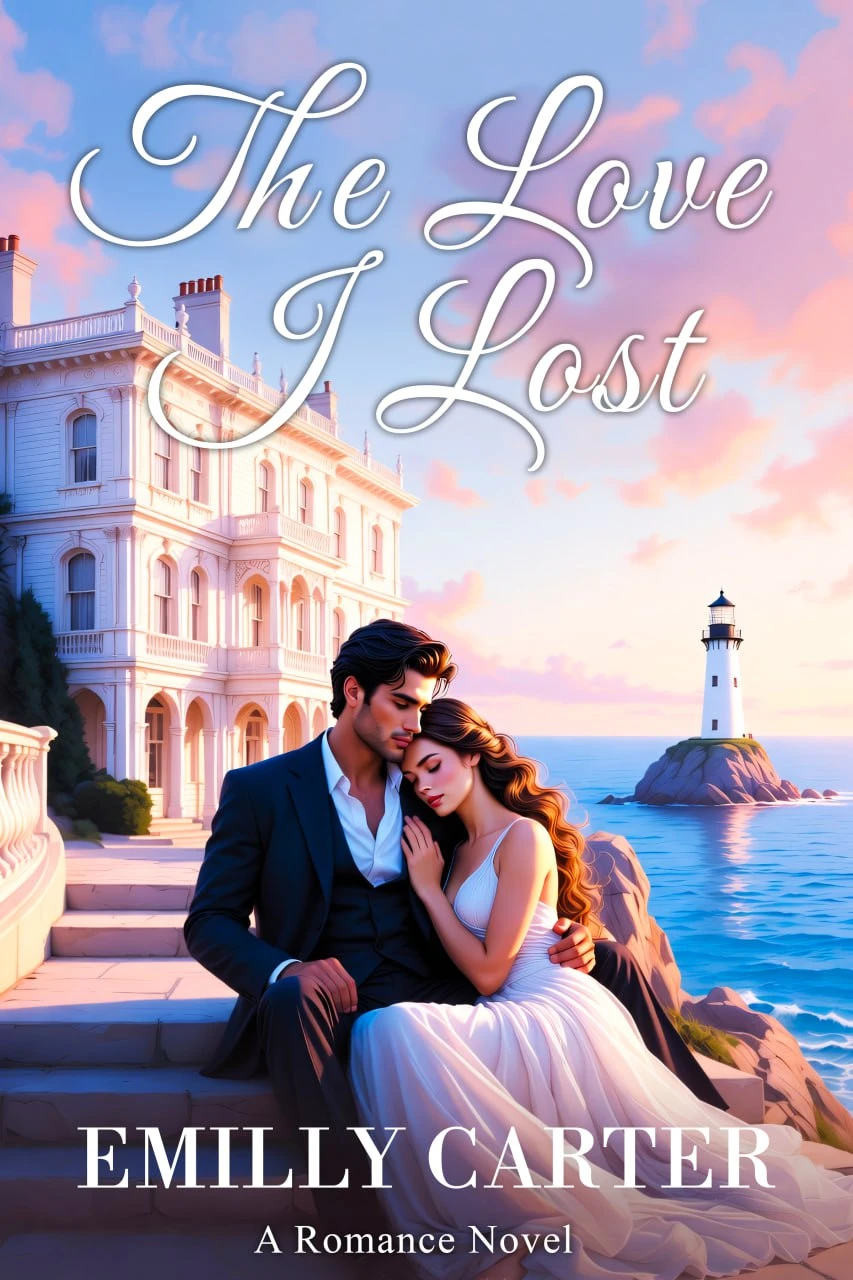
This is contemporary romance with a century-old story hidden in its walls. Elena Reyes, a Boston interior designer who has just lost her biggest client, takes on the restoration of the Harborview Inn, an 1892 Queen Anne Victorian on the coast of Maine. The structural architect on the job is Marcus Sullivan, the man she believes walked away from her without a word ten years earlier. He didn’t. Someone they both trusted took them apart, and the inn holds letters from 1915 that tell the same story about two other lovers who never found their way back. A three-day storm traps Elena and Marcus inside with everything they never said, and the book ends with the full happily ever after, a lighthouse proposal, and the ring he kept in a safety deposit box in Portland for a decade.
Subgenre: Second chance, small town Maine, with a dual timeline thread.
Read this if: you want a present-day love story with the atmosphere of a historical one, and an ending that fully pays off.
3. The Kiss Quotient by Helen Hoang
Stella Lane is a thirty-year-old econometrician who is brilliant with data and anxious about intimacy, and she is autistic, as is Hoang. Her solution is a practical one: she hires Michael Phan, a professional escort, to teach her what she thinks she is missing. The lessons stop being lessons almost immediately. The book is warm, funny and frank, and its central question (what if being loved does not require becoming someone else?) is the reason it became a modern classic. It is also open door and very steamy.
Subgenre: Steamy contemporary romance.
Read this if: you want heat on the page and a heroine whose mind is the most interesting thing in the book.
4. Red, White & Royal Blue by Casey McQuiston
Alex Claremont-Diaz is the son of the first woman President of the United States. Prince Henry is a grandson of the British monarch. After a very public incident with a cake at a royal wedding, the two are ordered to stage a friendship for the cameras, and the fake friendship turns into the real thing, conducted mostly by email and secret visits. It is a rom-com with political stakes, and one of the best examples of how far contemporary romance can stretch while still feeling like our world.
Subgenre: LGBTQ+ romantic comedy.
Read this if: you want big romantic gestures, sharp banter and a love story conducted in letters by email.
5. Virgin River by Robyn Carr
Melinda Monroe is a widowed nurse practitioner and midwife who leaves Los Angeles for a job in a tiny mountain town in Northern California, expecting a cabin and a fresh start. She gets a cabin that is falling down and a town that needs her more than she expected. Jack Sheridan, a former Marine who runs the local bar, decides to make sure she stays. The first of more than twenty books and the basis for the Netflix show, it is the template for the small town contemporary romance series.
Subgenre: Small town romance.
Read this if: you want a whole town to fall in love with and twenty more books waiting when you finish.
6. The First Time I Met You by Emilly Carter
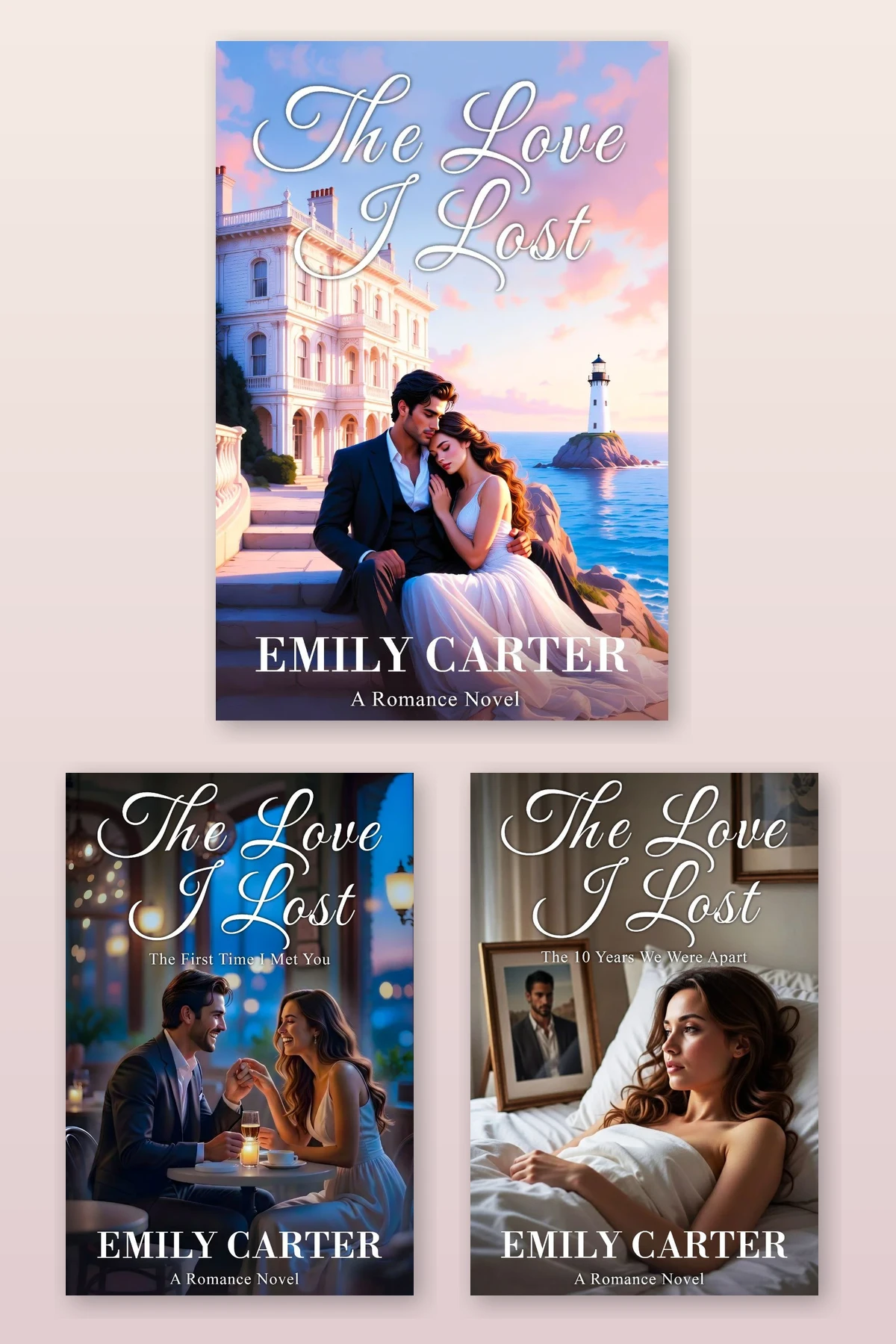
The prequel to The Love I Lost, and the trilogy at its most tender. Elena is twenty, back on campus for the fall and still grieving her mother, when an architecture student named Marcus sits down at her table in a coffee shop and offers his hand with a formality she finds charming. That night he tries to sketch the coffee shop’s floor plan from memory: her table, the light, the distance between their chairs. The book follows their first love through Friday nights at a restaurant they only call “the terrible Italian,” the first snow on their bench by the lake, and the weekend at the inn that ended everything. It is a prequel, so it ends with them apart, which is exactly why it hurts.
Subgenre: College and new adult first love.
Read this if: you love first-love stories and can take an ending that makes the rest of the trilogy land harder.
7. The Deal by Elle Kennedy
Hannah Wells is focused on music and has a crush on a guy who does not know she exists. Garrett Graham is the hockey captain at Briar University, and he is about to be benched unless he passes a class she aces. She agrees to tutor him if he helps her get the attention of the guy she actually wants, and the arrangement gets complicated fast. It opens Kennedy’s Off-Campus series and is one of the books that made college sports romance a category of its own.
Subgenre: Sports and college romance.
Read this if: you want a confident hero, a heroine with real history, and a series to binge.
8. The Love Hypothesis by Ali Hazelwood
Olive Smith is a third-year biology PhD student at Stanford who, to convince her best friend she is over an ex, kisses the first man she sees in the hallway. It happens to be Adam Carlsen, a young professor famous for making students cry. He goes along with it. The fake relationship that follows is a workplace and academic romance with a grumpy hero, a heroine trying to survive her own field, and a sharp eye for how science treats women.
Subgenre: Workplace romance, with fake dating.
Read this if: you like grumpy heroes, fake relationships and a heroine who is the smartest person in the room.
9. The 10 Years We Were Apart by Emilly Carter
The decade between the prequel and The Love I Lost, and the most contemporary of the three in the way it hurts. It opens with Marcus making his forty-seventh call to a voicemail greeting he can recite from memory, at two in the morning, on his kitchen floor. A century earlier in the same story, it took intercepted letters to separate two lovers. Here it takes one lie and a phone that keeps going to voicemail. The chapters alternate between Marcus and Elena, living parallel lives a couple of hours apart and both convinced the other one left. Marcus moves to Portland, restores old buildings, and on the first Saturday of every month drives to Pemaquid Point to sit below the lighthouse without telling anyone. Dorothy, the innkeeper, takes over the final act, and it ends at the exact moment The Love I Lost begins.
Subgenre: Angst and pining, the middle of a contemporary romance series.
Read this if: yearning is your favourite part of any love story and you want to see how ten years apart actually feels.
The complete Love I Lost trilogy — available now
10. Twisted Love by Ana Huang
Ava Chen is warm, a little lost, and haunted by a childhood memory she cannot quite reach. Alex Volkov is her older brother’s best friend, cold, ruthless and dangerously focused, and when her brother asks him to look out for Ava, he agrees for reasons of his own. The first book in the Twisted series is dark contemporary romance at its most popular: an obsessive morally grey hero, buried secrets, and plenty of heat.
Subgenre: Dark contemporary romance.
Read this if: you want the brother’s best friend trope with a much darker edge. Check the content notes first.
11. The Spanish Love Deception by Elena Armas
Catalina Martín needs a date for her sister’s wedding in Spain, because her ex will be there and her family thinks she has a boyfriend. Aaron Blackford, the tall, irritating coworker she cannot stand, volunteers. The book takes its time, and that is the point: it is a long, slow burn with a fake relationship, a workplace rivalry and a family wedding that forces them to share very close quarters.
Subgenre: Slow burn workplace romance.
Read this if: you like your contemporary romance long, slow and built on banter.
12. Me Before You by Jojo Moyes
This one is on the list as a lesson. Louisa Clark takes a job caring for Will Traynor, a former high-flyer left paralysed after an accident, and what grows between them is one of the most loved love stories of the 2010s. But Me Before You is contemporary fiction, not contemporary romance, and it does not end the way a romance promises to. Readers who come to it expecting the genre’s ending are often devastated in a way they did not sign up for. It is beautifully written. Just go in knowing what kind of book it is.
Subgenre: Contemporary fiction with a central love story.
Read this if: you want to cry, and you are ready for a book that keeps no promise about the ending.
Why Contemporary Romance Hits So Close to Home
Historical romance and romantasy ask you to step into another world. Contemporary romance asks you to recognise your own. The phone that does not ring, the job that eats a decade, the friend who turns out not to be one: these are obstacles a reader has lived, which is why a good contemporary love story can feel more personal than any duke or dragon.
That closeness is also what makes the genre’s promise matter. When the setting is real, the happy ending feels like an argument that this could happen, that the person you lost or never met could still be out there on an ordinary Tuesday. It is a hopeful kind of realism, and it is why so many readers who say they “don’t read romance” have three contemporary romance authors on their nightstand.
And the best contemporary romances borrow freely. The Love I Lost trilogy is a contemporary love story that carries a 1915 love story inside it, and the two couples mirror each other across a century. One gets the ending. One doesn’t. That contrast is only possible because the present-day romance keeps its promise.
FAQ
What is contemporary romance?
Contemporary romance is a romance novel set in the present day or recent past, in a world that feels like the reader’s own. Like all romance, it centres on the love story and ends with the couple together, in a happily ever after or happy for now. Emily Henry’s Beach Read and Emilly Carter’s The Love I Lost are both contemporary romance.
What is the difference between contemporary romance and historical romance?
The setting. Contemporary romance takes place in the modern world, while historical romance is built around a past period, such as Regency England or the Scottish Highlands, where the era’s rules create the obstacles. Dual timeline books mix the two and are usually shelved by their present-day couple, like The Love I Lost with its 1915 letters.
Is contemporary romance the same as contemporary fiction?
No. Contemporary fiction is any novel set in the present, and it can follow a love story without promising a happy ending. Contemporary romance makes that promise: the relationship is the main plot and it ends with the couple together. Me Before You is a well-known example of contemporary fiction that readers often mistake for romance.
Are contemporary romance books spicy?
Some are and some are not. Heat level is separate from the genre, so contemporary romance books for adults range from closed door, where intimate scenes happen off the page, to fully open door. The Kiss Quotient and Twisted Love are steamy. The Love I Lost trilogy is closed door, with the emotion on the page instead.
What is a good contemporary romance series to start with?
For small town, Robyn Carr’s Virgin River series. For college and sports romance, Elle Kennedy’s Off-Campus series, starting with The Deal. For second chance, Emilly Carter’s Love I Lost trilogy: The First Time I Met You, The 10 Years We Were Apart and The Love I Lost, which can be read in story order or publication order.
You Might Also Love
- Romance Tropes
- Small Town Romance Books
- What Is Second Chance Romance
- What Does HEA Mean in Books
- Romance Genres
- Contemporary Romance Series
Where to Start
If the corner of contemporary romance you love most is the one where two people get a second chance at the love they lost, the full Love I Lost trilogy is available now at the Emilly Carter shop.
Emilly Carter is the author of The Love I Lost trilogy, available now.