Some couples are kept apart by a misunderstanding. Star-crossed lovers are kept apart by the universe itself, or at least by everything the universe put in their way: the families, the war, the money, the timing, the lie somebody told at exactly the wrong moment. It is one of the oldest phrases in the language of love, and one of the most misread.
So what does star-crossed lovers mean, and does it always end in tragedy? This guide covers the star crossed lovers meaning, where Shakespeare got it, how it differs from “doomed,” what romance novels do with it, and twelve star-crossed lovers books arranged from the most tragic to the most defiant.
What Does Star-Crossed Lovers Mean?
Star-crossed lovers are two people who love each other and are kept apart by forces they cannot control. The relationship is real and mutual. What stands in the way is outside them.
The phrase comes from astrology. For centuries people believed the position of the stars at your birth shaped your fate, and to be “crossed” meant to be thwarted or opposed. So a star-crossed couple is one whose fate seems written against them before they have even met. Their love is not the problem. The sky is.
In everyday use, the star crossed lovers meaning has loosened. People now use it for any couple separated by circumstance: feuding families, class, distance, war, illness, or a third person who comes between them. The thread that ties every version together is that nobody in the couple chose the obstacle.
Where Does the Phrase Come From?
The earliest famous use is the Prologue of Romeo and Juliet, written in the mid-1590s. Before a single scene is played, the Chorus tells the audience that “a pair of star-cross’d lovers take their life” from the two feuding houses of Verona, and that only their deaths will end the feud.
That detail matters. Shakespeare tells you the ending in the first fourteen lines. The tension of the play is not whether Romeo and Juliet will die, but how close they come to escaping it. Every near miss, every letter that fails to arrive, every few minutes of bad timing is the stars at work.
The idea is older than the phrase. Ovid told the story of Pyramus and Thisbe, two young lovers in Babylon whose families forbade the match, who whispered through a crack in a wall and died through a chain of misread signs. Shakespeare knew it well enough to parody it in A Midsummer Night’s Dream. Tristan and Isolde, Lancelot and Guinevere, and Heathcliff and Catherine all belong to the same family tree.
Star-Crossed vs Ill-Fated vs Doomed
These words get used interchangeably, but there is a useful difference.
Doomed describes the ending. A doomed love story ends badly, full stop.
Ill-fated describes the circumstances. The couple met under a bad sign, and things go wrong.
Star-crossed describes the relationship between the two. It says the love is true and the world is against it. In Shakespeare that combination ends in death. In modern usage, and especially in romance, it describes the shape of the obstacle rather than promising a tragic ending.
That is why a reader can call a couple star-crossed in chapter three and still watch them get married in chapter thirty.
What Star-Crossed Lovers Mean in Romance Novels
Romance as a genre makes one promise: the couple ends up together. So when romance borrows the star-crossed lovers trope, it keeps the obstacle and changes the verdict. The stars are still against them. The book’s whole job is to beat the stars.
Romance writers tend to cast the “stars” as one of five forces.
Family. A feud, a disapproving parent, a name that cannot be spoken in the wrong house.
Class and status. Money, title, reputation, the wrong side of the tracks.
History. A war, a century, an era that will not allow this pairing.
Mortality. Illness, or a clock that is running down.
Interference. A third person who lies, intercepts, or rewrites the story each lover believes about the other.
The last one is the most modern, and the most painful, because the stars turn out to be a person. It is also the engine behind many second chance romance novels: two people kept apart for years, not by fate, but by a lie they never knew to question.
12 Star-Crossed Lovers Books, From Doomed to Defiant
Each pick below notes what the stars are in that book, so you can choose your obstacle. Several do not end happily, and that is noted gently and without spoilers.
1. Wuthering Heights by Emily Brontë
Heathcliff arrives at Wuthering Heights as a foundling and grows up wild beside Catherine Earnshaw on the Yorkshire moors. They are made of the same thing, as Catherine famously says, and she marries Edgar Linton anyway, because Heathcliff has no name, no money and no future she can admit to wanting. What follows is less a love story than a storm: revenge, obsession and a second generation that has to live in the wreckage. It is the novel every gothic romance since has been arguing with, and the clearest example of class as the stars.
What’s against them: Class, pride, and each other.
Read this if: you want the original obsessive love story and can take a book with no comfort in it.
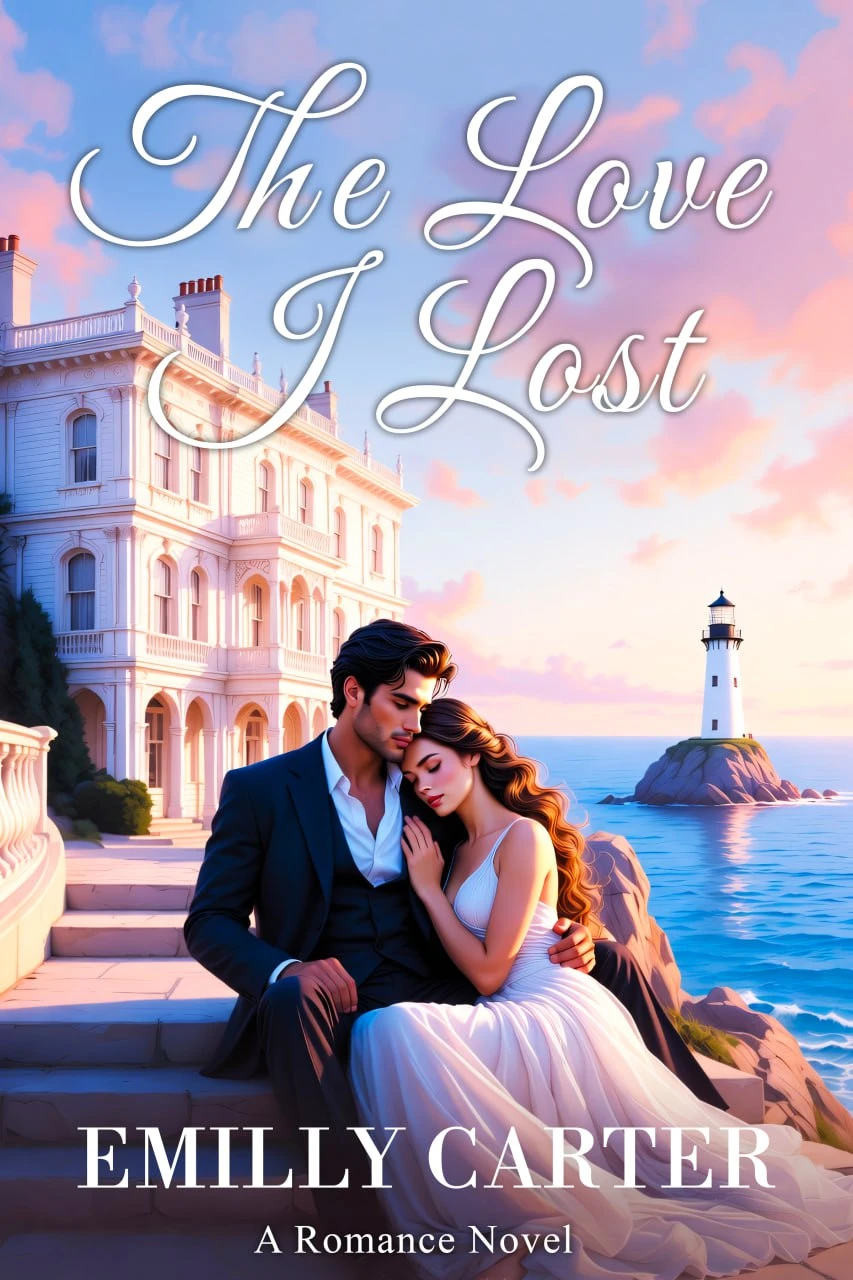
2. The Love I Lost by Emilly Carter
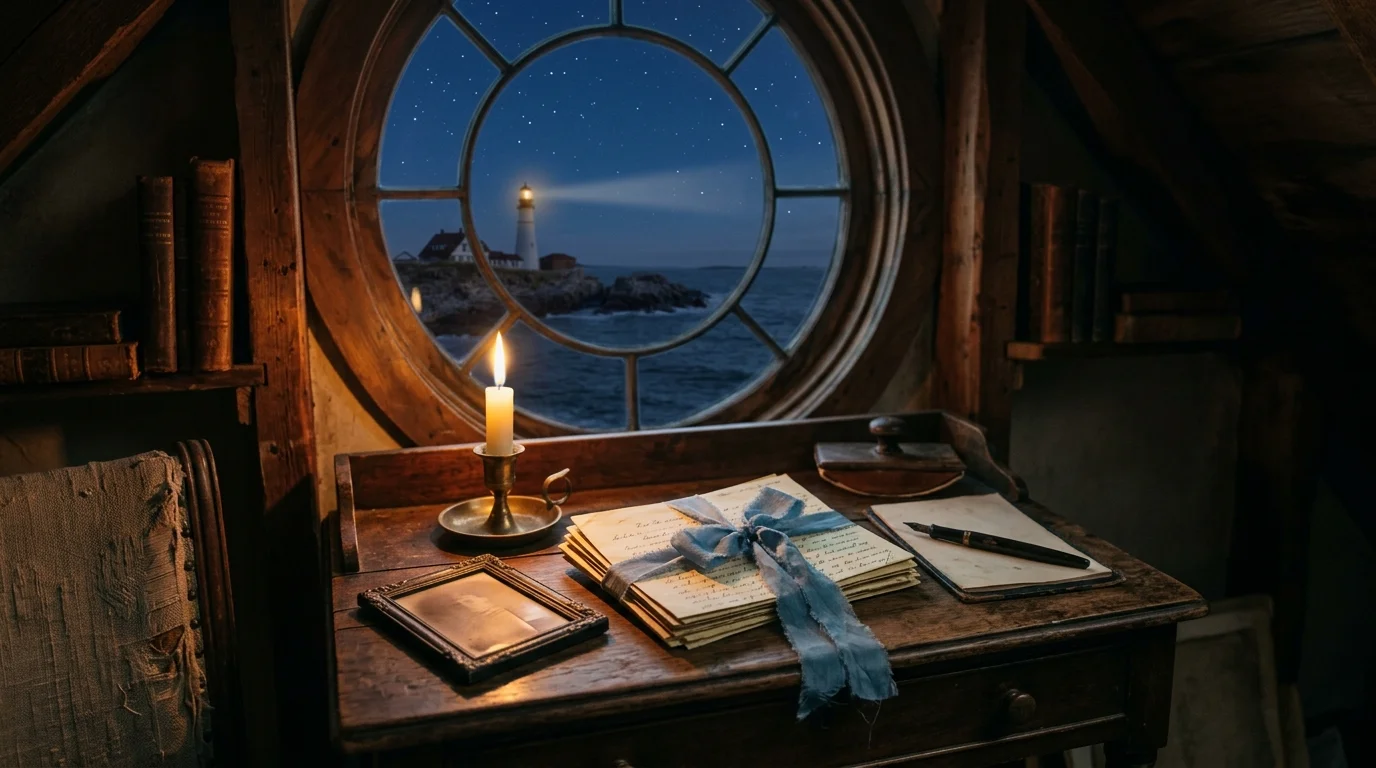
There are two star-crossed couples in this book, a century apart, in the same Maine inn. In the summer of 1915, a guest named Catherine Ashworth fell in love with William Whitmore, whose family owned the Harborview Inn. Her father decided William had nothing to offer, intercepted his letters and married her off to a wealthier man. Their letters stayed hidden in the inn for generations. In the present day, interior designer Elena Reyes arrives to restore the inn and finds the structural architect is Marcus Sullivan, the man she believes left her without a word ten years earlier. He didn’t. Someone they both trusted did to them exactly what Catherine’s father did in 1915. Finding the letters is what makes them refuse to repeat it, and this time the ending is the full happily ever after.
What’s against them: A lie, ten years, and a century-old pattern.
Read this if: you love the star-crossed lovers trope but want the couple to win.
3. The Fault in Our Stars by John Green
Hazel Grace Lancaster is sixteen and living with terminal cancer when she meets Augustus Waters at a support group in Indianapolis. He is funny, earnest and determined to matter, and the two fall in love over a novel neither can stop thinking about, eventually travelling to Amsterdam to find its author. The title turns Shakespeare’s Julius Caesar on its head: the fault really is in their stars, and no amount of courage changes the diagnosis. Green writes it with more humour than you expect, which is exactly why it hurts as much as it does.
What’s against them: Mortality.
Read this if: you want young love written with wit, and a box of tissues within reach.
4. Atonement by Ian McEwan
On the hottest day of the summer of 1935, thirteen-year-old Briony Tallis sees something between her sister Cecilia and Robbie Turner, the cleaning lady’s son, that she is too young to understand. Her mistake, and the accusation that follows, separates the lovers and sends Robbie from a prison cell to the retreat at Dunkirk. McEwan writes the war with the same precision as the country house, and builds a quiet case that a story can be both an apology and a crime. The ending will make you reread everything before it.
What’s against them: One child’s lie, then a world war.
Read this if: you want literary fiction with a love story at its heart and a final turn you will not forget.
5. The Notebook by Nicholas Sparks
In 1932, in New Bern, North Carolina, Noah Calhoun and Allie Nelson spend one summer falling in love. She is from money and he is not, and her family makes sure the summer ends. Fourteen years later Allie is engaged to a lawyer when she sees a newspaper photograph of the house Noah restored, and drives back to see him one more time. Wrapped around their story is an old man reading from a notebook to a woman in a nursing home, and the frame turns a star-crossed summer into a whole life. If this is your corner, our list of books like The Notebook goes deeper.
What’s against them: Class, a disapproving mother, and fourteen years.
Read this if: you want the classic second-chance love story told across a lifetime.
6. The First Time I Met You by Emilly Carter
This is the prequel, and it works like the Prologue to Romeo and Juliet: if you have read The Love I Lost, you already know how this chapter of the story ends. Elena Reyes and Marcus Sullivan meet on campus at twenty. She is still grieving her mother. He is an architecture student who, the night they meet, sketches the floor plan of the coffee shop from memory. There are Friday dinners at a terrible Italian restaurant, a first snow on their bench by the lake, and a December night when Elena says “I love you” first. The book follows them all the way to her twenty-second birthday weekend at a Victorian inn in Maine, and to the moment it falls apart. Knowing what is coming does not make it easier. It makes every happy scene ache.
What’s against them: Timing, and someone close to them.
Read this if: you love first-love stories and want the full weight of what was lost before you read the reunion.
7. Things We Leave Unfinished by Rebecca Yarros
When legendary romance novelist Scarlett Stanton dies, she leaves one manuscript unfinished: the story of her own love affair with an American pilot during the Second World War. Her great-granddaughter Georgia guards her legacy fiercely, and the author hired to finish the book, Noah Morelli, has very different ideas about how it should end. Yarros cuts between wartime England, where Scarlett and Jameson’s love is threatened by every mission, and present-day Colorado, where Georgia and Noah fight over how a love story should end. It is a dual-timeline novel about the stars and the people who write them.
What’s against them: A war in the past, and the fear of a sad ending in the present.
Read this if: you want a WWII love story and a modern one braided together. See more dual timeline romance books here.
8. The Song of Achilles by Madeline Miller
Patroclus is an exiled, unremarkable prince. Achilles is golden, half-divine, and destined to be the greatest warrior of his age. Miller retells the Iliad through the love between them, from boyhood on Mount Pelion to the war at Troy, and the prophecy hanging over Achilles is the stars made literal. You probably know how the myth ends. The genius of the book is that you hope anyway, line by line, all the way down.
What’s against them: Prophecy, a goddess mother, and the Trojan War.
Read this if: you want the most beautiful star-crossed love story of the last twenty years and you already know the ending.
9. The 10 Years We Were Apart by Emilly Carter
This is the book that lives inside the gap. After their relationship ends in silence, Elena and Marcus spend ten years in the same corner of New England without speaking. He calls her forty-seven times. She never knows. Between October and May they almost run into each other eleven times, and as the book puts it, the universe arranges for them to be in the same place at the same time and lets them miss each other every time. On the first Saturday of every month, Marcus drives to the lighthouse at Pemaquid Point and tells no one. Elena builds a career and a life that looks fine from the outside. The final part is told by Dorothy, the innkeeper who saw it all, and the book ends at the threshold of the reunion.
What’s against them: One lie, and a decade of near misses.
Read this if: yearning is your favourite part of any love story, and you want to see what star-crossed looks like from the inside.
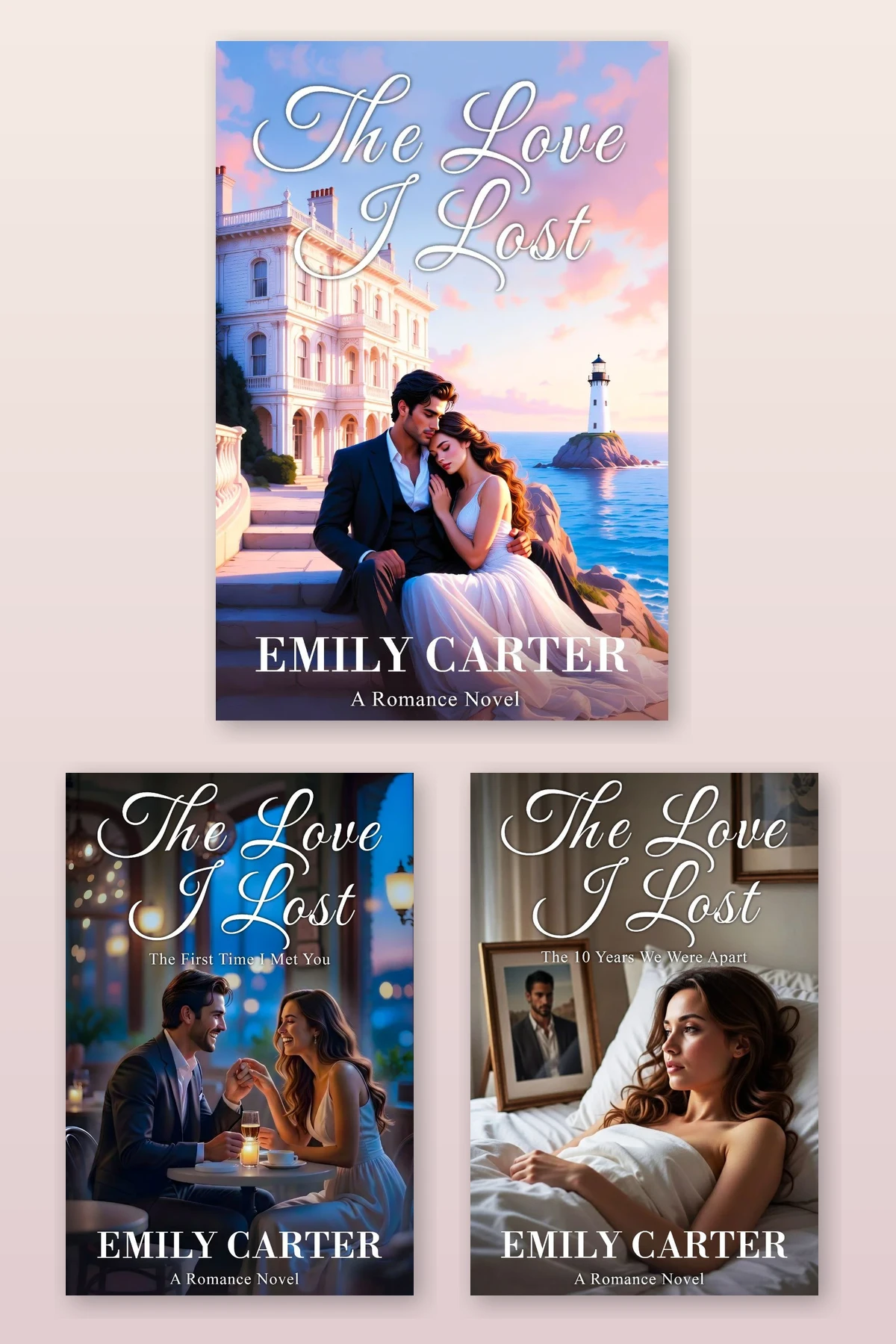
The complete Love I Lost trilogy — available now
10. Red, White & Royal Blue by Casey McQuiston
Alex Claremont-Diaz is the son of the President of the United States. Henry is a prince of England. After a public disaster at a royal wedding, the two are forced into a staged friendship that turns, through midnight emails and stolen weekends, into a secret relationship that could cost both families everything. McQuiston swaps feuding houses for two nations and an election, and lets the couple fight the stars in public. It is funny, swoony and one of the most defiant entries on this list.
What’s against them: Two countries, a crown, and a presidential campaign.
Read this if: you want star-crossed lovers who refuse to stay hidden, and a guaranteed happy ending.
11. One Day by David Nicholls
Emma Morley and Dexter Mayhew spend the night of their university graduation together on July 15th, 1988, and Nicholls checks in on them on that same date every year for twenty years. They are friends, then almost more, then apart, then circling back, and the timing is never right. The structure is the stars: you only ever see one day a year, so every missed chance lands like a slammed door. It is warm and funny for long stretches. It is also not a romance in the genre sense, so go in prepared.
What’s against them: Timing, year after year.
Read this if: you love slow-burn friends-to-lovers stories and want one that will stay with you for weeks.
12. These Violent Delights by Chloe Gong
It is 1926 in Shanghai, and two gangs, the Scarlet Gang and the White Flowers, are fighting for control of the city. Juliette Cai, heir to the Scarlets, and Roma Montagov, heir to the White Flowers, were first loves once, until a betrayal made them enemies. Now a contagion of madness is spreading along the Huangpu River, and the only way to stop it is to work together. Gong’s debut is a Romeo and Juliet retelling that keeps the feud, adds monsters, and makes the city itself a character.
What’s against them: A blood feud, a betrayal, and a city at war with itself.
Read this if: you want the original star-crossed lovers retold with gangsters, a 1920s setting and a fantasy edge.
Why Star-Crossed Love Stories Hit So Hard
Most romance asks whether two people will choose each other. Star-crossed romance asks something harder: what happens when they already have, and it is not enough? The love is settled on page one. The suspense is entirely about the world. That flips the usual tension and makes the reader the couple’s advocate from the start. You are not waiting for them to realise. You are waiting for the universe to let them.
It also explains why the trope survives every generation. The stars change, from feuds to class to war to a phone that keeps going to voicemail, but the feeling does not. Everyone has lost something to timing, or to a decision someone else made for them. Star-crossed stories let us grieve that and, in romance, win it back.
And it pairs naturally with other tropes. Star-crossed plus forbidden romance gives you the feud. Star-crossed plus second chance gives you the years apart. Star-crossed plus dual timeline gives you a past couple who lost, so that a present couple can learn not to.
FAQ
What does star-crossed lovers mean?
Star-crossed lovers are two people who love each other but are kept apart by forces outside their control, such as family, class, war, illness or another person’s interference. The phrase comes from the old belief that the stars governed fate, so a star-crossed couple’s fate seems set against them. It describes the obstacle, not necessarily a tragic ending.
Where does the phrase star-crossed lovers come from?
Its most famous early use is the Prologue to Shakespeare’s Romeo and Juliet, from the mid-1590s, which calls the pair “star-cross’d lovers.” The idea is much older, going back to Ovid’s Pyramus and Thisbe and the medieval story of Tristan and Isolde.
Do star-crossed lovers always die?
No. In Shakespeare they do, and in many classics the ending is tragic. In romance novels, the star-crossed lovers trope keeps the obstacle and changes the outcome, so the couple ends up together. The Love I Lost by Emilly Carter shows both versions in one book: a couple from 1915 who never reunite, and a modern couple who refuse to repeat their mistake.
Is star-crossed lovers a romance trope?
Yes. It is one of the oldest romance tropes, and it often overlaps with forbidden love, enemies to lovers, second chance and dual timeline romance. What defines it is that both people want the relationship and something outside them stands in the way.
What are the best star-crossed lovers books with a happy ending?
Red, White & Royal Blue by Casey McQuiston, The Notebook by Nicholas Sparks, and The Love I Lost by Emilly Carter all put a star-crossed couple through serious obstacles and land a happy ending. For the full story, Carter’s trilogy can be read in story order: The First Time I Met You, The 10 Years We Were Apart, then The Love I Lost.
You Might Also Love
Where to Start
If you want star-crossed lovers who get the ending Catherine and William never did, the full Love I Lost trilogy is available now at the Emilly Carter shop.
Emilly Carter is the author of The Love I Lost trilogy, available now.