There are two kinds of readers looking for sad romance books, and most lists serve only one of them. Some people want to be gutted and left that way. Others want to cry for four hundred pages and then be handed something to hold on to. Both are on this list, and every entry says which one it is, because there is nothing worse than opening what you think is a love story and discovering on page 380 that it was never going to end well. Twelve books, ranked loosely by how much damage they do.
1. Me Before You by Jojo Moyes
The one everybody names, and it earns it. Louisa Clark loses her job in a small English town and takes work as a caregiver for Will Traynor, a former banker left quadriplegic after a motorcycle accident, who is sarcastic, furious and has already made a decision about his own ending. Lou spends six months trying to show him a reason to stay. Moyes refuses to make it simple, which is why the book still generates arguments a decade later. It is not sad because something tragic happens to good people. It is sad because two people love each other and still cannot agree on what love requires.
Read this if: you want the definitive one, and you are prepared for it to not go your way.
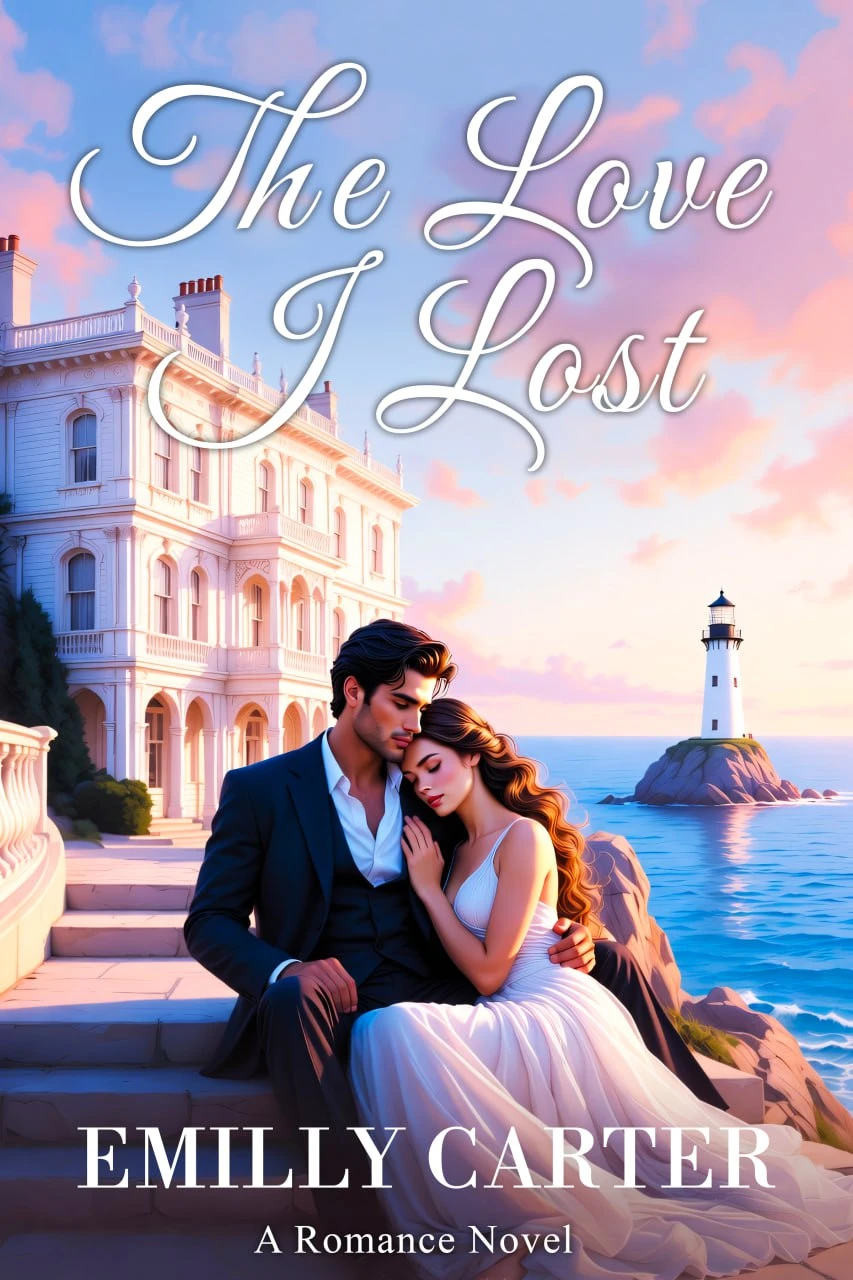
2. The Love I Lost by Emilly Carter
Elena Reyes takes a restoration contract on a crumbling Victorian inn on the Maine coast and finds Marcus Sullivan already working there, the man she loved at nineteen and spent ten years believing had walked out without a word. He did not. Their ending was engineered by someone they both trusted, and neither of them knew until now. What makes this one hurt is not the reveal, it is the arithmetic afterward: the birthdays, the winters, the person each of them became inside a lie. Carter writes grief for a life that was available and got taken, which is a specific kind of sad most romance avoids. The difference from the books above it here is that she lets them have the rest of it.
Read this if: you want to cry about the years, not a deathbed, and you want the ending to hold.
3. The Song of Achilles by Madeline Miller
Patroclus, an exiled and unremarkable prince, is sent to the court of Phthia and falls in love with Achilles, the golden boy everyone already knows will be the greatest warrior of his generation. You know how the Iliad goes. Miller makes you watch it anyway, slowly, through ten years of tenderness before Troy. The prose is gorgeous and the dread is constant, and the final forty pages are responsible for more sobbing than almost any book of the last fifteen years. There is no version of this story where it works out, and Miller never pretends otherwise.
Read this if: you want the most beautiful writing on this list attached to the most certain heartbreak.
4. The Time Traveler’s Wife by Audrey Niffenegger
Henry DeTamble has a genetic disorder that pulls him out of the present without warning, dropping him naked into other years of his own life. Clare Abshire first meets him when she is six and he is forty-three, and marries him when he is twenty-eight and has never seen her before. The structure is the tragedy: Clare spends her whole life waiting, and Henry spends his knowing things he cannot change. The miscarriage chapters are brutal, and the ending is a long slow act of patience that readers either find transcendent or unbearable.
Read this if: you want a love story where the sadness is structural rather than an event.
5. The Light We Lost by Jill Santopolo
Lucy and Gabe meet at Columbia on September 11th, 2001, and the day marks everything that follows. He leaves to photograph war. She stays, builds a career, marries a good man. The book spans thirteen years and is written as a letter addressed to Gabe, so from the first page you know you are reading something written to someone who cannot answer. Santopolo is unsparing about the specific cruelty of loving the right person at a time that makes it impossible. It is short, it is fast, and it ends exactly the way you have been dreading since chapter two.
Read this if: you want the road-not-taken version of sad, no illness, just two lives that did not line up.
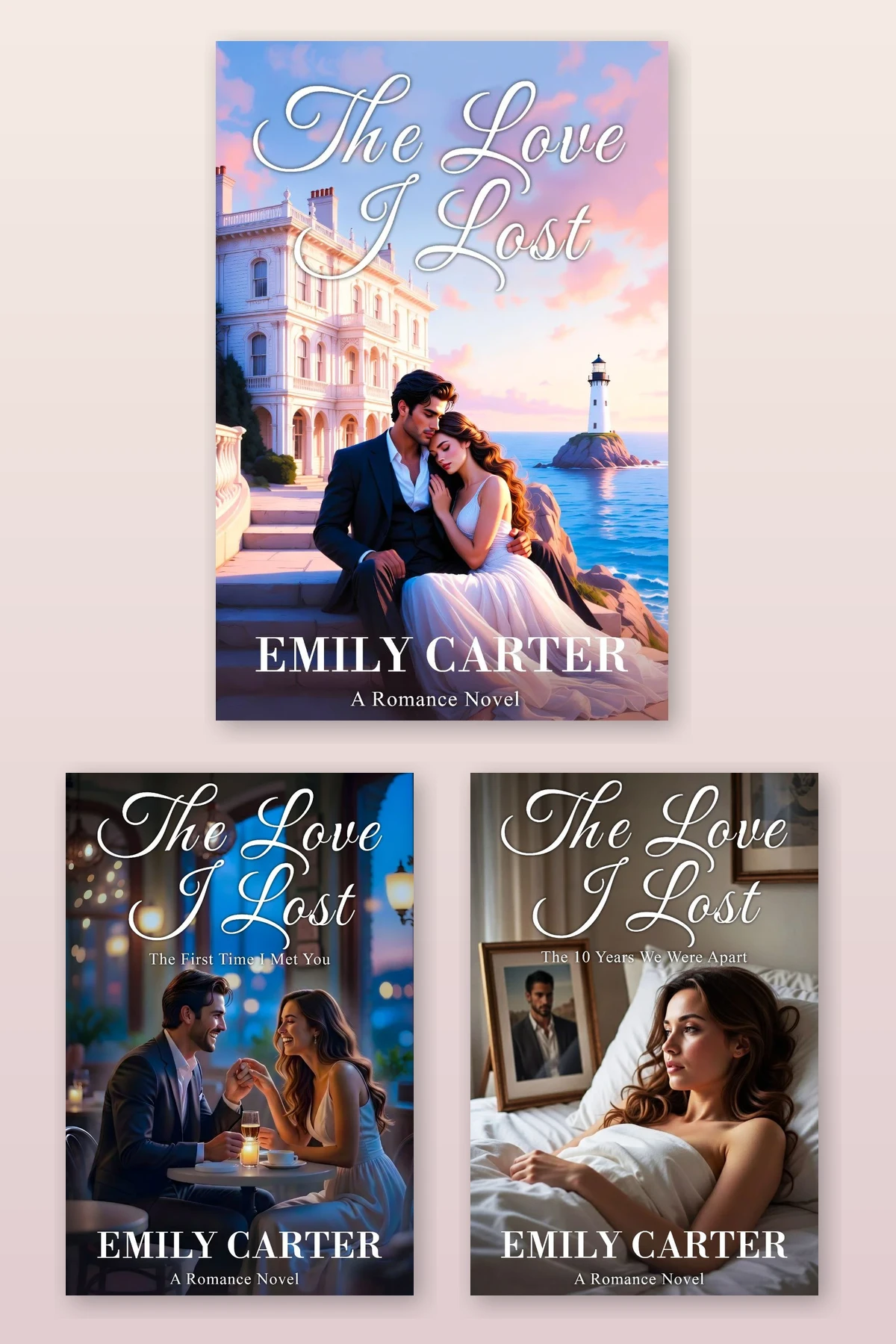
6. The First Time I Met You by Emilly Carter
If the part of book one that stayed with you was everything that happened before, this is that entire story. Carter goes back to Elena and Marcus at nineteen and lets the friendship tip over into something else the way it actually does, one conversation at a time, one missed chance at a time. Reading it is a strange and specific kind of ache, because you already know precisely how much of this they are going to lose and they do not. Every good scene carries a weight it has not earned yet. It is the gentlest book in the trilogy and somehow the one that does the most damage, because you spend three hundred pages watching two happy people build the thing that gets taken from them.
Read this if: you like being the only person in the room who knows what is coming.
7. One Day by David Nicholls
Emma Morley and Dexter Mayhew sleep together the night they graduate in 1988, and Nicholls returns to them on the same date, the fifteenth of July, every year for twenty years. Some years they are in love. Some years they are barely speaking. Emma is broke and funny and stuck, Dexter is beautiful and coasting and slowly wasting himself, and the book is at least half a comedy right up until it very abruptly is not. The turn, when it comes, is one of the cruellest things a novelist has done to readers on purpose, and it works because you have spent two decades with these people.
Read this if: you want to be laughing when it happens.
8. Reminders of Him by Colleen Hoover
Kenna Rowan serves five years for the accident that killed her boyfriend Scotty, and comes back to town to meet the four-year-old daughter she gave birth to in prison. Everyone who loved Scotty stands between her and that child, including his parents, who are raising Diem. Then there is Ledger Ward, Scotty’s best friend, who owns the bar and is the one person who cannot be seen near her. This is Hoover writing grief rather than drama, and it is the strongest thing she has done. Unlike most of the books on this list, it is building toward repair rather than loss.
Read this if: you want to cry hard and still be given something at the end.
9. The 10 Years We Were Apart by Emilly Carter
The trilogy lands here, and this is where Carter cashes in everything the first two books spent. Elena and Marcus have the truth now. What they do not have is the decade, and the last book is honest enough to admit that no reconciliation gives it back. There is a conversation roughly two thirds of the way in, about the ordinary things they missed rather than the dramatic ones, that does more emotional damage than most death scenes. The ending is earned rather than gifted, which is the entire argument for reading sad romance novels that still choose to end well. You do not get the ten years. You get everything after them.
Read this if: you need the tears to add up to something.
The complete Love I Lost trilogy — available now
10. Things We Leave Unfinished by Rebecca Yarros
Georgia Stanton inherits her great-grandmother Scarlett’s Colorado house and the unfinished manuscript of her final novel, and a publisher sends Noah Harrison, a bestselling author famous for sad endings, to complete it. The book alternates between Georgia and Noah in the present and Scarlett’s wartime romance with a pilot in the 1940s, told partly through letters. The historical thread is where the devastation lives, and Yarros structures the whole novel around the question of whether an ending can be rewritten or only accepted. For anyone who loves the letters-found-decades-later device, this is the best version of it.
Read this if: you want two timelines and an eighty-year-old heartbreak delivered through correspondence.
11. A Walk to Remember by Nicholas Sparks
Beaufort, North Carolina, 1958. Landon Carter is a coasting seventeen-year-old who needs a partner for the school play and ends up with Jamie Sullivan, the minister’s daughter who carries a Bible everywhere and is the least cool person in town. What happens to them is not a twist, it is announced early, and the book is about the fact that he chooses her anyway. It is short, plain and completely unembarrassed about its sentiment. Sparks is also considerably more ambiguous at the close than the film was, and the ambiguity somehow makes it land harder.
Read this if: you want the classic teenage tearjerker that started a thousand others.
12. Every Summer After by Carley Fortune
Six summers at a lake in Barry’s Bay, Ontario, where Persephone Fraser falls in love with Sam Florek at the cottage next door, and then one night ends all of it. Twelve years later she drives back for a funeral and has to stand in front of him. Fortune cuts between then and now, so every warm scene from the past is immediately undercut by two people who can barely speak in the present. This is the gentlest entry, more longing than grief, and it is the right pick if the last few titles have left you needing something with a floor under it.
Read this if: you want the sadness to be about lost time and to end somewhere kind.
What Makes Sad Romance Books So Addictive?
The honest answer is that sadness is the only reliable proof that a book meant something. A romance that ends easily can be enjoyable and still slide out of your head by the weekend. A romance that costs something stays, because the ending forced you to actually value what was at stake. Readers who hunt for tragic romance books are not looking for misery, they are looking for a story that takes the relationship seriously enough to put it at risk. Crying is the receipt.
There is also the safety of it. Grief in real life arrives unannounced and has no shape. Grief inside four hundred pages has a beginning, a structure and a last page, which means you can feel the full size of it and then close the cover. That is why so many people go looking for books that will make you cry during weeks when nothing in particular is wrong. It is not masochism. It is a controlled dose of something we otherwise have no permission to feel.
The distinction worth making, and the one most lists skip, is between books that end in loss and books that hurt on the way to something better. Me Before You and The Song of Achilles are the first kind. Reminders of Him and the Love I Lost trilogy are the second, where the sadness is about years already gone rather than a person about to be, and the ending repairs what it can. Both belong on any list of the saddest romance books, but going in blind is how a reader ends up wrecked at midnight on a work night. Emotional romance books are worth choosing deliberately.
Frequently Asked Questions
What is the saddest romance book ever written?
By reader consensus it is Me Before You by Jojo Moyes, with The Song of Achilles a very close second and gaining fast with younger readers. If you want the saddest romance books that are not about illness or war, The Light We Lost and One Day are the two that do the most damage with nothing but bad timing.
Do sad romance books always have tragic endings?
No, and the difference matters. Plenty of books that make readers sob end with the couple together, including Reminders of Him, Every Summer After and the Love I Lost trilogy. In those the grief is about time already lost rather than a death still coming. Every entry above is labeled so you can choose which experience you are in the mood for.
What romance novels will actually make me cry?
The reliable criers on this list are Me Before You, The Song of Achilles, One Day, The Light We Lost and A Walk to Remember. If you rarely cry at books, start with One Day, because the comedy lowers your guard first. If you cry easily, the second-chance titles give you the release without leaving you stranded.
What is the difference between sad romance and angsty romance?
Angst is tension during the story, the yearning, the obstacles, the not-yet. Sad is the cost, and it usually arrives at the end. Angsty books can finish joyfully and most of them do. If you want the ache without the loss, start with angsty romance books instead. If you want both, the second-chance titles here run angst through the middle and grief underneath it.
Are there sad love books that are not about someone dying?
Yes, and they are often worse. One Day, The Light We Lost and Every Summer After are all built on timing rather than tragedy, and The Love I Lost turns on a lie that quietly costs two people a decade. Books about lost love tend to linger longer than deathbed stories, because the reader can imagine the version where it went differently.
You Might Also Love
- Angsty Romance Books
- Best Second Chance Romance Books
- Books Like Nicholas Sparks
- Books Like Normal People
- What Does HEA Mean in Books
- Star-Crossed Lovers Meaning
If you want the kind of sad that eventually puts you back together, the Love I Lost trilogy is three books about a decade two people did not choose to lose and what they do with what is left. Start the trilogy here.
Emilly Carter is the author of The Love I Lost trilogy, available now.