
Every other romance trope gets to start from zero. Strangers meet, enemies clash, a fake relationship gets negotiated, and the story builds a connection from nothing while the reader watches. Friends to lovers does the opposite. The connection is already there on page one, fully built, years deep, and the entire book is about whether two people are willing to risk it. That is a fundamentally different kind of tension, and it is why this trope produces the most agonizing pining in the genre.
This guide covers what the friends to lovers trope actually means, the psychology of why it works, the different shapes it takes, how it differs from the tropes it gets confused with, and twelve books that use it best.
What Is the Friends to Lovers Trope?
The friends to lovers trope is when two characters who already have an established, genuinely platonic relationship fall in love with each other. The key word is established. These two have history: inside jokes, a shared group of people, a working knowledge of each other’s worst days. The romance does not create the intimacy. It reclassifies intimacy that was already there.
That reclassification is the whole plot. In a strangers-to-lovers book, the risk of a failed romance is a few awkward weeks. In friends to lovers romance, the risk is everything the two of them have already built. Say it out loud and get it wrong, and you do not just lose a potential relationship. You lose your person, your default text, the one who knows your mother’s name and your coffee order and why you do not talk about that one year. That asymmetry between what there is to gain and what there is to lose is the engine of every book in this category.
So the one-sentence version: friends to lovers is a romance where the leads have more to lose than to gain by admitting how they feel, and the book is the story of them deciding the risk is worth taking anyway.
What Makes Friends to Lovers Romance So Addictive?
The first reason is dramatic irony, weaponized. Because these two already spend real time together, the story is packed with moments where a reader can see exactly what is happening and the characters cannot. He carries her bag without being asked. She saves him the last of something. Neither notices. The reader notices every single time. Few other tropes let an author load that much meaning into behavior that both leads have explicitly agreed means nothing.
The second reason is the quality of the evidence. A love story between strangers has to convince you the couple belongs together in a few hundred pages, usually through chemistry and circumstance. Friends to lovers books arrive with the case already made. By the time anyone confesses anything, the reader has watched years of proof: he showed up at the hospital, she remembered the anniversary of the bad thing, they have already survived the exact kind of hard week that ends most relationships. When the confession finally comes, it does not feel like a beginning. It feels like a verdict.
The third reason sits underneath the other two, and it is why the pining in this trope hurts specifically. Being loved by a friend is proof you are wanted at your most unperformed. There was no first-date version of you, no best behavior, no curated anything. They saw the whole unedited thing for years and chose it anyway. That is the deepest fantasy the friends to lovers trope sells, and it is also exactly why the characters stall for four hundred pages. Confessing means finding out whether the person with the most complete picture of you actually wants it. Nobody rushes toward that answer.
The Subtypes of Friends to Lovers Romance
The starting position is always the same. What changes is how the friendship was built, and what finally breaks it open.
Childhood friends to lovers. The history predates any possibility of romance, usually starting somewhere between ages ten and sixteen. These books lean heavily on then-and-now structures, because the past is not backstory here. It is the other half of the plot, and the summers or school years the couple shared are shown rather than summarized.
The long pine. One character has known for years and said nothing, choosing the friendship over the confession every time. The tension is almost entirely internal, and the book lives or dies on how convincingly it explains why this person keeps swallowing it.
Friends to lovers with a rupture. The friendship breaks. Someone moves, someone says the wrong thing, someone gets married, and there are years of silence before the reunion. This is the subtype that overlaps most heavily with second chance romance, and the two combine so naturally that many of the genre’s best-loved books are honestly both.
Friends first, then benefits. The physical line gets crossed before the emotional one gets named, usually under an agreement that this changes nothing. It changes everything. This subtype delivers the fastest heat while keeping the confession just as far away.
Friendship built in writing. Letters, emails, late-night texts. The intimacy arrives before the proximity does, and both characters end up knowing a version of each other that nobody else has access to. It is the most modern-feeling subtype and also the oldest, since people have been falling in love by correspondence for as long as there has been correspondence.
Friends to Lovers vs Other Tropes
Friends to lovers gets used interchangeably with slow burn, and they are not the same thing. Slow burn describes pace, how long the book takes to get the couple together. Friends to lovers describes the starting position. Most friends to lovers books are slow burns, because the relationship has inertia to overcome and neither lead wants to be first. But a strangers-to-lovers book can be an equally slow burn, and a friends to lovers book can detonate in chapter three and spend the rest of its length on the fallout. One is a clock. The other is a starting line.
The overlap with second chance romance is closer, and worth being precise about. Second chance requires a prior romantic relationship that ended. Friends to lovers requires a prior non-romantic one that did not. A book that has both, where two people were friends, then together, then separated, then reunited, is running two engines at once, and that combination is responsible for a large share of the genre’s most devastating reunions.
Then there is enemies to lovers, which looks like the opposite and is structurally the same move. Both tropes take an existing relationship with a defined category, hostility in one case and affection in the other, and force it to become something else. The difference is what the characters are protecting. Enemies to lovers characters are protecting their pride. Friends to lovers characters are protecting the friendship itself, which is a much better reason to stay silent and makes the standoff last considerably longer.
Finally, friends to lovers pairs constantly with forced proximity, because the fastest way to break a stalemate two people have maintained for years is to remove their ability to go home and avoid each other.
The Best Friends to Lovers Romance Books to Start With
Twelve books that use the friends to lovers trope in genuinely different ways, from a two-hundred-year-old original to a friendship conducted entirely by email. If you want a pure recommendation list rather than a guide, the site has a longer one at friends to lovers romance books.
1. Emma by Jane Austen
The trope did not start on BookTok. Emma Woodhouse and Mr. Knightley have known each other her entire life, since his brother married her sister, and he is the only person in Highbury who tells her the truth about herself. He scolds her, he shows up, he is furious with her for the right reasons, and it takes Emma most of the novel to work out that the man who has been correcting her since childhood is the one she cannot stand to lose. Austen wrote the blueprint in 1815: the person who knows you best, the confession that arrives only when losing them becomes real.
Read this if: you want to see the trope in its original form, and understand why every version since is doing a variation on it.
2. The Love I Lost by Emilly Carter
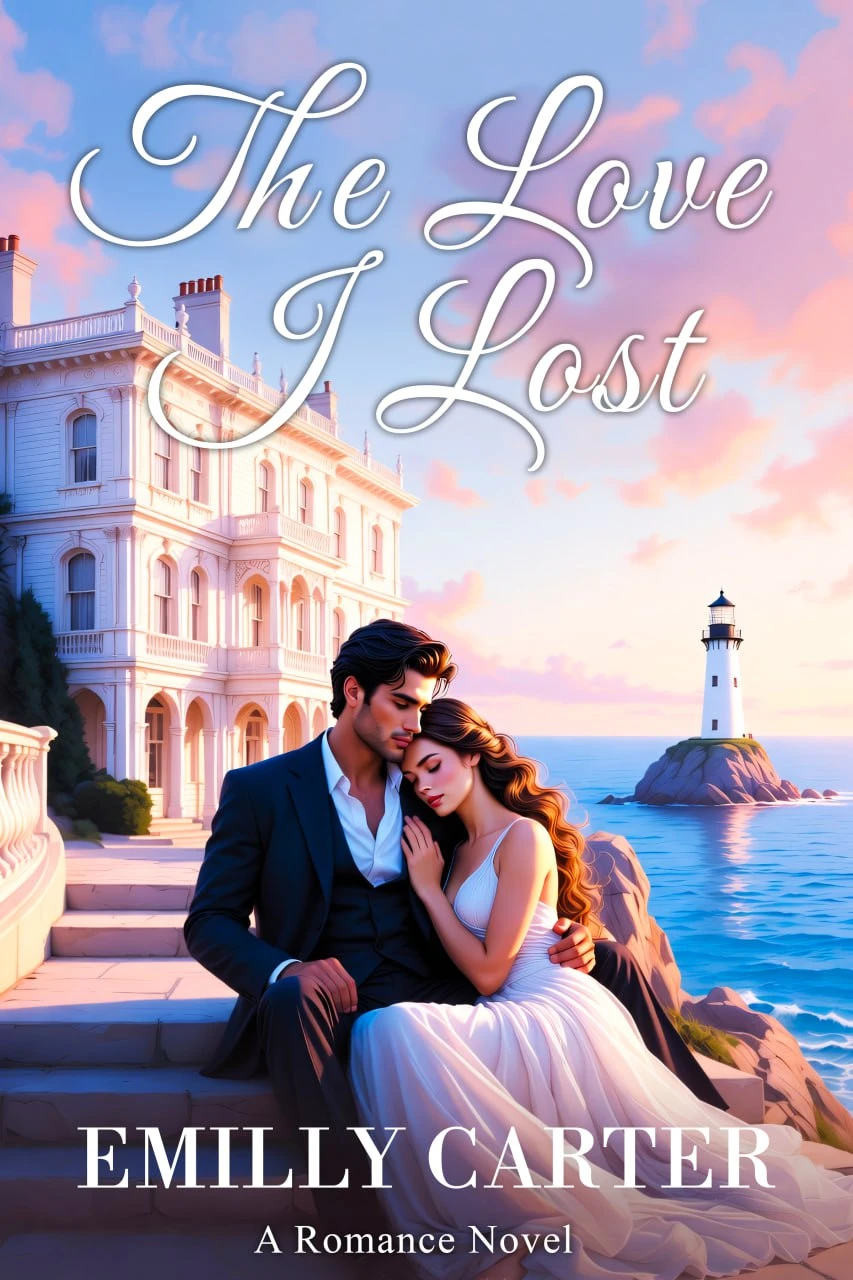
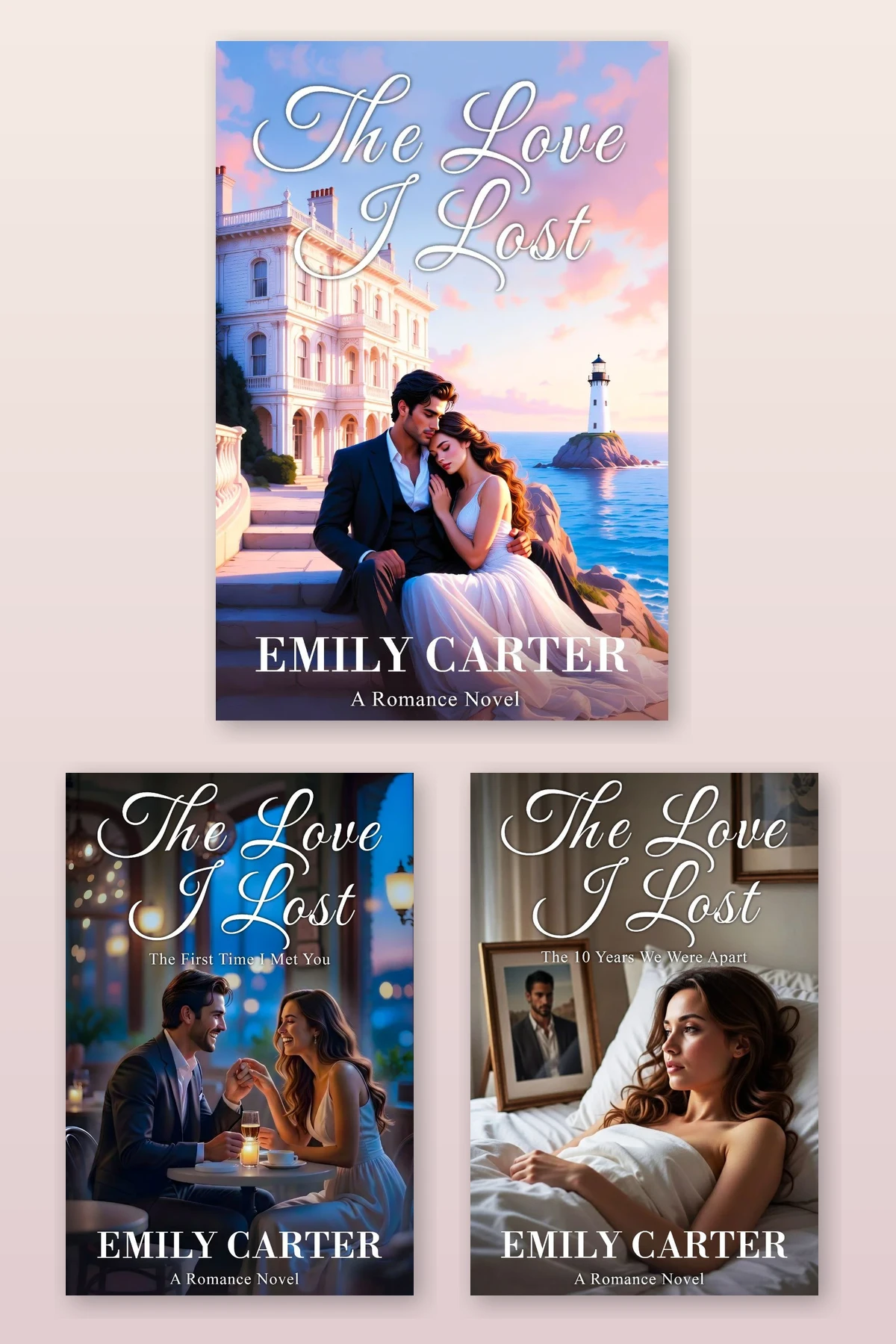
Elena Reyes and Marcus Sullivan were friends before they were anything else. They built the private version first, the one where you know someone’s family history and the exact sound of their laugh before you ever think about kissing them, and that foundation is why the pull survives ten years of silence after a betrayal neither of them knew was manufactured. When Elena takes on the restoration of a crumbling Victorian inn on the Maine coast, she finds Marcus is the architect on the same project, hired by an innkeeper who neglected to mention she was arranging a reunion. They are not starting from a spark. They are standing on top of a friendship that already proved it could hold a life, pretending the ground is not there. Then a storm traps them in the inn for three days, and pretending stops being an option.
Read this if: you want the friends to lovers foundation with a second chance reunion built on top of it.
3. The Cheat Sheet by Sarah Adams
Bree Camden has been in love with her best friend since before he was famous, which is inconvenient now that Nathan Donelson is a professional quarterback with a publicist and a photographer following him around. She has spent a decade deciding, over and over, that keeping him matters more than telling him. Her friends disagree and produce an actual list of tactics to make him notice her. What makes this one land is that both leads have been quietly protecting the same secret for the same reason, and the reader gets to watch two people be heroically stupid in perfect symmetry.
Read this if: you want the long pine at its most excruciating, with both sides pining and neither one noticing.
4. Love and Other Words by Christina Lauren
Macy Sorensen was eleven when she met Elliot Petropoulos in a closet full of books at her father’s weekend cabin, and for six years the two of them built a friendship out of reading side by side and talking about everything else. Then something happened, and eleven years of silence followed. The novel alternates between Then and Now, so the reader watches the friendship form and the reunion happen at the same time, which means every tentative present-day conversation lands with the full weight of what the past chapters just showed you. It is the definitive childhood friends to lovers book for a reason.
Read this if: you want the then-and-now structure that makes a childhood friendship hurt twice.
5. The Friend Zone by Abby Jimenez
Kristen Petersen and Josh Copeland meet through a wedding party and become the kind of friends who text constantly, which is a problem, because he is falling in love with her and she has a medical diagnosis she is convinced disqualifies her from the future he wants. Jimenez writes comedy and genuine grief in the same paragraph without either one undercutting the other, and the reason this book is so widely recommended is that the obstacle keeping the leads apart is real rather than a misunderstanding a single conversation would fix.
Read this if: you want friends to lovers with a real, painful obstacle underneath the banter.
6. The First Time I Met You by Emilly Carter
Before the storm, before the decade of silence, there was a college quad and a spilled coffee. This prequel is the friendship itself, shown rather than referenced: the study sessions that ran too long, the late-night conversations neither of them wanted to end, the slow accumulation of a person becoming your default, the night Marcus almost asked a question that would have changed everything. It also shows exactly how a friendship that solid got taken apart, by someone they both trusted, in a way that left each of them believing the other had simply stopped caring. If the trope’s appeal is watching two people become each other’s whole world before anyone names it, this is that book without the ten years of wreckage attached.
Read this if: you want the pure version of the trope, the friendship forming, before any of it goes wrong.
7. Him by Sarina Bowen and Elle Kennedy
Jamie Canning and Ryan Wesley spent every summer of their teens as inseparable hockey camp best friends, until one night at seventeen ended it and four years of silence followed. Now they are back at the same camp as coaches, sharing a cabin, with one of them still carrying exactly what he was carrying then. The book is smart about the specific grief of losing a friend you never got to explain yourself to, and the forced proximity of camp gives the reunion nowhere to hide.
Read this if: you want the rupture-and-reunion version with real ache and real heat.
8. Every Summer After by Carley Fortune
Percy Fraser met Sam Florek the summer she was thirteen, at a lake in small-town Ontario, and for six summers the two of them were each other’s entire warm season. Then twelve years of nothing, until a phone call about his mother brings her back to Barry’s Bay for a weekend. Fortune alternates the six summers with the present-day weekend, and the structure is doing real work, because the reader learns what broke it at exactly the pace Percy is forced to face it. It is the most atmospheric book on this list and the one most likely to make you miss a place you have never been.
Read this if: you want a lakeside childhood friendship, a slow reveal, and a summer setting you can feel.
9. The 10 Years We Were Apart by Emilly Carter
The trilogy’s finale asks the question the first two books were building toward: once the truth about the lost decade is finally on the table, can two people who were friends first actually go back to being fully open with each other, or has a man built entirely around composure forgotten how. The unsent 1915 letters found in the inn’s attic run alongside their story as a quiet argument about what silence costs, one couple who never got the chance to speak and one who had ten years of chances and used none of them. For a trope built on things left unsaid, that parallel is the point.
Read this if: you want the payoff, and the argument for why saying it out loud was always worth the risk.
The complete Love I Lost trilogy, available now
10. People We Meet on Vacation by Emily Henry
Poppy and Alex have almost nothing in common and have taken one trip together every summer for a decade anyway, ever since a shared ride home from college turned two opposites into best friends. Then a trip to Croatia ended it, and they have not spoken in two years. Henry alternates every past summer with the present-day week Poppy has engineered to win him back, which means the reader is watching the friendship build and almost end simultaneously. Nobody writes the specific texture of a long friendship better, the shorthand, the rituals, the one topic they both route around.
Read this if: you want a decade of best-friendship rendered in detail, then put at risk.
11. Attachments by Rainbow Rowell
This one sits at the edge of the trope, and it earns its place by testing where the edge is. Lincoln works overnight IT security at a newspaper in 1999, flagging employee emails, and gets pulled into the running conversation between two coworkers he has never met. He falls for Beth entirely through her writing, knowing everything about her while she does not know he exists. It is not a mutual friendship, and the book knows that is a problem, which is exactly why it is worth reading in a guide like this one: it isolates the ingredient friends to lovers actually runs on, the intimacy of knowing someone completely, and asks whether that alone is enough.
Read this if: you want the friendship-built-in-writing subtype, and a book honest about the ethics of it.
12. Josh and Hazel’s Guide to Not Dating by Christina Lauren
Josh Im and Hazel Bradford met in college, where she made a catastrophic first impression, and reconnect a decade later when Hazel turns out to be teaching at his sister’s school. They become genuinely, uncomplicatedly platonic friends, which they demonstrate by setting each other up on a series of increasingly disastrous double blind dates. The double-date structure is the joke and the mechanism at once, since every terrible match is another data point that the person sitting across the table watching it happen is the right one.
Read this if: you want the trope played for comedy, with the feelings arriving as a punchline neither of them saw coming.
Frequently Asked Questions
What is the friends to lovers trope in romance?
The friends to lovers trope is when two characters with an established platonic relationship fall in love. The intimacy already exists, so the conflict is not building a connection but risking one. Because the friendship is the thing at stake, these books produce longer stalemates and more internal pining than tropes that start from zero.
What is the difference between friends to lovers and slow burn?
Slow burn describes pace, how long a book takes to get the couple together. Friends to lovers describes the starting position, an existing platonic relationship. Most friends to lovers books are slow burns because neither lead wants to risk the friendship first, but a strangers-to-lovers book can burn just as slowly, and the two terms are not interchangeable.
Can a book be friends to lovers and second chance at once?
Yes, and the combination is one of the genre’s most reliable. Second chance requires a prior romantic relationship that ended, friends to lovers a prior platonic one. When a couple was friends, then together, then separated, both engines run at the same time. The Love I Lost is built on exactly that overlap, a college friendship, a manufactured breakup, and a reunion ten years later.
What are the best childhood friends to lovers books?
Love and Other Words, Every Summer After, and Emma are the strongest entry points, since all three show the friendship forming rather than summarizing it. Childhood friends to lovers books usually run on a then-and-now structure, alternating past and present, so the reunion carries the full weight of everything the past chapters just built.
Why is friends to lovers such a popular romance trope?
Because it sells the deepest version of being chosen. There is no first-date performance, no curated best behavior. The other person saw the whole unedited thing for years and wanted it anyway. That is a more reassuring fantasy than instant attraction, and it is why readers keep returning to friends to lovers romance for a love story that feels earned instead of accidental.
You Might Also Love
- Friends to Lovers Romance Books
- Friends to Lovers Books
- What Is Slow Burn Romance?
- Romance Tropes Every Reader Should Know
- Best Enemies to Lovers Books
Ready to start? The Love I Lost trilogy is friends to lovers and second chance at once, from the college friendship that started it to the storm-bound reunion ten years later.
Emilly Carter is the author of The Love I Lost trilogy, available now.