Slow burn romance is the trope readers complain about and can’t stop buying. You’ll see the one-star reviews: “Nothing happens until page 300.” You’ll also see those same readers pre-ordering the sequel. That contradiction is the whole point. The slow burn isn’t a flaw in the pacing. It is the pacing, built on purpose to make the payoff unbearable in the best way.
This guide breaks down what slow burn romance actually means, why the wait works better than instant chemistry, how to tell a real slow burn from a book that’s just slow, and the novels that do it best.
What Is Slow Burn Romance?
Slow burn romance is a subgenre, and often a structural choice within any subgenre, where the central couple’s attraction develops gradually over the course of the story instead of igniting immediately. The tension isn’t “will they meet” or “will they fall for each other eventually.” It’s “how long can two people who clearly want each other keep pretending they don’t.”
The term comes from the idea of a fire that catches slowly and burns longer because of it, and that’s the whole slow burn romance meaning in one image. In romance, that means delayed physical intimacy, delayed confession of feelings, or both. What replaces the instant spark is a long runway of charged glances, near-misses, arguments that are really about something else, and the specific torture of two people who are obviously into each other and refuse to say so.
Slow burn isn’t the same as “nothing happens.” The best examples are dense with tension every chapter. What’s absent is resolution. The kiss, the confession, the first night together, all of it is withheld and earned instead of given upfront.
Why Slow Burn Romance Hits So Hard
The appeal of slow burn romance comes down to anticipation being a stronger drug than payoff. Psychologically, wanting something you don’t yet have activates more than getting it does. A slow burn keeps readers in that wanting state for hundreds of pages, which is exactly why the eventual kiss lands like a gut punch instead of a shrug.
There’s also the trust-building angle. In instalove, chemistry does the work. In slow burn, the characters have to actually get to know each other first, which means readers do too. By the time the couple finally acts on what’s between them, the reader has watched enough small moments, the terrible joke that only they laugh at, the coat offered in the cold, the argument neither will apologize for first, that the romance feels earned rather than assumed. It’s the difference between being told two people belong together and being shown it, scene by scene, until you believe it more than the characters do.
Slow burn also rewards a specific kind of reading pleasure: re-reading. Readers who love the trope often go back and reread the first half once they know how it ends, catching every moment of restrained longing they missed the first time. Few tropes reward a second read the way slow burn does.
The Hallmarks of a Great Slow Burn
Not every book that takes its time qualifies. The slow burns readers actually finish and recommend share a few key ingredients.
Mutual awareness from early on. A real slow burn isn’t one-sided pining stretched out for no reason. Both people notice each other early, and both spend the book fighting it, denying it, or circling it. If only one character has feelings for most of the book, that’s unrequited longing, not slow burn.
Escalating small moments, not stalling. The best slow burns build. A hand brushing against a hand becomes a hand held under a table becomes an almost-kiss interrupted, each beat slightly more charged than the last. If the tension is flat from chapter one to chapter twenty, that’s just a slow book, not a slow burn.
A reason they can’t just say it. Something has to be in the way, a rule against it, bad timing, a betrayal neither will admit to, a friendship neither wants to risk. Forced proximity is the classic engine here: a shared job, a small town, a house they both have to live in, anything that keeps them close enough to feel the tension but too complicated to act on it.
A payoff that justifies the wait. This is where slow burn lives or dies. The confession, the first kiss, the moment they finally stop pretending, has to deliver on everything the book built up. A rushed or underwritten payoff after 300 pages of tension is the single most common complaint in reader reviews, and it’s the difference between a book people reread and a book people feel cheated by.
Slow Burn vs Other Tropes
It helps to know where slow burn sits next to the tropes it’s often confused with. Instalove is its direct opposite: two characters feel an immediate, undeniable pull and act on it fast. Slow burn is instalove’s patient cousin, all the chemistry, none of the speed.
Enemies to lovers and friends to lovers describe where the characters start. Slow burn describes how fast they get from there to together. That’s why a slow burn can be built on top of either one. Two enemies can slow-burn their way to love over an entire book, and so can two best friends who’ve been circling the obvious for years. And unlike second chance romance, which is about rebuilding something that already broke, slow burn is usually about something that hasn’t started yet, which is exactly why the two pair so well when a book uses both, a reunited couple who have to slow-walk their way back to trust before they can fall again.
The Best Slow Burn Romance Books to Start With
Ready to test your patience? Here are twelve novels that prove the wait is worth it, from the trope’s most famous classic to the modern books readers are still talking about. For an even deeper list, see our full roundup of the best slow burn romance books.
1. Pride and Prejudice by Jane Austen
The original slow burn, and still the one every modern version gets compared to. Elizabeth Bennet and Mr. Darcy spend most of the novel actively disliking each other, which is what makes the slow, grudging shift so satisfying to watch. Every charged exchange reads as an argument on the surface and something else underneath. By the time Darcy’s letter arrives and everything reframes, readers have been trained to want this exact outcome for hundreds of pages. If you want to understand where the whole trope comes from, start here.
Read this if: you love wit, pride, and a slow thaw between two people too stubborn to admit anything.
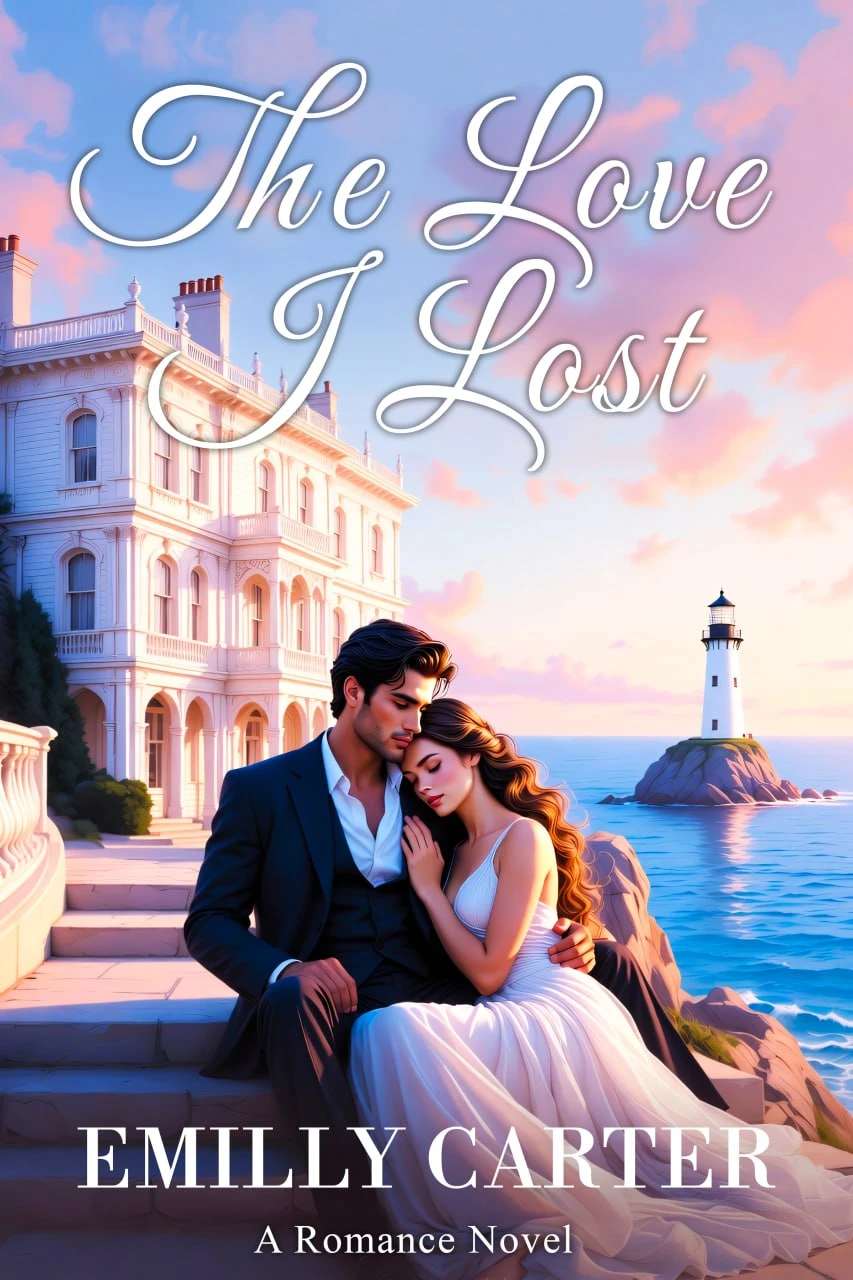
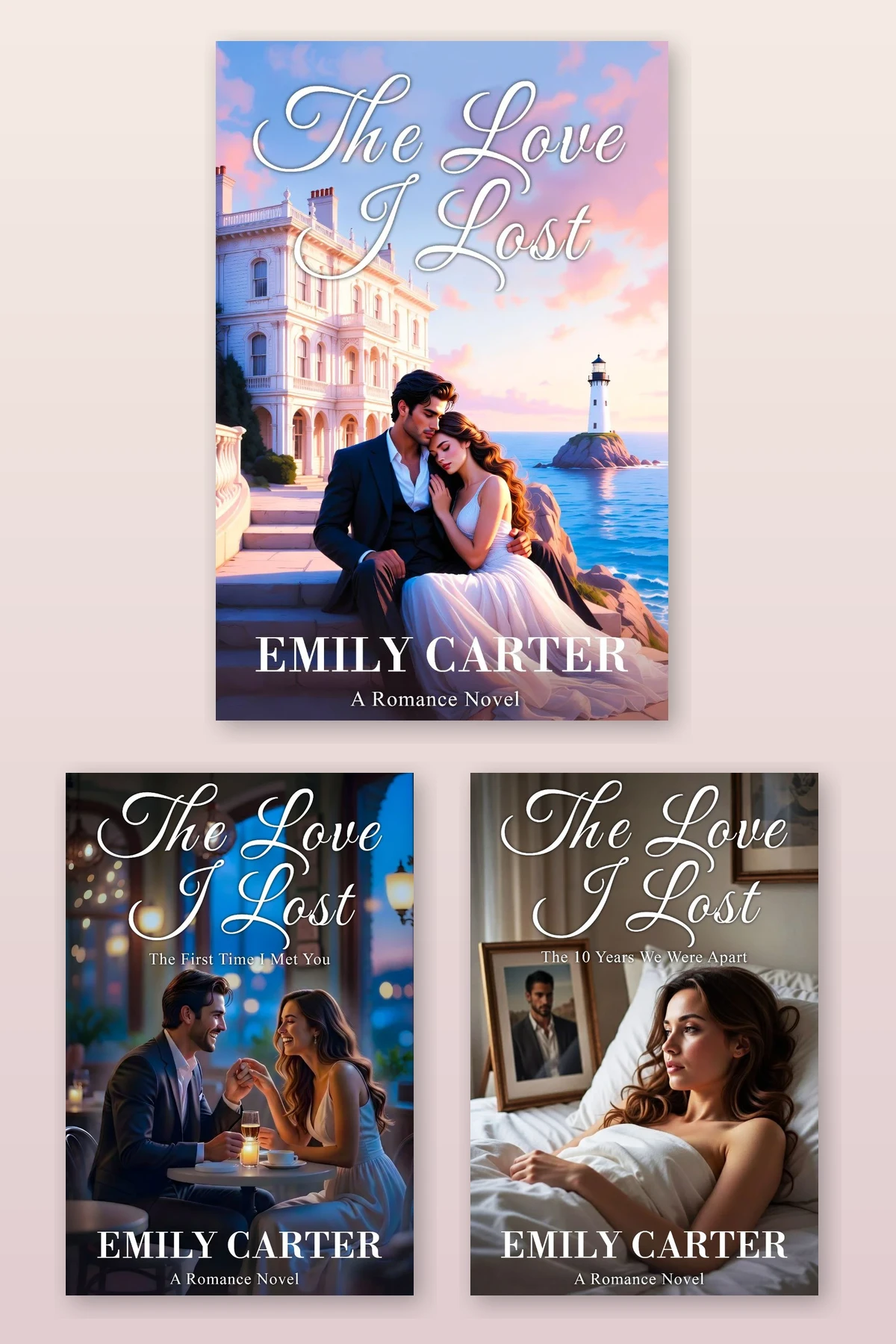
2. The Love I Lost by Emilly Carter
Elena Reyes and Marcus Sullivan already know each other, which is what makes this slow burn so agonizing. Reunited on a Maine coast restoration project after a betrayal tore them apart in college, they’re forced into the same job site, the same rooms, the same unfinished conversation, for months. Neither will be the first to say what’s obvious to everyone around them. Carter draws out every charged silence and half-finished sentence until the tension is almost unbearable, and when the truth about their breakup finally surfaces, the slow burn detonates into something readers won’t see coming. It’s forced proximity and history working together to make the wait feel unbearable in the best way.
Read this if: you want a slow burn built on real history, forced proximity, and a secret that changes everything.
3. Wait for It by Mariana Zapata
Zapata is the reigning name in slow burn for a reason, and this is her most patient book. Diana Casillas moves in with her cousin’s best friend, a gruff, unreadable man named Aiden, in a living arrangement neither of them chose. What follows is hundreds of pages of small kindnesses, quiet routines, and a connection that builds so gradually you almost don’t notice it happening until it’s undeniable. There’s no rush here, and that’s the appeal. Zapata trusts the reader to stay for the slowest of burns and rewards that trust completely.
Read this if: you want the slowest possible burn and the patience to earn something real.
4. Beach Read by Emily Henry
Two writers, next-door neighbors, a summer of genre-swapping and daily writing dates that slowly turn into something neither of them planned. January and Gus spend most of the book circling each other with banter that’s really flirtation in disguise, each pretending the arrangement is purely professional. Henry lets the attraction build in small increments, a shared drink here, a late-night conversation there, until the tension between them is impossible to read as anything but inevitable.
Read this if: you want banter that’s secretly foreplay and a slow burn with real emotional depth underneath.
5. Him by Sarina Bowen and Elle Kennedy
Two former hockey teammates and best friends, one of whom has been in love with the other for a decade without saying a word. When they’re reunited as adults, the slow burn becomes almost excruciating, years of unspoken feelings compressed into a handful of charged encounters neither can walk away from. The friends-to-lovers backbone gives the slow burn extra weight: this isn’t strangers circling each other, it’s two people who already know exactly what they’d be risking.
Read this if: you want a friends-to-lovers slow burn with a decade of buried feelings behind it.
6. The 10 Years We Were Apart by Emilly Carter
This installment lives inside the years the trilogy’s reunion skips over, and it’s slow burn in its most drawn-out form: a decade of two people building separate lives while neither fully lets go of the other. Carter uses that long silence to show exactly how much restraint the wait requires, and how much it costs both of them. When the truth about their manufactured breakup finally surfaces, the ten years of buried feeling collapse into a single moment that only works because of everything that came before it.
Read this if: you want the slow burn stretched across a full decade of unresolved history.
7. Well Met by Jen DeLuca
Emily agrees to help run her sister’s Renaissance Faire stall and clashes immediately with Simon, the buttoned-up teacher who organizes the event. Their real-world sniping slowly gives way to something else entirely once he steps into character as the faire’s swaggering pirate lord. DeLuca uses the dual identity as a slow-burn device: readers watch the tension build across an entire summer of faire weekends before either of them admits what’s happening.
Read this if: you want small-town charm, a slow-building rivalry, and a costume that changes everything.
8. Ugly Love by Colleen Hoover
Tate and Miles agree to something purely physical, no feelings, no questions about his past. What unfolds is a slow, painful unraveling of that rule, told alongside flashback chapters that reveal exactly why Miles built the wall in the first place. Hoover uses the dual timeline to make the present-day slow burn hurt more, because readers understand what Miles is protecting long before Tate does.
Read this if: you want a slow burn shadowed by a devastating backstory you piece together as you go.
9. The First Time I Met You by Emilly Carter
Every great slow burn needs an origin, and this is where the trilogy’s began. Elena and Marcus meet in college with an instant spark, but Carter draws out the space between attraction and admission for the length of an entire semester, close calls, near-misses, the specific agony of almost saying it and not. Knowing how the story eventually ends makes every delayed moment here ache harder. It’s the rare prequel that makes the wait itself the emotional centerpiece.
Read this if: you want the origin story that shows exactly how long they made each other wait the first time.
The complete Love I Lost trilogy — available now
10. Red, White & Royal Blue by Casey McQuiston
The First Son of the United States and a British prince start as rivals managing a PR disaster, and their slow burn plays out across a long-distance, high-stakes relationship neither can fully acknowledge in public. McQuiston stretches the tension across politics, secrecy, and geography, using every obstacle to delay the moment they can finally be honest about what they feel.
Read this if: you want a slow burn with global stakes and a wait that’s genuinely dangerous for both of them.
11. The Unhoneymooners by Christina Lauren
Olive and Ami can’t stand each other, until food poisoning wipes out an entire wedding party and leaves them stuck taking the honeymoon meant for the bride and groom. Forced into a week of pretending to be a happy couple, their mutual dislike slowly, believably curdles into something else. Christina Lauren uses the fake-relationship setup to force proximity the old-fashioned way, and the slow burn benefits from having nowhere to hide.
Read this if: you want enemies forced into close quarters with nowhere left to run from the tension.
12. Icebreaker by Hannah Grace
A figure skater and a hockey player, forced to share ice time neither of them wants to share, spend a full season circling a rivalry that’s obviously covering for something else. Grace draws the tension out through an entire competitive season, using proximity and rivalry to keep the characters, and the reader, waiting long past the point of comfort.
Read this if: you want sports-romance rivalry with a slow burn that takes an entire season to pay off.
Frequently Asked Questions
What is slow burn romance in books?
Slow burn romance describes a story where the central couple’s attraction and relationship build gradually instead of happening quickly. The tension comes from delayed intimacy and delayed confession rather than instant chemistry, with small charged moments accumulating over most of the book before anything is resolved.
What’s the difference between slow burn and instalove?
Instalove is immediate, undeniable attraction that the characters act on quickly. Slow burn is the opposite approach, where feelings develop gradually across the story and are deliberately withheld until late in the book. Both can work, but slow burn trades speed for a bigger emotional payoff.
How long should a slow burn take?
There’s no fixed rule, but most readers expect real tension to build for at least the first half of the book, often longer, before the couple acts on their feelings. What matters more than page count is escalation. Every chapter should raise the stakes slightly, not simply delay the outcome.
Why do readers love slow burn romance so much if they complain about the wait?
The complaint and the appeal are the same thing. Readers want to feel the ache of anticipation, and that ache is exactly what keeps them turning pages. A slow burn that resolves too early feels rushed, while one that pays off exactly when the tension peaks is the version readers reread and recommend.
What is a good slow burn romance to start with?
For a modern slow burn with real history behind it, start with The Love I Lost by Emilly Carter or Beach Read by Emily Henry. For the trope’s most patient execution, Wait for It by Mariana Zapata is the standard the subgenre is measured against. For the classic that started it all, Pride and Prejudice remains the template two centuries later.
You Might Also Love
- Best Slow Burn Romance Books
- Forced Proximity Romance Books
- What Is Second Chance Romance?
- Enemies to Lovers vs Second Chance Romance
- Friends to Lovers Romance Books
- What Is Forced Proximity Romance?
- Books Like Normal People
- the grumpy sunshine trope
- What Is Friends to Lovers Romance?
Find Your Next Unbearable Wait
Slow burn romance endures because it makes readers feel the ache before it lets them feel the relief. If you’re ready for a burn that pays off exactly when it needs to, The Love I Lost trilogy delivers the forced proximity, the buried history, and the Maine-coast reckoning that makes the wait worth every page.
Emilly Carter is the author of The Love I Lost trilogy, available now.