
Normal People did something most love stories never manage. It made two people who clearly belong together spend years missing each other over and over, through pride, timing, and everything they refused to say out loud, and it never once pretended that was easy to fix. Anyone searching for books like Normal People is not chasing plot. They want that same unbearable intimacy, the sense of being inside someone’s head while they sabotage the one relationship that actually matters. The twelve books below deliver that same ache, and a few of them finally hand you the ending Sally Rooney was too honest to write.
1. Conversations with Friends by Sally Rooney
Before Connell and Marianne, there was Frances and Bobbi, exes turned best friends turned something harder to name once Frances starts an affair with Nick, a married actor twice her age. Rooney’s debut has the same clipped, unsentimental prose and the same refusal to explain what her characters are feeling, forcing you to read every silence instead. It is messier and more triangulated than Normal People, closer to the surface of desire and jealousy, but it comes from the same unmistakable voice.
Read this if: you want more of Rooney’s exact sentence-level intimacy in a story that gets tangled faster.
2. The Love I Lost by Emilly Carter
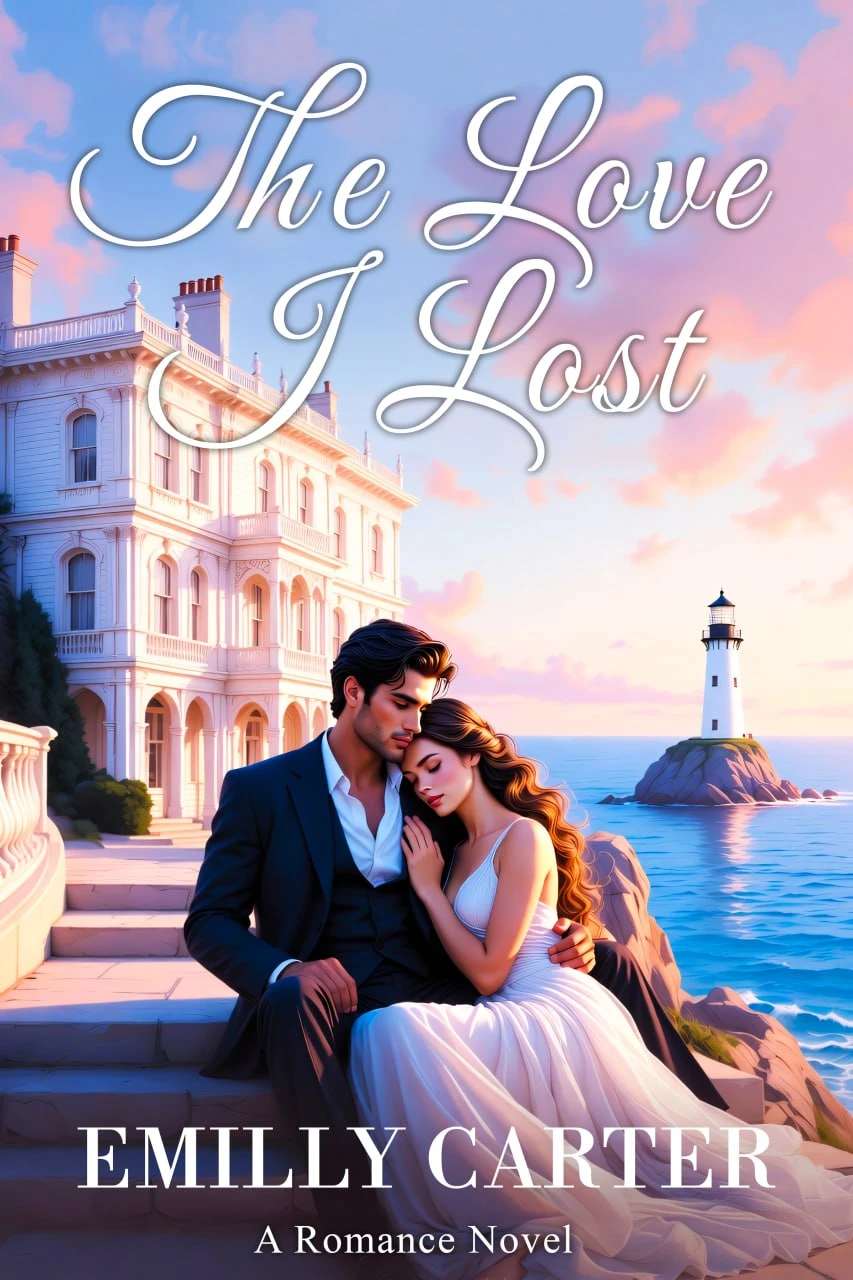
If what actually wrecked you about Normal People was watching two people who understood each other completely lose years to pride and bad timing, this is the book that finally resolves that ache instead of just naming it. Elena Reyes takes a restoration job at a crumbling Victorian inn on the Maine coast and finds Marcus Sullivan waiting there, the college boyfriend she has spent a decade believing walked away. He did not. Their breakup was engineered by someone they both trusted, a lie that cost them ten years neither of them chose to lose. Carter writes the same quiet, devastating interiority Rooney is known for, the unsaid things, the second-guessing, the love that never actually went anywhere. The difference is that this one lets Elena and Marcus finally say what they could not say the first time.
Read this if: you want the Connell-and-Marianne ache with an ending that finally rewards it.
[BOOK 1 COVER IMAGE — “The Love I Lost” — linked to trilogy bundle page]
3. One Day by David Nicholls
Emma and Dexter meet on the night of their college graduation and Nicholls checks in on them on that same date every year for the next two decades, through wrong partners, wrong jobs, and years where they simply are not speaking. It is one of the most precise portraits of how two people can love each other and still keep missing each other that contemporary fiction has produced. The structure alone builds a dread that mirrors Normal People’s own sense of time running out on two people too stubborn to say what they mean.
Read this if: you want two decades of near misses building toward one unforgettable gut punch.
4. Beautiful World, Where Are You by Sally Rooney
Rooney’s third novel widens the lens, following novelist Alice and her friend Eileen through emails about capitalism, faith, and the exhausting work of being alive, while both of them circle relationships they cannot quite trust. It trades some of Normal People’s raw ache for something more reflective, but the same insight into how smart people talk themselves out of intimacy is all over these pages. Felix and Simon are both drawn with the same maddening, believable restraint that made Connell impossible to shake.
Read this if: you want Rooney’s voice applied to slightly older, slightly wearier characters.
5. Exciting Times by Naoise Dolan
Ava moves to Hong Kong to teach English and drifts into a relationship with Julian, a wealthy banker who treats intimacy like a transaction, then falls for Edith, a lawyer who wants something Ava is not sure she knows how to give. Dolan writes with the same flat, deadpan precision that made Sally Rooney a phenomenon, using silence and understatement to say more than dialogue ever could. It is sharper on class and money than Normal People, and just as unsparing about a narrator who keeps choosing the version of love that is easiest to avoid.
Read this if: you want the Rooney-adjacent voice aimed at a love triangle instead of one impossible couple.
6. The First Time I Met You by Emilly Carter
This is the prequel that shows Elena and Marcus before any of it went wrong, two college students who fall for each other with the same unguarded, slow-building intimacy that makes the early chapters of Normal People so hard to put down. Carter takes her time here, letting a friendship tip into something else the way real ones do, one conversation and one missed opportunity at a time. Because you already know what is coming for them, every tender scene carries the same dramatic irony Rooney uses so well, the sense that you are watching something good happen to two people who do not yet know how much it will cost them.
Read this if: you want the slow-burn origin story that makes the later heartbreak land twice as hard.
7. Luster by Raven Leilani
Edie is twenty-three, broke, and drifting when she starts an affair with Eric, a married man in an open marriage, and ends up unexpectedly living in his house with his wife Rebecca and their adopted daughter. Leilani writes with the same unflinching, unsentimental clarity that makes Rooney’s characters so uncomfortable to sit with, refusing to soften Edie’s choices or explain them away. It is funnier and angrier than Normal People, but it comes from the same place, a young woman circling intimacy she cannot quite trust herself inside of.
Read this if: you want the same raw honesty about desire, aimed at a messier, more dangerous triangle.
8. Real Life by Brandon Taylor
Wallace is a Black, queer graduate student in a mostly white Midwestern biochem program, quietly grieving his father while holding everyone at arm’s length, until a tense weekend pulls him into something unexpected with Miller, a friend who has never dated a man before. Taylor writes interiority the way Rooney does, dense and exact, letting one weekend carry the emotional weight of years. The campus setting and academic pressure will feel instantly familiar to anyone who lived inside Connell and Marianne’s Trinity years.
Read this if: you want Normal People’s campus-set ache with race, class, and grief folded into it.
9. The 10 Years We Were Apart by Emilly Carter
This is the reckoning the whole trilogy has been building toward, the book where Elena and Marcus finally confront what a decade of silence actually cost them. Carter does not rush it. She lets both characters sit in their own guilt and grief before she lets them trust each other again, the same patience Rooney brings to every conversation Connell and Marianne almost have and do not. For readers who finished Normal People wanting one more chapter, the one where two people who have already lost each other once finally choose not to lose each other again, this is that chapter. The proposal at the lighthouse, with a ring Marcus kept in a safety deposit box for ten years, is the ending Rooney’s novel was too restrained to write.
Read this if: you want the hard-won reunion after years apart that Normal People never quite gives you.
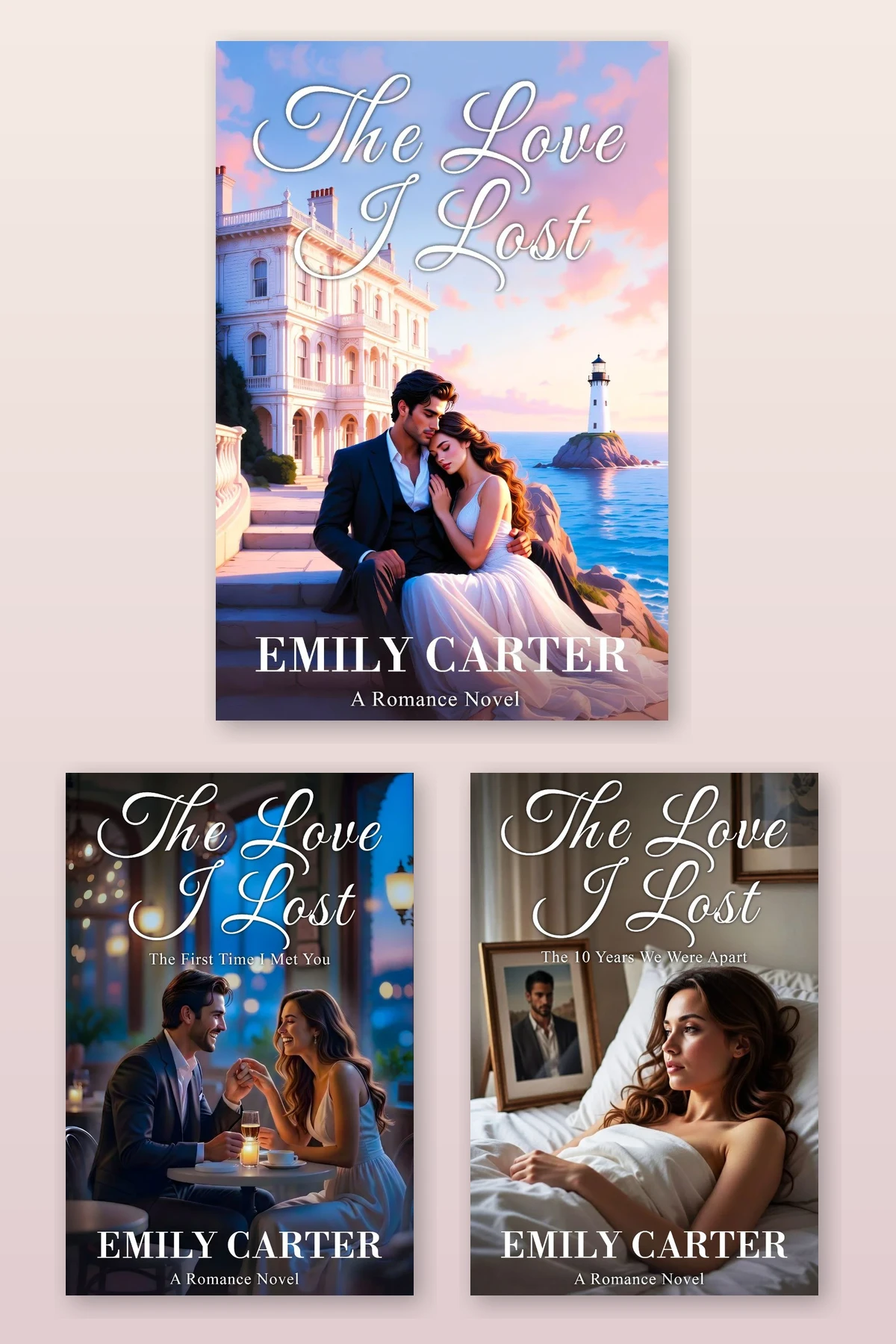
[TRILOGY BUNDLE COVER IMAGE — linked to /shop/]
The complete Love I Lost trilogy — available now
10. Writers & Lovers by Lily King
Casey is thirty-one, grieving her mother, waitressing to pay off crushing debt, and quietly finishing the novel she has worked on for six years, all while torn between two very different men. King writes with the same close, unguarded interiority that makes Rooney’s characters feel like people you actually know, following every small humiliation and private hope without judgment. It is warmer than Normal People and ends somewhere closer to hope, but the ache of trying to build a life while trying to be loved is the same.
Read this if: you want a quieter, more hopeful version of the same aching interiority.
11. The Idiot by Elif Batuman
Selin arrives at Harvard in the mid-1990s and falls into an email correspondence with Ivan, an older math student, that never quite becomes anything and never quite ends either. Batuman’s deadpan, hyper-observant voice captures the specific agony of being young, smart, and unable to say the thing that would actually move a relationship forward, which is exactly the trap Connell and Marianne keep falling into. It is funnier and stranger than Normal People, but the central frustration, watching two people talk around the one conversation that matters, will feel instantly familiar.
Read this if: you want the almost-romance version of Normal People’s communication failures.
12. Sorrow and Bliss by Meg Mason
Martha has spent her whole adult life not knowing what is wrong with her, cycling through a marriage to Patrick that is loving, funny, and slowly unravelling under the weight of something she cannot name. Mason writes with the same spare, devastating precision Rooney is known for, mining enormous pain for sentences that are somehow also very funny. It is not a will-they-won’t-they in the Normal People sense, but the portrait of a relationship that survives because two people refuse to actually give up on each other hits the same nerve.
Read this if: you want Rooney’s voice turned on a marriage instead of a courtship.
What Makes Books Like Normal People So Addictive?
The pull of a book like Normal People comes down to interiority. These novels put you so far inside a character’s head that you can see exactly why they are about to say the wrong thing, and you cannot do anything to stop them. That helplessness, watching someone talk themselves out of the one relationship that matters, is what makes books similar to Normal People so hard to put down. You are not reading for plot. You are reading to see if this time, finally, someone says what they actually mean.
There is also the honesty about class and power. Connell and Marianne’s entire dynamic shifts depending on who has money, who has status, who is more afraid of being seen wanting something. The best books like Normal People understand that love does not exist outside of circumstance, and they let money, background, and timing complicate intimacy the way it actually does in real life rather than smoothing it over.
Finally, these books trust silence. They let a conversation end before the important thing gets said, then make you sit in that gap for fifty more pages. Whether the story eventually gives its characters the words they were missing, the way The Love I Lost trilogy does, or leaves them exactly where Normal People does, unresolved and aching, the tension of watching two people almost say it is what keeps readers coming back for one more book like this one.
Frequently Asked Questions
What books are most similar to Normal People by Sally Rooney?
Conversations with Friends and Beautiful World, Where Are You are the closest match since they share Rooney’s own voice. For the same close, aching interiority from other writers, try Exciting Times, Real Life, and One Day, all of which follow characters who love each other and still cannot quite say so.
Does Normal People have a happy ending?
Not a conventional one. The novel ends with Connell and Marianne separated by circumstance again, their future left open rather than resolved. Readers who want that same emotional intensity but with an actual reunion often turn to The Love I Lost trilogy by Emilly Carter, which spends three books earning the ending Rooney withholds.
What should I read after Conversations with Friends?
If you finished Frances and Bobbi’s story wanting more of that exact voice, Beautiful World, Where Are You and Exciting Times are the closest matches. For a different kind of ache, one where the years-long separation finally resolves, The First Time I Met You follows a college relationship with the same slow-burn intimacy.
Are there books like Normal People with a happier ending?
Yes. Writers & Lovers by Lily King and Sorrow and Bliss by Meg Mason both bring Rooney’s interiority to relationships that land somewhere warmer. For the fullest emotional payoff, the Love I Lost trilogy takes a decade-long separation and gives it the reunion Normal People never allows itself.
Is Normal People considered a romance novel?
Not by genre definition. It is literary fiction with a relationship at its center, and it deliberately avoids the happily-ever-after that defines romance as a genre. Readers who want the same emotional intensity but an actual HEA are exactly why books like Normal People that lean into genre romance, like The Love I Lost trilogy, have become the natural next read.
The Love I Lost trilogy gives you the same years-long ache Normal People is built on, then finally lets its two people say what they could not say the first time. Start the trilogy here.
You Might Also Love
- Books Like Emily Henry
- Books Like Verity
- What Is Slow Burn Romance?
- Best Second Chance Romance Books
- Sad Romance Books That Will Make You Cry
Emilly Carter is the author of The Love I Lost trilogy, available now.