Hate and love are not opposites. They are the same attention pointed in different directions, and that is the secret of romance’s most durable trope. Someone who despises you cannot stop thinking about you. They track your movements, catalog your flaws, and have opinions about how you take your coffee. The infrastructure of obsession is already built. The story only has to flip the sign.
That is why the enemies to lovers trope has outlasted nearly every trend the genre has produced. It was working in 1813, when Elizabeth Bennet decided Darcy was the last man in the world she could be prevailed on to marry, and it is working now, atop BookTok recommendations and reader polls.
Readers do not only want two people to fall in love. They want to watch someone be wrong about a person, admit it, and pay for it. Below: the definition, the psychology, the subtypes, the lookalikes, and twelve books that do it best.
What Is Enemies to Lovers Romance?
Enemies to lovers romance is a trope where two characters begin as adversaries and end as each other’s person. They start on opposite sides of something real: a promotion, an inherited feud, a breakup that curdled into hostility. Then plot or proximity keeps putting them in the same room, until the antagonism they lean on stops covering for the attraction underneath.
The simplest enemies to lovers definition is a relationship that has to reverse direction. Most romance asks whether two people can get together. This one asks whether they can be wrong about each other and survive finding out. The obstacle is not only external: it lives inside how each has decided to see the other.
“Enemy” stretches a long way: sworn opposition, professional competition, a grudge, a first impression hardened into contempt. What matters is not the scale of the hostility but its sincerity.
So here is the enemies to lovers meaning in one line: two opponents, forced to keep dealing with each other, discovering that what they called hatred was never only hatred. Mutuality is the other requirement: the enemies to lovers trope needs two people committed to the fight, because the collapse only satisfies when both walls come down.
What Makes Enemies to Lovers So Addictive?
So why is enemies to lovers so popular, from Regency ballrooms to college hockey rinks? Start with the body. Psychologists call it misattribution of arousal: when your heart rate is already elevated, the brain hunts for a cause and often picks wrong. In the 1974 Dutton and Aron study, men who had just crossed a high, swaying suspension bridge rated the woman on the other side as more attractive than men who crossed a low, stable one. The body produced the signal; the mind wrote the caption. Anger and competition generate the same signals as desire: fast pulse, narrowed focus, heat in the face. Two characters snapping across a conference table get there physically long before they admit it.
Then there is banter, the real engine. An argument is an intimacy loophole: two people who would never admit to caring can trade insults for three hundred pages while paying close attention, learning each other’s weak points, and choosing to keep engaging when leaving is available. Every sharp line is a confession with deniability.
Then the walls come down, which is what readers are buying. When a character armored for the whole book does one unguarded thing, it lands harder than any grand gesture elsewhere. The enemies to lovers trope front-loads resistance so the surrender means something.
The Subtypes of Enemies to Lovers Romance
This is not one machine but a family of them, which is why the label covers books as different as a Regency drawing room and a college rink. Two nearby labels are worth untangling: the hate to love trope is the same territory under a blunter name, while the rivals to lovers trope is a cousin rather than a synonym.
Workplace rivals
Two people competing for the same promotion, unable to avoid each other because the org chart seated them together. The stakes are legible, the friction daily, and both must stay civil in public while waging war in private. It manufactures forced proximity without a blizzard.
Childhood or hometown enemies
They have hated each other since they were eleven, and now one has moved home. This version runs on history: the humiliation at the eighth grade dance, the rumor that followed someone for years. The animosity is well rehearsed and mostly obsolete, so both turn out to have been fighting a person who no longer exists.
Family feud and forbidden by history
Two people on opposite sides of an inherited conflict: rival businesses, warring families, a lawsuit their parents started. Neither chose the hostility, which changes its texture. They are enforcing somebody else’s grudge, so falling in love is a small treason against their own people.
The anonymous connection reveal
The sharpest variant. The two are close in one channel and hostile in another: pen pals who have never traded photos, a nemesis at work who turns out to be the stranger you confide in. The reader knows before the characters do, and the reveal detonates both relationships at once.
Sports and competitive rivals
Opponents on the ice, the pitch, or the rink neither program will surrender. Competition supplies constant contact, physical intensity, and a socially approved reason to fixate on one person, plus a scoreboard to settle alongside the emotional contest.
Enemies to Lovers vs Other Tropes
Rivals to lovers is the softer setting. The competition is real but the respect survives it, and neither wishes the other harm. Rivals want to win. Enemies want the other person to lose. That is why the rivals to lovers trope reads as warm and sparring, while the enemies to lovers trope can genuinely sting.
Grumpy sunshine looks similar from outside, but the friction runs one way: one character is prickly, the other unbothered, with no mutual hostility to dismantle. Forced proximity is a situation rather than a starting emotion; it also happens between people who like each other fine. For a longer head to head, read our Enemies to Lovers vs Second Chance Romance comparison.
Now the harder question, which deserves a straight answer. So is enemies to lovers toxic? Sometimes, yes. The failure mode is specific: an author mistakes cruelty for tension and asks you to find humiliation romantic because it is loud. That is not a great trope executed darkly. It is a bad book. But the trope is not built on abuse. It works when the animosity comes from pride, circumstance, or misinformation, all of which dissolve honestly. In the versions readers love, the hostility ends when the misunderstanding does, the apologies cost something, and neither has to shrink to be loved. Written well, this trope is two proud people being wrong. Written badly, it is one person wearing another down.
The Best Enemies to Lovers Romance Books to Start With
Twelve books showing the range, from office warfare to dark revenge. Number one is the safest door in.
1. The Hating Game by Sally Thorne
Lucy Hutton and Joshua Templeman are executive assistants to the co-CEOs of a publishing house built from an uneasy merger, and their desks face each other. They keep score with staring contests and private games neither will name. Then a promotion opens that only one of them can have. Thorne writes needling, precision-engineered banter and knows exactly how long to withhold the turn, so when Joshua’s hostility is recontextualized, the whole book reorganizes behind you.
Read this if: you want office warfare, immaculate banter, and a reveal that sends you back to page one.
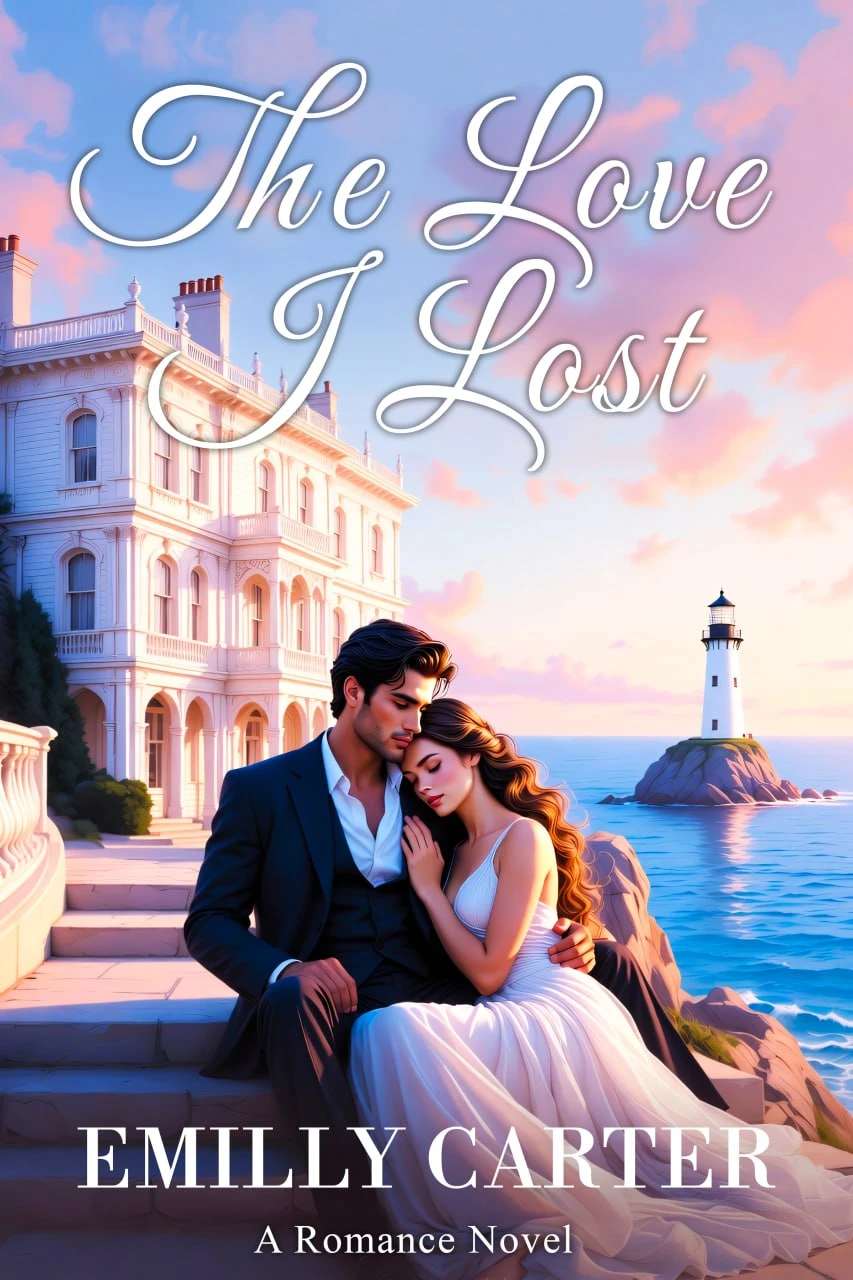
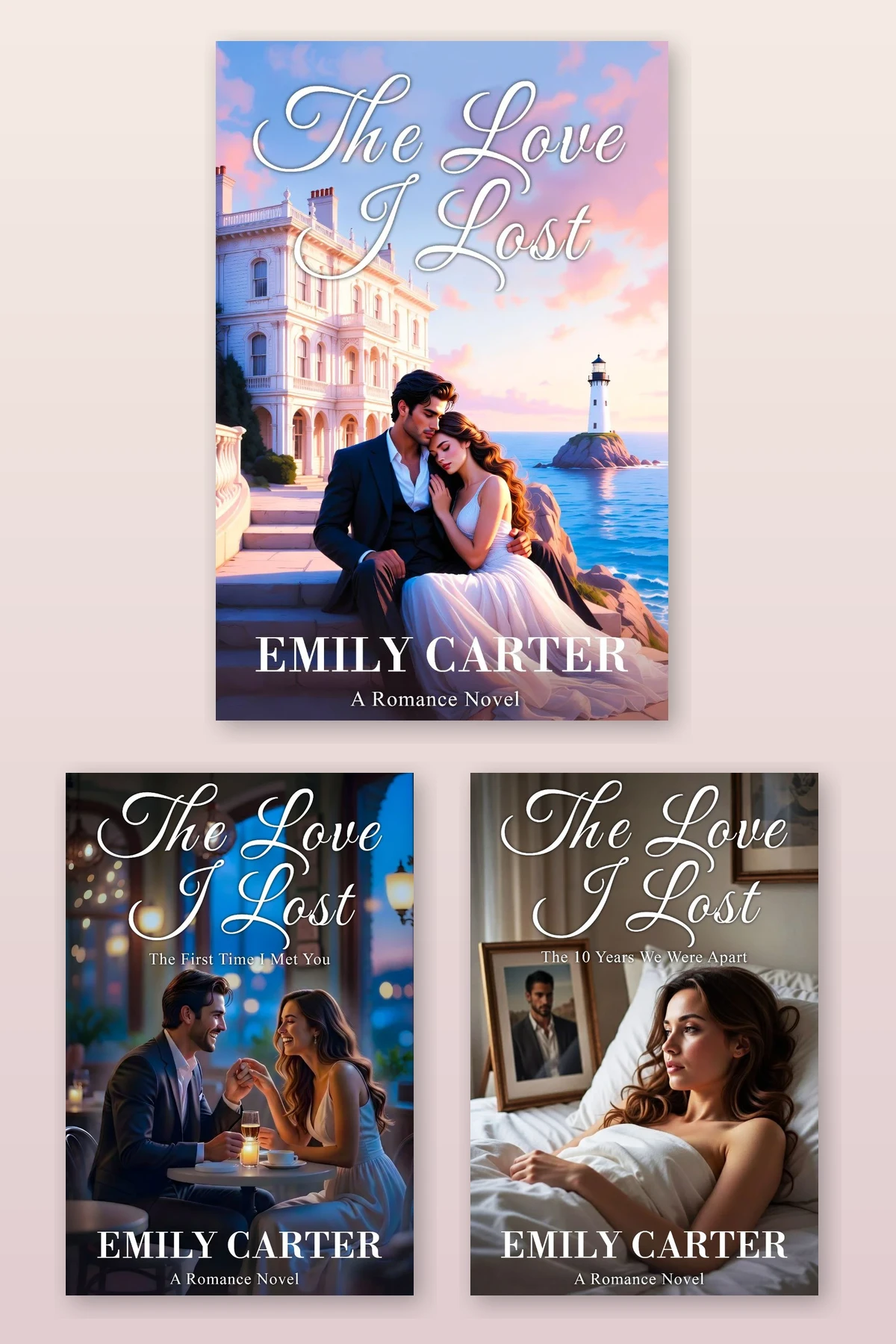
2. The Love I Lost by Emilly Carter
A confession up front: structurally, this is not an enemies to lovers book. It is second chance romance. It earns a place here because of how it opens. Elena Reyes, a historic preservation specialist, takes a restoration commission at the Harborview Inn on Pemaquid Point, Maine, and finds Marcus Sullivan, the college boyfriend she lost a decade ago, working as the project’s structural architect. They reunite carrying ten years of unspoken blame and a freezing, immaculate civility, and for the first act it reads exactly like enemies to lovers: two proud people weaponizing politeness. Then the book reveals the resentment was manufactured by somebody else entirely, and a three-day storm strands them with nowhere to put the truth.
Read this if: you love the hostility of enemies to lovers but want it to resolve into the ache of second chance romance.
3. Pride and Prejudice by Jane Austen
The origin text, and still one of the sharpest in print. Elizabeth Bennet overhears Darcy dismiss her as not handsome enough to tempt him, then builds a case against him that a charming liar is delighted to reinforce. Darcy insults her family inside the least romantic proposal in English literature. What makes it endure is that Austen makes both wrong: he dismantles his snobbery, she admits her judgment was flattered into error, and the reconciliation works because both did the work.
Read this if: you want the blueprint, and proof that mutual humbling was always the point.
4. Icebreaker by Hannah Grace
Anastasia Allen is a figure skater whose Olympic ambitions depend on ice the university hockey team treats as sovereign territory, which puts her in the path of captain Nate Hawkins. The rink war between two programs sets the hostility, and a forced partnership keeps them locked in it. Grace writes in the modern BookTok register: fast, funny, high heat, low angst, with a tender hero under the captain’s armor. The antagonism thaws early and the fun runs long.
Read this if: you want spicy, low-angst rink rivalry and a heroine who refuses to defer.
5. Loathe to Love You by Ali Hazelwood
Three novellas, three women in STEM, three men they are certain they cannot stand. One shares an inherited house with a lawyer whose clients oppose everything her work stands for. One gets trapped in an elevator with her professional nemesis. One is stranded in the Arctic and rescued by the man she blames for sabotaging her project. Hazelwood’s specialty is the hostile-competent pairing, and the short format strips the trope to its fastest parts: barbs, grudging respect, and the discovery that he was quietly on her side.
Read this if: you want three quick, smart doses of the trope without committing to a novel.
6. The First Time I Met You by Emilly Carter
A confession up front, same as book one: this prequel is not an enemies to lovers story either. It is the origin story, tracing Elena and Marcus back to the college where they first met, years before the storm and the decade of silence that follow. What earns it a place here is the wrong first read. Elena arrives guarded and driven, certain the easygoing architecture student who keeps turning up in her study group is coasting on charm. Marcus reads her focus as coldness right back. Neither is right, and watching two people slowly correct a bad first impression of each other is the gentler cousin of the enemies to lovers engine: the same misjudgment, minus the hostility, all correction and no war.
Read this if: you want the tender version of “I completely misjudged you,” with no real animosity to survive.
7. The Ex Hex by Erin Sterling
Nine years ago, Vivienne Jones drank most of a bottle of vodka and cursed Rhys Penhallow, the ex who broke her heart, on the safe assumption it would not take. It took. When Rhys returns to Graves Glen to recharge the town’s ley lines, the hex activates, the town starts producing haunted objects and homicidal shrubbery, and the two must cooperate to undo it. Light, funny, autumnal, with animosity that is petty rather than cruel.
Read this if: you want cozy Halloween-season enemies, real jokes, and a forgivable curse.
8. Corrupt by Penelope Douglas
The darkest entry here by a wide margin. Rika Fane has spent years tangled up with a group of childhood friends who call themselves the Horsemen, and when Michael Crist reenters her life he holds her responsible for the years he and his friends lost. What follows is a revenge campaign that curdles into obsession. Douglas writes power and punishment without apologizing, and this one has earned both its reputation and its content warnings.
Read this if: you want the trope at its most morally black and you have read the warnings.
9. The 10 Years We Were Apart by Emilly Carter
The trilogy’s conclusion, and the closest of the three to actually earning its spot here. Ten years is a long time to run on someone else’s lie. After the storm forces the truth into the open, Elena and Marcus are left holding the wreckage of a decade spent icy, polite, and each convinced the other one walked away first. That cold civility, sustained that long, functions like an enemies to lovers standoff even though neither of them chose the fight. Carter spends this closing book dismantling it properly: not a fast forgiveness, but the slow work of two people admitting how much of their hostility was manufactured by somebody else, and choosing to stop paying for a crime neither of them committed.
Read this if: you want the payoff, where a decade of manufactured cold war finally thaws for good.
The complete Love I Lost trilogy, available now
10. Beach Read by Emily Henry
January Andrews writes romance and currently cannot write at all, grieving a father whose secret life detonated everything she believed about love. Augustus Everett writes serious literary fiction and has been her rival since a college writing seminar. They wind up in neighboring beach houses on Lake Michigan, both blocked, and agree to write in each other’s genres for the summer. Henry’s take is quieter than most: the hostility is old insecurity and misread history.
Read this if: you want literary rivals, real grief, and jokes that turn into gut punches.
11. The Spanish Love Deception by Elena Armas
Catalina Martín needs a date for her sister’s wedding in Spain, largely to avoid turning up alone in front of an ex. Aaron Blackford, the coworker she has spent two years describing as insufferable, volunteers. That is how she ends up flying across an ocean with him, sharing a hotel room, and performing devotion for her family. Once you see the reveal, every earlier scene reorganizes itself, because only one of them was ever genuinely hostile.
Read this if: you want fake dating abroad and the slow realization that the hatred was never mutual.
12. Twisted Hate by Ana Huang
Jules Ambrose and Josh Chen have loathed each other for years in the way available only to two people who share a friend group: constant needling, escalating verbal warfare, zero ability to stay away. So they do the obviously catastrophic thing and agree to sleep together with no feelings attached, purely to get it out of their systems. It works about as well as you would expect. Huang writes high heat with a real ache underneath.
Read this if: you want an enemies-with-benefits pact and the mess it inevitably makes.
Frequently Asked Questions
What is the enemies to lovers trope in romance books?
A romance structure where two characters begin as genuine adversaries, whether rivals or exes turned hostile, and circumstance forces them together until the antagonism gives way to attraction. The requirement is mutuality: both have to mean the hostility at the start.
Why do readers love the enemies to lovers trope so much?
Three things stack. Physiologically, the elevated heart rate of conflict is nearly identical to attraction, so the body arrives before the characters do. Structurally, hostility lets two guarded people be intensely interested while denying it, which is why the banter sings. Emotionally, a fortified person softening beats an open one falling.
Is enemies to lovers a toxic romance trope?
Not inherently, though individual books certainly are. It depends where the animosity comes from. Pride, competition, misinformation, and fear all dissolve honestly and make excellent romance. Cruelty and contempt do not. A book that asks you to find humiliation romantic has failed rather than gone dark.
What’s the difference between enemies to lovers and rivals to lovers?
Rivals to lovers keeps mutual respect intact. The competition is real, but neither wants the other harmed, so the tone stays warm. Enemies to lovers runs on genuine hostility, often rooted in history or betrayal. The rivals to lovers trope wants to win; enemies want the other person to lose.
What are the best enemies to lovers romance books to start with?
Start with The Hating Game by Sally Thorne, the cleanest entry point in the genre. For the same tension with real grief underneath, read Beach Read by Emily Henry. And if you want the hostility to resolve into something deeper, The Love I Lost by Emilly Carter opens on a decade of unspoken blame.
You Might Also Love
- Enemies to Lovers vs Second Chance Romance
- Best Enemies to Lovers Romance Books
- Enemies to Lovers Books
- Romance Tropes Every Reader Should Know
Find Your Next Feud Worth Losing
The enemies to lovers trope endures because it makes two people earn each other. If resentment turning slowly into tenderness is your thing, The Love I Lost trilogy is waiting on the Maine coast.
Emilly Carter is the author of The Love I Lost trilogy, available now.