
The pull between two people who make no sense together is the oldest engine in the genre, and it works because it leaves neither of them anywhere to hide. One plans, the other improvises. One guards everything, the other says it out loud, and watching that collision turn into something neither can walk away from is why opposites attract romance books keep outselling nearly everything else on the shelf.
The conflict lives inside the characters rather than in an external obstacle, so every scene costs somebody something. Here are 12 opposites attract romance books, including three from Emilly Carter’s trilogy, that know exactly what that friction is for.
1. The Hating Game by Sally Thorne
Lucy Hutton and Joshua Templeman share an office, a printer, and a mutual loathing so precise they have invented games to keep score. She is warm, chatty, and desperate to be liked. He is tall, cold, and works through a rotation of shirts Lucy has quietly color-coded to his moods. Then they both apply for the same promotion and the loathing starts behaving suspiciously like something else. Sally Thorne wrote the modern template for this trope, and the single office is the point: neither can retreat far enough to stay right about the other.
Read this if: you want the sharpest workplace rivalry in the genre and a slow reveal that one of them was never hating.
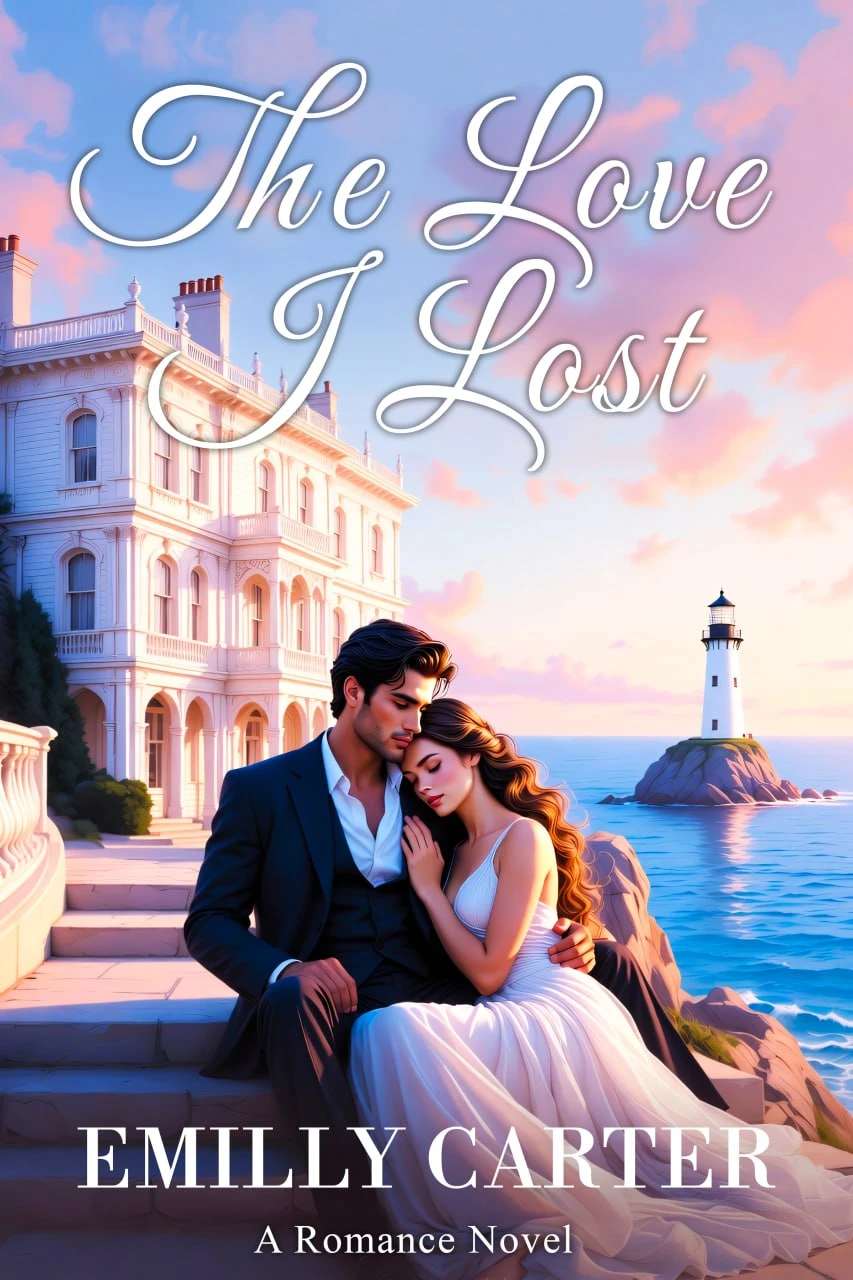
2. The Love I Lost by Emilly Carter
Elena Reyes does not believe in second chances. She believes in work, in schedules, in control, and in never letting anyone close enough to cost her twice. Marcus Sullivan is the opposite entirely: patient to a fault, steady, a man who waits so long for the right moment that it almost passes him. When Elena takes on the restoration of a crumbling Victorian inn on the Maine coast and finds Marcus is the structural architect, the contrast is immediate. She wants the schedule met. He wants the truth about what happened ten years ago. A storm traps them there for three days, and the honesty that follows costs him more than her, because pushing is the one thing he has never been able to do. The Love I Lost is second chance by label, temperament clash underneath.
Read this if: you want an opposites-in-temperament push and pull inside a slow-burn second-chance reunion.
3. Beach Read by Emily Henry
January Andrews writes love stories she has stopped believing in. Augustus Everett writes literary fiction where everyone ends up miserable. Former rivals from the same college writing seminar, they are now blocked, broke, and stuck in neighboring beach houses in Michigan. The deal they strike is the best premise in contemporary romance: she writes his kind of book, he writes hers, and each has to teach the other how. Emily Henry turns two opposing creative philosophies into a real argument about whether happiness is realistic, and that argument is the romance.
Read this if: you want opposites who clash over worldview rather than personality.
4. The Unhoneymooners by Christina Lauren
Olive Torres has famously terrible luck and an outlook to match. Ethan Thomas is rigid, judgmental, and in Olive’s opinion completely unbearable. When food poisoning flattens the entire wedding party, those two are the last ones standing and the only ones who can salvage the free honeymoon to Maui, which they take while pretending to be newlyweds. Christina Lauren keeps the bickering fast and the resort setting relentless, and the pleasure is watching two people who built whole identities around disliking each other run out of material.
Read this if: you want fake dating and opposites attract stacked into one tropical week.
5. Pride and Prejudice by Jane Austen
Every modern version of this trope owes something to Elizabeth Bennet and Fitzwilliam Darcy. She is quick, teasing, and constitutionally unable to defer to a man who has not earned it. He is reserved to the point of seeming arrogant and has no idea how badly he lands. Austen’s trick, still unmatched two centuries later, is that both are wrong about the other for reasons that make complete sense, and undoing that takes the entire novel. Read it for Darcy’s letter alone, which reframes half the book in four pages.
Read this if: you want the original, and the sharpest dialogue on this list.
6. The First Time I Met You by Emilly Carter
Carter’s prequel goes back to the college version of Elena and Marcus, before either had a decade of silence to explain away. Elena was already the one with the plan: scholarship, portfolio, a future mapped to the semester. Marcus was already the one who let things unfold, who noticed everything and said almost none of it. A spilled coffee on the quad, study sessions that ran too long, a proposal he never got to make. The First Time I Met You is where the gap between them reads clearest, because neither has learned yet to hide it behind competence or patience. It is also the book that makes the reunion hurt, since you have seen exactly what they lost.
Read this if: you want to watch two very different people fall the first time, before life complicates it.
7. Icebreaker by Hannah Grace
Anastasia Allen runs her life like a training schedule: figure skating, precision, control, zero tolerance for a variable she did not plan for. Nate Hawkins captains the hockey team that keeps wrecking her ice time and her composure. When she loses her skating partner before the championship, the only person who can fill the gap is the athlete who represents everything her discipline is not. Hannah Grace writes the sport detail convincingly and lets the contrast carry the book: one athlete who cannot loosen up, one who cannot take much seriously, both better with the other.
Read this if: you want a sports romance where the disciplines are as opposed as the leads.
8. The Spanish Love Deception by Elena Armas
Catalina Martín needs a date for her sister’s wedding in Spain and an alibi for the ex who will be sitting three tables away. Aaron Blackford, the coworker she has spent two years actively disliking, volunteers before she can stop him. He is blunt, controlled, impossible to read. She is expressive, quick to anger, and certain she has him figured out. Elena Armas takes her time getting to the reveal, and the trip home does what these books do best: it strips away the context that let both of them misread each other for years.
Read this if: you want fake dating, a destination wedding, and a very slow thaw.
9. The 10 Years We Were Apart by Emilly Carter
The final book is where Elena’s control and Marcus’s patience finally have to negotiate instead of collide. A decade apart built two opposite survival strategies: she kept moving and never looked back, he kept waiting and never moved on, and both were wrong. As the truth about who engineered their separation comes out, the story asks the question these books always circle, which is whether two people who handle pain in completely different ways can build something that holds. The 10 Years We Were Apart closes the loop by having them choose each other publicly, in front of everyone who assumed the difference between them was the reason it ended.
Read this if: you want a conclusion where the contrast becomes the strength rather than the problem.
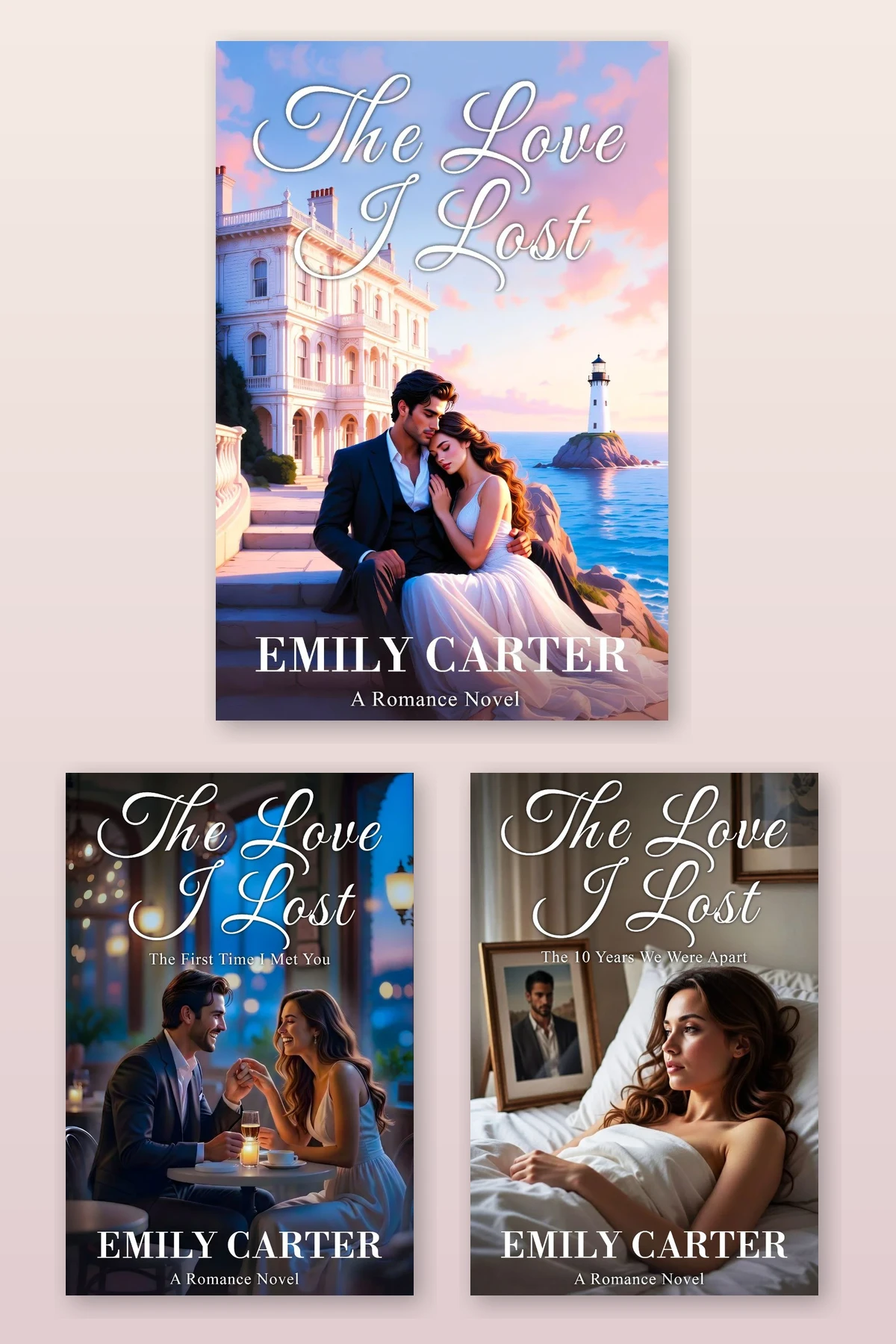
The complete Love I Lost trilogy — available now
10. Kulti by Mariana Zapata
Sal Casillas grew up idolizing Reiner Kulti. Then the retired German legend turns up as her assistant coach and proves to be cold, near-silent, and apparently contemptuous of everyone including her. Sal is loud, warm, surrounded by a chaotic family. Kulti is a closed door with a reputation attached. Mariana Zapata writes the slowest burn in the business, and this one earns its length by making every small thaw count, from a nod, to a full sentence, to something that eventually looks like devotion.
Read this if: you want the coldest hero on this list and the patience to watch him melt.
11. Well Met by Jen DeLuca
Emily Parker drifts into a small Maryland town, gets roped into volunteering at the Renaissance Faire, and runs straight into Simon Graham, who organizes it with the joyless precision of a man who has never let a rule slide. Then he puts on a pirate costume and becomes someone else entirely. Jen DeLuca gets enormous mileage out of the gap between Simon in a classroom and Simon in character, and Emily’s refusal to take either version too seriously is what cracks him open.
Read this if: you want small-town warmth and a hero who is two opposite people at once.
12. Bet Me by Jennifer Crusie
Min Dobbs is an actuary who prices risk for a living and has priced love accordingly. Cal Morrisey is charming, effortless, and used to being wanted. She overhears a bet involving her, decides to use him as a date for a month of family weddings, and the two spend the novel arguing about food, fate, and whether either can be trusted. Jennifer Crusie published this in 2004 and it still reads sharper than most of what followed, largely because Min’s practicality is never treated as a flaw that needs fixing.
Read this if: you want an older classic with a heroine who never apologizes for being difficult.
What Makes the Opposites Attract Trope So Addictive?
The opposites attract trope works because it puts character growth on a timer. Two compatible people can circle each other indefinitely without changing. Two incompatible ones cannot, because every scene forces somebody to defend a habit or drop it. That is why the best opposites attract romance books read less like a courtship and more like an argument that keeps escalating until it accidentally turns into a confession.
The psychology is more interesting than the cliché suggests. Researchers have never found solid support for the idea that people are drawn to their literal opposites, and similarity is the far more reliable predictor. What opposites attract romance novels actually dramatize is complementarity: meeting the person who carries the trait you refused to develop in yourself. The over-controlled character meets someone at ease with uncertainty; the guarded one meets someone who says it out loud. The appeal is not the difference. It is the permission.
Which is also why opposites attract romance books rarely stay in one lane. They overlap constantly with enemies to lovers, forced proximity, fake dating, and second chance, because each gives two mismatched people a reason to stay in the same room. That overlap is where Emilly Carter’s trilogy sits. Elena and Marcus are not a classic opposites attract romance by category, they are a second-chance story with a dual timeline, but the push and pull driving them is the one you came here for: a woman who solves everything by working, and a man who solves everything by waiting, each convinced the other’s method is what broke them.
FAQ
What is the opposites attract trope in romance?
It pairs two characters whose temperaments, values, or lifestyles are in direct conflict, then keeps them in proximity until the friction turns romantic. One is usually rigid and one is loose, one guarded and one open. The engine is that neither can stay as they are and still keep the other.
Why do readers love opposites attract romance books?
Because the tension is built into the people rather than bolted onto the plot. Nothing has to be contrived to keep two genuinely mismatched leads at odds, so every conversation carries stakes. When one of them finally bends, it reads as real change rather than a scheduled beat.
What is a good opposites attract romance book for beginners?
The Hating Game is the cleanest entry point: one setting, fast banter, unmistakable trope mechanics. The Unhoneymooners is nearly as accessible and lighter. If you want that clash inside a more emotional story, The Love I Lost pairs a guarded, work-driven heroine with a patient hero who waited a decade to speak.
Are opposites attract romance novels always enemies to lovers?
No, though the two overlap enough that readers conflate them. Enemies to lovers needs active hostility with a cause behind it. Opposites attract needs only incompatibility, which can be perfectly affectionate from page one. Beach Read and Icebreaker qualify without real enmity, while The Hating Game is genuinely both.
Is The Love I Lost trilogy an opposites attract romance?
Not by category. The trilogy is second chance with forced proximity and a dual timeline. The opposites element is real but lives in temperament rather than premise: Elena is guarded, driven, and allergic to depending on anyone, while Marcus is patient almost to his own cost. That push and pull runs through all three books.
If a guarded overachiever and the patient architect who waited ten years to tell her the truth sounds like your kind of collision, the full trilogy is in the shop.
You Might Also Love
- Romance Tropes Every Reader Should Know
- Enemies to Lovers Books
- Friends to Lovers Romance Books
- What Is Slow Burn Romance?
- the grumpy sunshine trope
- Fake Dating Romance Books
- What Is Fake Dating Romance?
Emilly Carter is the author of The Love I Lost trilogy, available now.