
Fake dating works because it hands two people a permission slip. Officially, none of it is real: not the hand-holding, not the pet names performed for a watching family, not the shared hotel room booked under someone else’s name. Unofficially, two characters who would never admit to wanting any of that get to live inside a rehearsal for it, night after night, until the line between the performance and the actual feeling disappears. Almost no other trope lets readers watch a couple fall in love while both of them insist, loudly and often, that nothing is happening.
This guide covers what the fake dating trope actually means, why it works so reliably on readers, the different shapes it takes across romance, how it differs from the tropes it gets confused with, and twelve books that use it best.
What Is the Fake Dating Trope?
The fake dating trope is when two characters agree, usually under some real-world pressure, to perform a relationship that isn’t real. The pressure is almost always external: a family member who won’t stop asking, a work situation that needs a plausible cover story, a wedding that requires a date, a career that can’t survive a certain rumor. The agreement itself is the important part. Someone proposes it, someone accepts it, and from that point on the two of them are operating under a set of rules neither one wrote to actually be followed.
That’s the fake dating trope in one sentence: two people rehearsing a version of a relationship neither will admit they want, until the rehearsal turns out to be the real thing. It’s different from a slow burn, where feelings simply take time to surface on their own. Fake dating needs an excuse, a manufactured reason for two people to hold hands, introduce each other as partners, and stand closer than friends would, that doesn’t already exist between them. The excuse is the whole point. It’s what lets both characters do things they’d never risk doing for real, until doing them enough times stops feeling like acting.
What Makes the Fake Dating Trope So Addictive?
The first reason is the permission structure. In most romance, someone has to be first: first to reach for a hand, first to risk a rejection. Fake dating removes that risk, because officially none of it counts. A character can hold their fake partner’s hand at a wedding, call them “babe” in front of coworkers, or share a hotel room, and none of it is supposed to mean anything. Readers know better. Watching two people use a loophole to get the closeness they’d never ask for honestly is where most of the tension in this trope lives.
The second reason is the audience inside the story. A fake relationship rarely stays private. Family believes it, coworkers gossip about it, a tabloid runs with it, and that outside belief pushes the two leads to keep escalating the performance: a bigger lie, a more convincing kiss, a gift too thoughtful for something fake. Every escalation the story forces on them is one neither of them planned to survive with their feelings intact.
The third reason sits underneath the other two. A fake relationship is a stalling tactic against the one thing every romance is really about: the terror of being known. As long as it’s fake, a character never has to find out whether the person who’s seen them at their most performative would still want them for real. The fake front was never protecting the couple from each other. It was protecting them from finding out the truth too soon. The trope pairs constantly with its close cousin, forced proximity, because the same pressure that keeps two people performing a relationship also keeps them in the same house, car, or hotel room while they do it.
The Subtypes of Fake Dating Romance
The agreement is always the same shape. What changes is who’s asking, and why.
Contract dating. Two characters draft actual rules for the fake relationship, usually because one of them has been burned before and wants firm boundaries. The rules exist to be broken, one violation at a time.
Wedding-window fake dating. The fake relationship has a hard deadline, a single event like a wedding, and ends the moment it’s over. The compressed timeline forces intimacy fast: shared travel, a hotel room, a guest list asking pointed questions.
Family-pressure fake partner. One character’s family won’t stop pushing for a partner, and the fastest fix is producing one, often a near-stranger recruited on short notice. This subtype leans hardest into comedy, because the fake partner usually has no idea what they’ve signed up for.
Mutual-bargain fake dating. Both characters get something concrete out of the arrangement: a favor, a fixed problem, leverage over someone else. Neither is doing the other a charity, which makes the real feelings land as a complication nobody budgeted for.
Public-eye fake dating. Cameras, reporters, or social media force the relationship into being, sometimes starting as an accidental cover story that only becomes an agreement once it’s public. The pressure comes from strangers rather than family, and the stakes are usually a career, not a holiday dinner.
Fake Dating vs Other Tropes
Fake dating and forced proximity overlap constantly but aren’t the same thing. Forced proximity is about circumstance, a storm, a shared lease, a single hotel room, that traps two people together whether they like it or not. Fake dating is about agreement; someone has to say yes to the arrangement. A book can have forced proximity without any pretending at all, or fake dating between two people who see each other only occasionally for the performance. When a story has both, the fake relationship usually escalates faster, because there’s nowhere for either character to retreat and cool off.
Fake dating also gets confused with marriage of convenience, and the difference is scale. Fake dating is typically short and reactive: an event, a rumor, a specific ask with an end date attached. Marriage of convenience is a longer, often legally binding arrangement, usually built around money, immigration status, or a family estate, that’s harder to walk away from. Both run on the same engine, a “not real” cover story that slowly stops being true, but marriage of convenience raises the stakes and removes the easy exit fake dating usually has.
And fake dating sometimes shares a book with enemies to lovers, when the two people forced into the arrangement can’t stand each other going in. That combination isn’t required; plenty of fake dating books start with strangers or friends. But when the fake couple starts as rivals, the performance becomes a second layer of conflict: convincing everyone around them they’re in love while barely tolerating each other in private, exactly the tension this trope was built to deliver.
The Best Fake Dating Romance Books to Start With
Here are twelve books that use the fake dating trope in genuinely different ways, from a handwritten contract to a rumor neither of them can outrun.
1. To All the Boys I’ve Loved Before by Jenny Han
Lara Jean Covey’s secret love letters get mailed to every boy she’s ever had a crush on, and the fastest way to survive the fallout is to fake-date one of them, family friend Peter Kavinsky. They draft actual rules: no real kissing, no real feelings, strictly a performance for an audience of exes and gossiping classmates. Han wrote the contract-dating blueprint half the books on this list are still working variations on, right down to the moment a fake boyfriend starts remembering exactly how you take your coffee.
Read this if: you want the original written-rules version of this trope, the one everything else gets compared to.
2. The Love I Lost by Emilly Carter
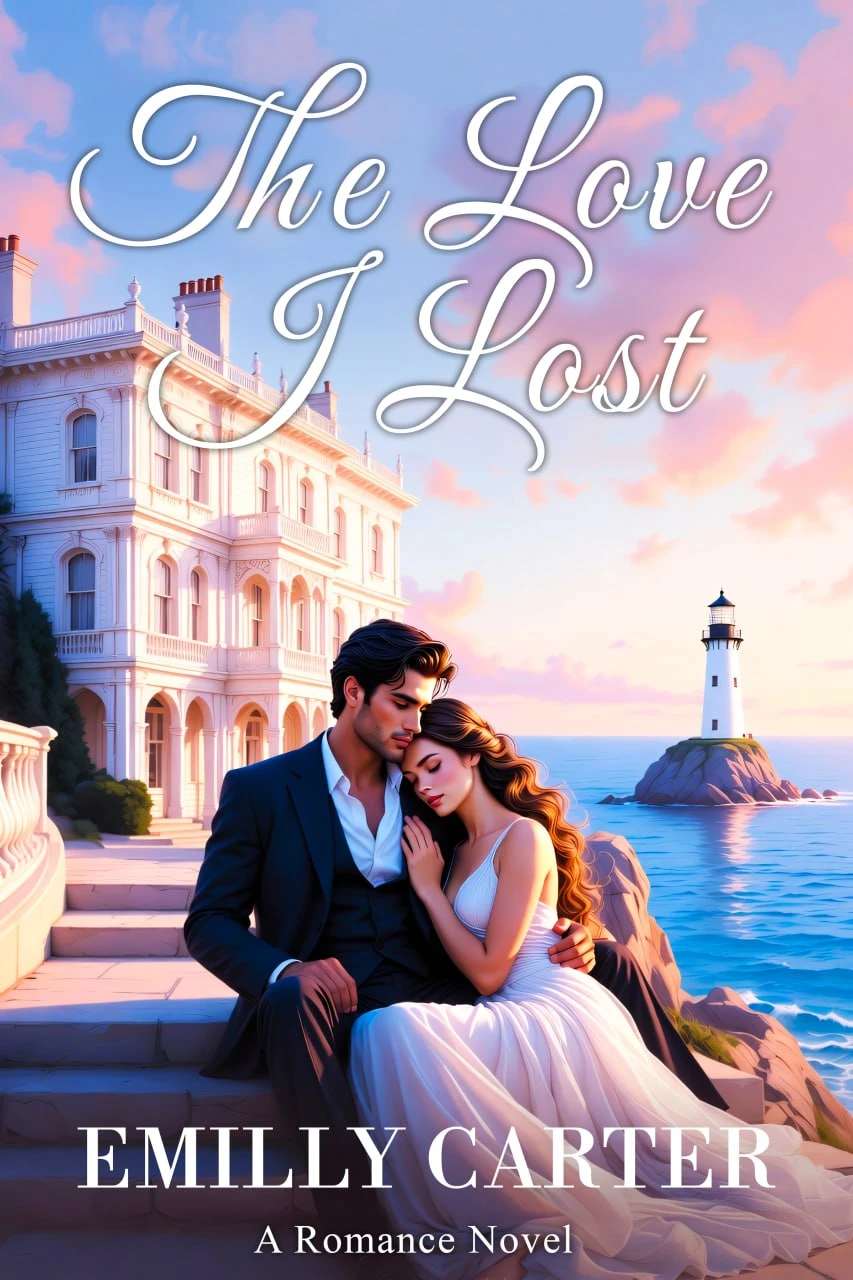
Full honest disclosure: Elena Reyes and Marcus Sullivan never sign a contract or perform for an audience. What they do is a quieter cousin of the same trap. Inn owner Dorothy Whitmore hires them both to restore her crumbling Maine Victorian without telling either one that reuniting them was the actual plan, so for months they maintain a strictly professional front over a decade of unfinished business neither will name out loud. It’s not a fake relationship performed for other people. It’s a real one denied to themselves, which asks the same question fake dating always asks: how long can two people keep insisting nothing is happening before the insisting becomes the lie.
Read this if: you’re here for the “we’re definitely not doing this” denial more than the fake contract itself.
3. The Spanish Love Deception by Elena Armas
Catalina Martín told one lie to get her overbearing family off her back: that she has a boyfriend for her sister’s wedding in Spain. The lie needs a body fast, and the only person available is Aaron Blackford, the coworker she can’t stand. A plane ride, a shared hotel room, and a wedding full of nosy relatives later, the two people worst-suited to pretend to be a couple turn out to be far too good at it. It’s the clearest example of the wedding-window subtype paired with real enemies-to-lovers heat underneath.
Read this if: you want your fake dating with a full side of enemies-to-lovers tension.
4. The Unhoneymooners by Christina Lauren
Olive Torres and her sworn nemesis Ethan Thomas are the only two wedding guests not sworn off romance, which is why they end up on a hijacked honeymoon in Hawaii, posing as newlyweds to protect her sister’s insurance claim. One resort, one week, one shared identity, and zero backup plan for when the fake-married cover story stops feeling like a cover story. It’s the funniest wedding-window entry on this list, without ever losing the ache underneath the jokes.
Read this if: you want laugh-out-loud fake dating with real emotional stakes underneath.
5. The Dating Playbook by Farrah Rochon
Personal trainer Taylor Powell needs the client fee former NFL player Jamar Dixon is offering, and Jamar needs total secrecy so the press doesn’t speculate about his comeback. When a reporter catches them together, Taylor blurts out the first cover story she can think of: they’re dating. What starts as one panicked lie turns deliberate fast, complete with an actual “dating playbook” of rules they co-write to keep the story straight. It’s the cleanest public-eye subtype here, an accidental lie that becomes a fully negotiated agreement.
Read this if: you want to watch a spur-of-the-moment cover story turn into a rulebook neither of them can follow.
6. The First Time I Met You by Emilly Carter
Long before the storm and the decade of silence, Marcus was already the quiet one, careful with his words in a way that made people wonder what he wasn’t saying. This prequel goes back to the college campus where he and Elena first fell for each other, before Sarah Chen manufactured their breakup and neither of them found out for ten years. There’s no fake relationship here either, but there’s a version of the same ache: two people performing normalcy at graduation, at goodbyes, at every moment they should have said something true and didn’t, each one convinced the other had simply stopped loving them.
Read this if: you’re more interested in the gap between what a couple says and what they’re actually feeling than in the fake contract itself.
7. The Deal by Elle Kennedy
Hannah Wells needs Garrett Graham’s help; her crush is dating a hockey groupie and she needs to look like she’s moved on. Garrett needs Hannah’s help too; he’s failing English and can’t afford to lose his eligibility before nationals. The deal: pretend to date, help each other’s real problems, keep it strictly business. It does not stay strictly business. It’s the cleanest mutual-bargain premise on this entire list.
Read this if: you want fake dating built on a genuinely mutual, high-stakes trade, not a favor one person owes the other.
8. The Charm Offensive by Alison Cochrun
Dev Deshpande has produced America’s favorite dating show for years without a hitch, until this season’s leading man, tech founder Charlie Winshaw, freezes on camera every time a producer asks him to be charming. Dev’s job is to fix that fast, which means faking a spark between them for the cameras while trying to ignore the one actually happening off camera. It’s a public-eye fake dating book that takes the reality-TV premise seriously instead of playing it for laughs.
Read this if: you want fake dating with a reality-show fishbowl and real stakes for both leads.
9. The 10 Years We Were Apart by Emilly Carter
By book three, the truth about the decade Elena and Marcus lost has finally surfaced, and the question becomes whether a man built around composure can actually stay open once the crisis that cracked him has passed. There’s still no fake relationship to unravel here, just the last of the professional distance both of them have been performing since page one, with the unsent 1915 letters found in the inn’s attic mirroring their own manufactured heartbreak almost exactly. If what you love about fake dating books is the moment the performance finally cracks for good, this is that moment stretched across an entire trilogy.
Read this if: you want the payoff after the pretending, fake or otherwise, finally, completely ends.
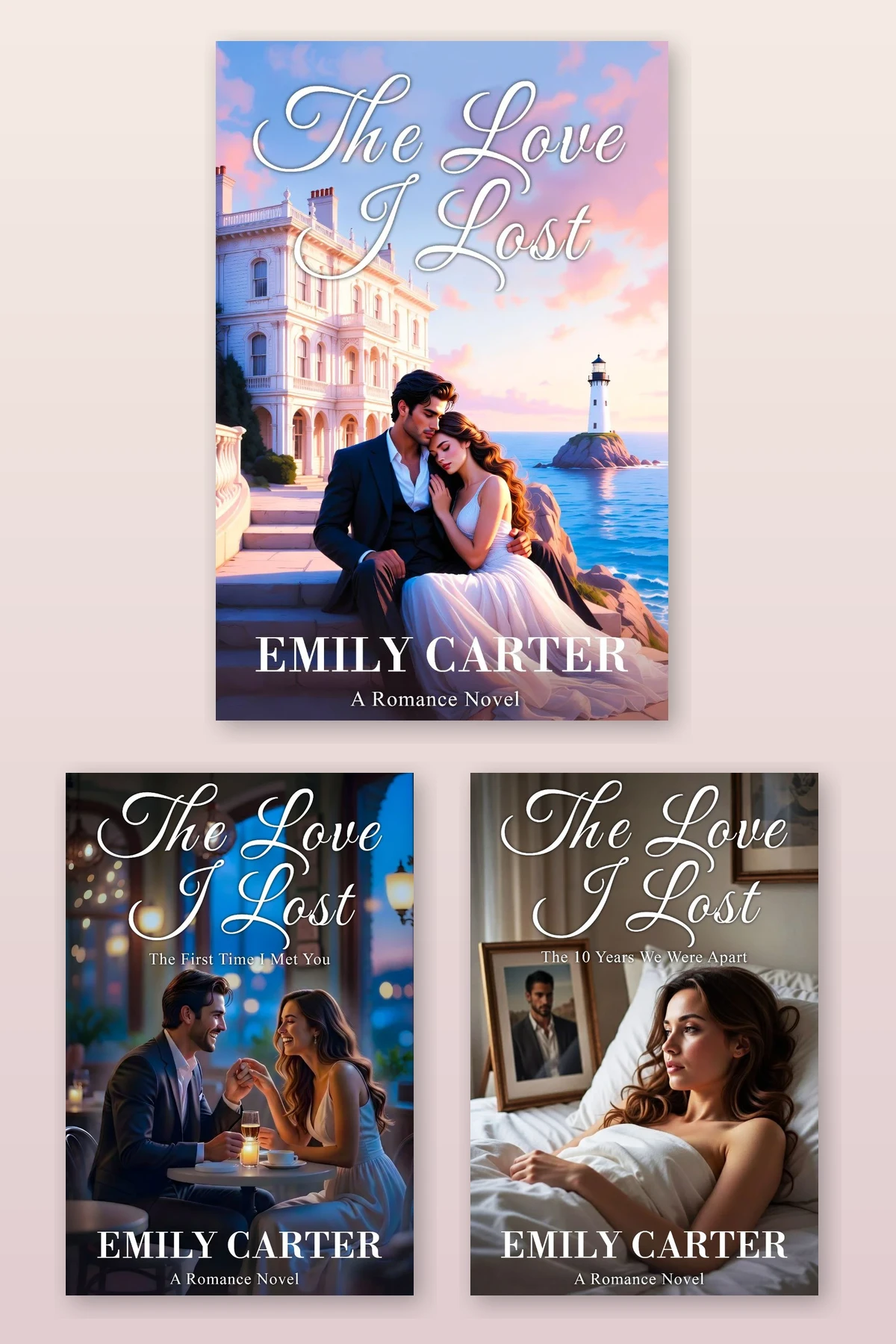
The complete Love I Lost trilogy — available now
10. Boyfriend Material by Alexis Hall
Luc O’Donnell’s tabloid-magnet love life needs a rebrand fast, so his publicist finds him the most boring, respectable man in London: Oliver Blackwood, a barrister who volunteers at an owl sanctuary on weekends. Fake dating a man built entirely of green flags should be easy. It is not, mostly because Oliver is nowhere near as boring as advertised. It’s the family-pressure subtype dressed up as a publicity fix, and one of the warmest entries on this whole list.
Read this if: you want fake dating with the wittiest banter and the most reluctant convert to “actually, this is nice.”
11. The Fiancée Farce by Alexandria Bellefleur
Tansy Grant invents a fake girlfriend to get her overbearing family off her back, except this time the lie has a face attached to it: Gemma Wright, a near-stranger who agrees to play along at a family wedding in Ireland. What starts as a favor between two people who barely know each other turns into an entire relationship’s worth of inside jokes in the span of one very long trip. It’s the family-pressure subtype at its most sincere.
Read this if: you want your fake engagement with genuine strangers-to-something-real chemistry.
12. Faking It by Cora Carmack
Max Milligan has spent years being the good girl her parents expect, and she is exhausted by it. The fastest fix is showing up to family dinner with the least appropriate boyfriend imaginable, which is how she recruits a total stranger, tattooed musician Cade, off the street to play the part. One dinner’s worth of scandal turns into something neither of them planned for, messier and funnier than most family-pressure fake dating books manage.
Read this if: you want your fake boyfriend to be a total stranger, not a friend-of-a-friend doing you a favor.
Frequently Asked Questions
What is the fake dating trope in romance?
The fake dating trope is when two characters agree to pretend to be a couple, usually because of family pressure, a work situation, or a specific event, and develop real feelings along the way. It runs on an external excuse for closeness, hand-holding, meeting the parents, sharing a room, that neither character would risk asking for honestly.
Why is the fake dating trope so popular?
Because it solves the hardest problem in a romance novel without either character having to be brave first. Neither one has to risk real rejection, since officially none of it is real, which lets readers watch two people build actual intimacy under the cover of a lie neither of them wrote to be believed.
What’s the difference between fake dating and forced proximity?
Forced proximity is about circumstance, something outside either character’s control that traps them together. Fake dating is about agreement, someone has to propose the arrangement and someone has to say yes. The two tropes pair constantly, but a book can have one without the other.
Is fake dating the same as marriage of convenience?
No. Fake dating is usually short and tied to a specific event or reason, with a clear end date. Marriage of convenience is a longer, often legally binding arrangement, typically built around money, immigration, or family obligation, that’s harder for either character to walk away from.
What’s a good fake dating romance book to start with?
For the classic written-rules version, start with To All the Boys I’ve Loved Before by Jenny Han. For a steamier, adult take with enemies-to-lovers heat, try The Spanish Love Deception by Elena Armas. And if you want to see the fake dating trope’s exact emotional payoff, minus the fake contract, The Love I Lost by Emilly Carter delivers the same ache stretched across an entire trilogy.
You Might Also Love
- Fake Dating Romance Books
- What Is Forced Proximity Romance?
- Opposites Attract Romance Books
- Romance Tropes Every Reader Should Know
- Best Enemies to Lovers Books
Find the Fake Relationship Worth Making Real
The fake dating trope endures because it lets readers watch two people fall for each other while both of them insist, out loud, that nothing is happening. If what you want is that exact ache, minus the contract and the rulebook, The Love I Lost spends three books proving that the hardest lie to keep telling is the one about your own feelings.
Emilly Carter is the author of The Love I Lost trilogy, available now.