
Ask a romance reader what they want next and they rarely name an author. They name a shape: enemies to lovers, second chance, something slow enough to hurt. Tropes are how this genre organizes feeling, and knowing which ones work on you is the fastest route to a book you finish in one sitting.
1. Enemies to Lovers
Two people who cannot stand each other, thrown together by circumstance, until the friction turns into something neither will name first. The psychology is ruthless: hostility and attraction run on the same wiring. Raised heart rate, hyperawareness of where the other person is standing, the compulsion to win their attention. The body cannot always tell the two apart, and a good author lives in that gap for three hundred pages. Sally Thorne’s The Hating Game remains the modern benchmark. Lucy and Joshua share an office, a promotion they both want, and a set of petty games that read as warfare until you notice they are the only person either of them thinks about all day. The elevator scene earned this book its reputation, and it deserves it.
Read this if: you want the tension built from insults instead of confessions.
If that is your flavour, we have a much longer roundup of the best enemies to lovers romance books.
2. Second Chance Romance
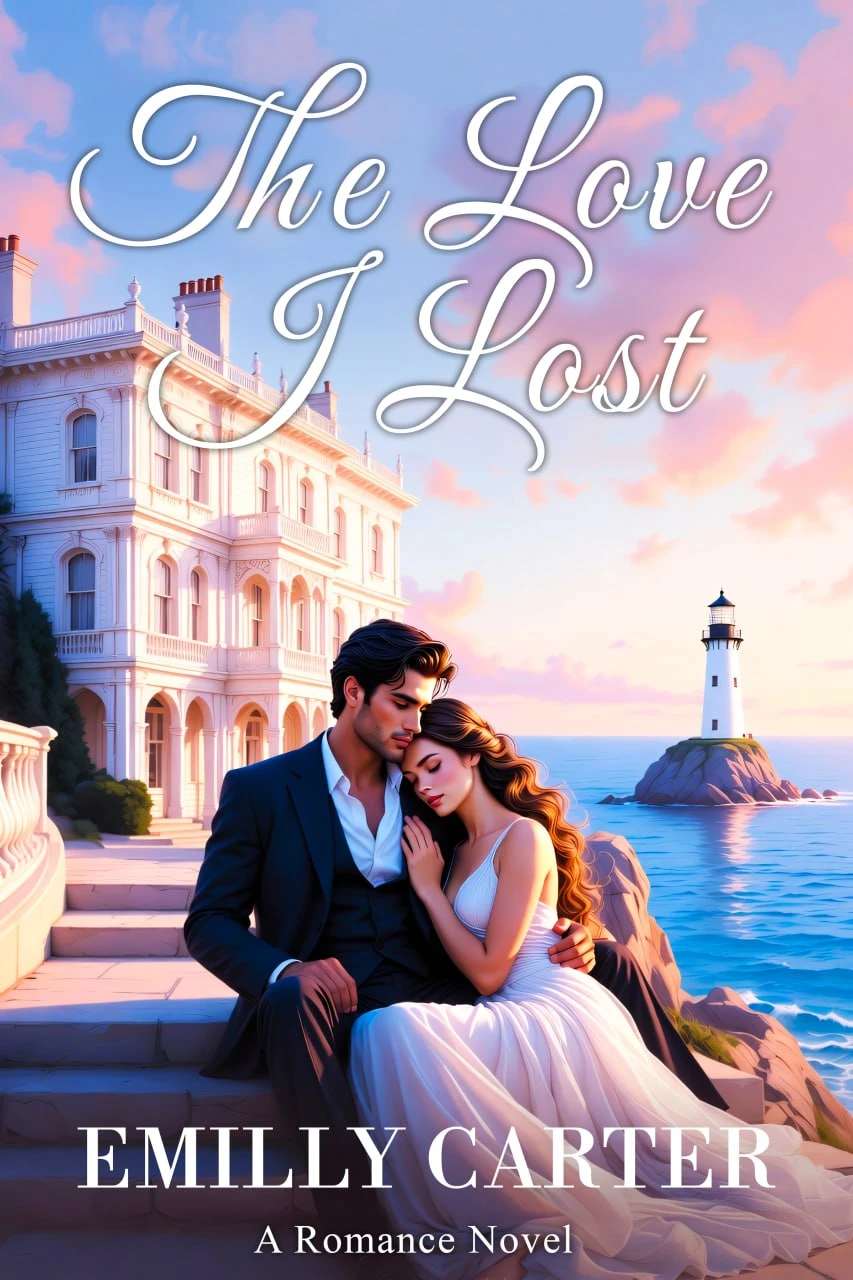
Second chance romance runs on a specific ache: it already worked once. These two were not incompatible. They were interrupted, by timing, by distance, by a lie somebody else told well. That is why the trope lands harder than a first meeting. The reader arrives already convinced and spends the book watching two adults decide whether ten years of silence is a wall or a door. Emilly Carter’s The Love I Lost puts Elena Reyes and Marcus Sullivan back in one room a decade after a breakup neither of them chose. She is the designer restoring the Harborview Inn on the Maine coast. He is the architect on the same job. Then a storm closes the roads for three days, which is exactly long enough for the truth to surface. It ends at a lighthouse. The full list of second chance romance books has more.
Read this if: you believe the right person at the wrong time deserves a better ending.
[BOOK1_COVER_IMAGE]
3. Slow Burn
Slow burn is a trope about restraint. The two leads want each other early, and the author refuses to let them have it, stretching the distance until every accidental touch carries the weight of a whole chapter. It works because anticipation is chemically more interesting than resolution. Emily Henry’s Beach Read is the literary version: January and Gus are neighbours on a Michigan lake, both blocked writers, both circling grief, and they spend a summer trading genres and getting closer by degrees. Henry withholds beautifully. By the time anything happens, you have been holding your breath for two hundred pages.
Read this if: you would rather wait three hundred pages than be handed anything early.
Our full slow burn romance books list is built for exactly this mood.
4. Fake Dating
A pretend relationship, agreed to for practical reasons, that neither party can keep pretend. The appeal is permission. Fake dating gives two people a script that lets them touch, flirt, and act devoted without admitting they want to, and then strands them with the feelings they generated. Christina Lauren’s The Unhoneymooners runs the premise at full speed. Olive takes her sister’s Maui honeymoon after the entire wedding party gets food poisoning, and the only other survivor is Ethan, the man she cannot stand. They have to perform newlywed bliss for a week. The performance stops being one somewhere around day three.
Read this if: you like watching people lie to everyone except themselves, badly.
5. Grumpy/Sunshine
One of them is warmth, chaos and unearned optimism. The other is a closed door. The trope works because it dramatises something readers recognise from real life: being loved by someone who is not warm to anyone else is a status symbol of the heart. Sarah Adams writes it cleanly in Practice Makes Perfect, where Annie, a small town florist with a reputation for being sweet, asks Will, a bodyguard built entirely out of scowls, to teach her how to be less easy to overlook. He is terrible at pretending he does not care. That is the whole pleasure.
Read this if: you want one person’s softness to be reserved for exactly one other person.
6. Small Town Romance
Small town romance is less about location than about consequence. In a town of two thousand people, there is no anonymity, no ghosting, no clean exit. Everyone knows, everyone comments, and the relationship has to survive an audience. That constraint is the engine. Jen DeLuca’s Well Met uses a Renaissance faire in the fictional Willow Creek as its stage. Emily signs up to chaperone her niece, ends up in a corset, and spends the summer sparring with Simon, the exacting schoolteacher who runs the whole thing and is a great deal more interesting in a pirate shirt.
Read this if: you want community, casseroles, and absolutely no privacy.
There are eleven more in our small town romance books guide.
7. Friends to Lovers
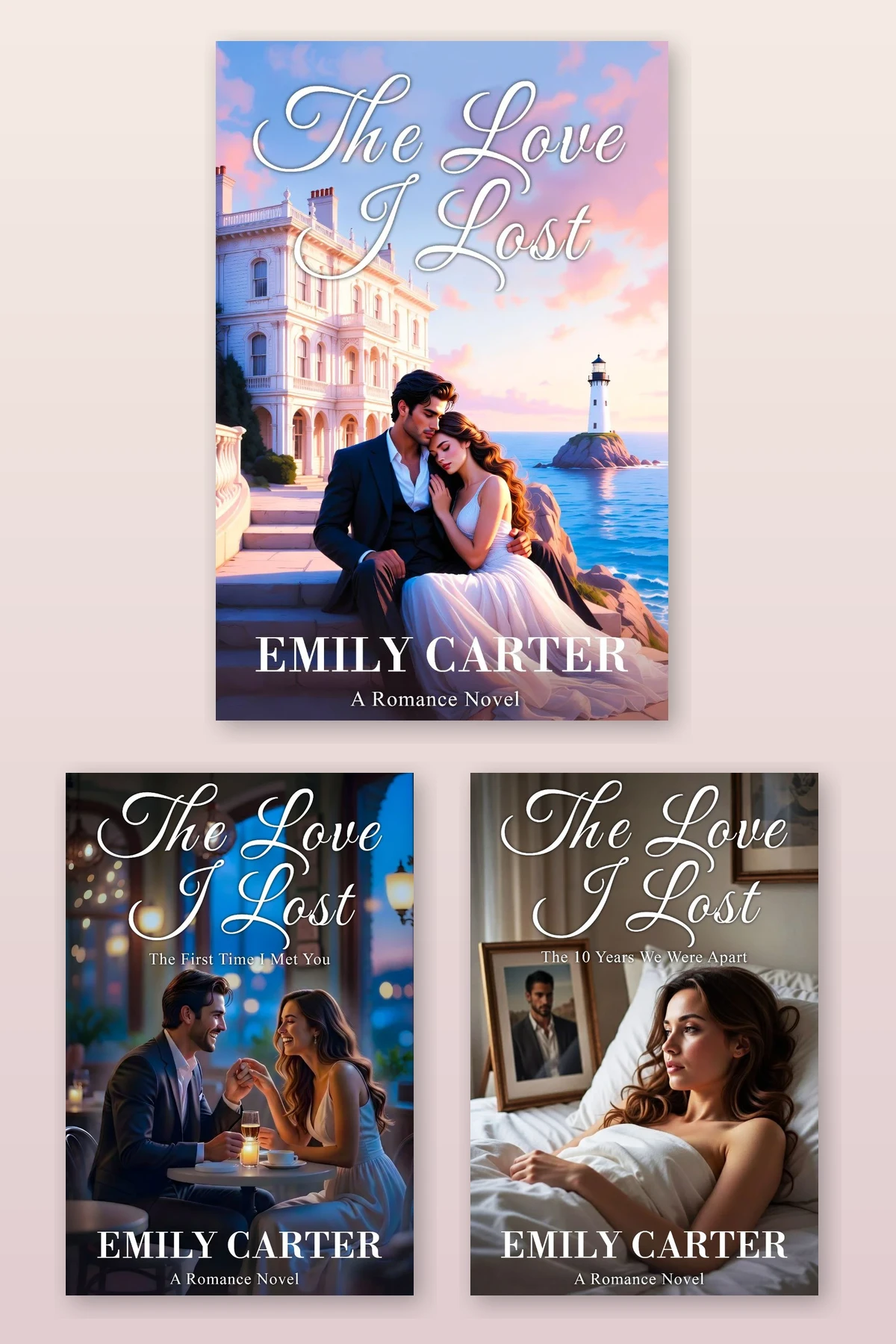
Friends to lovers is the trope with the most to lose. Strangers risk embarrassment. Friends risk the person who already knows everything about them, which is why the confession scene in a good friends to lovers book reads like a held breath. Emilly Carter’s The First Time I Met You is the origin half of the trilogy, and it earns its place here. Elena and Marcus meet in college, before the careers, before the damage, and become the kind of friends who have their own vocabulary. She sketches rooms she cannot afford to build. He draws buildings that will not exist for years. Neither of them says the thing for a long time, because saying it costs the friendship, and the friendship is the best thing either of them has. When it finally lands, it reframes everything you thought you knew about their ending. Start with our list of friends to lovers books if this is your trope.
Read this if: you want the love story to be built out of years, not weeks.
8. Forbidden Love
Forbidden love needs a rule worth breaking. A family loyalty, a professional line, a promise made to someone else. The trope works because obstacles raise perceived value: what costs something to have feels like it matters more. Ana Huang’s Twisted Love is the current genre favourite for a reason. Alex Volkov is cold, controlled, and quietly responsible for keeping Ava Chen safe as a favour to her brother, his best friend. Wanting her breaks the one promise he has kept for years. Huang lets him break it slowly and then all at once. The appeal is not the rule. It is the moment someone decides you are worth the cost.
Read this if: you want the guilt to make the wanting louder.
More of the same in our forbidden romance books collection.
9. Forced Proximity
Trap two people in one space and remove the exit. A snowed-in cabin, a shared hotel room, a job that puts them side by side for months. Forced proximity works because intimacy is mostly exposure. You cannot maintain a defence around someone who sees you tired, hungry, and unguarded every day. Mariana Zapata’s Kulti is the long form master class: Sal Casillas is a professional footballer, and the retired legend she idolised as a child arrives as her assistant coach. Practice, travel, injuries, hundreds of small forced hours. Zapata takes six hundred pages to do it, and every one of them counts.
Read this if: you want no escape route for either of them.
We collected the best of them in forced proximity romance books.
10. Opposites Attract
Two people whose defaults contradict each other, forced to translate. The trope satisfies because it argues something we want to be true: that being understood does not require being similar. Helen Hoang’s The Bride Test is the tender version. Khai is autistic and has concluded, from evidence he trusts, that he cannot feel love. Esme arrives from Vietnam with a summer to change his mind and reasons of her own for coming. She is all momentum, he is all system, and Hoang refuses to make either of them the problem to be fixed. It is one of the kindest books in the genre.
Read this if: you want a love story where nobody has to change who they are.
11. Workplace Romance
Workplace romance has stakes built in. Careers, reputations, the awkward reality of seeing someone at nine in the morning after a bad night. The trope works because it puts ambition and desire in direct competition and makes the characters choose in public. Jasmine Guillory’s Party of Two raises the stakes to political. Olivia is building her own law firm in Los Angeles. Max is a sitting senator, which makes their relationship a scheduling problem, a press liability, and a genuine test of whether two ambitious people can make room. Guillory writes adults with jobs they care about, which is rarer than it should be.
Read this if: you want two competent people negotiating a life, not just a romance.
12. Dual Timeline / Hidden Letters
Dual timeline romance runs two love stories at once and lets them comment on each other. The past storyline knows how it ends. The present one does not. That asymmetry creates dread and hope in the same paragraph. Emilly Carter’s The 10 Years We Were Apart closes the trilogy by filling in the decade of silence between Elena and Marcus, and it does it through a device hidden in the walls of the Harborview Inn: a bundle of letters between William Whitmore and Catherine Ashworth, written between 1892 and 1915 and never sent. Their story rhymes with the modern one closely enough to be uncomfortable. Reading what two people lost by staying silent is what finally makes Elena and Marcus speak. Our dual timeline romance books list has more in this shape.
Read this if: you want a historical thread and a modern one to solve each other.
[TRILOGY_BUNDLE_IMAGE]
The complete Love I Lost trilogy — available now
13. Love Triangle
A love triangle is a choice made visible. Two options, two versions of a life, and a protagonist who has to declare what she actually values. Done badly it is indecision. Done well it is characterisation, because the choice tells you who she is. Nicholas Sparks built The Notebook on it. Allie has Noah, who is poor, intense and inconvenient, and Lon, who is decent, wealthy and safe. The novel refuses to make Lon a villain, which is what gives the ending its weight. She is not escaping a bad option. She is choosing the truer one.
Read this if: you want the choice itself to be the emotional climax.
14. Secret Relationship
A relationship nobody else is allowed to know about compresses everything. Every meeting is stolen, every touch is timed, and the constant risk of exposure keeps the emotional volume high without the author manufacturing conflict. Sarina Bowen and Elle Kennedy’s Him is the standout. Jamie and Ryan were hockey teammates and best friends until something happened and the friendship ended. Four years later they are coaching at the same summer camp, sharing a cabin, and whatever restarts between them has to stay inside those walls. The secrecy is not a plot device here. It is the thing they both have to outgrow.
Read this if: you want every scene to carry the risk of being caught.
15. Marriage of Convenience
A partnership formed for practical reasons that quietly becomes real. Inheritance, immigration, custody, a mortgage, a promise to a dying relative. The trope works in reverse of most romance: commitment comes first and feeling has to catch up, which makes every small domestic moment a proof point. Mariana Zapata’s Wait for It works that same logic. Diana is raising her late brother’s two boys, running on obligation and very little sleep, when Dallas becomes a fixture in a life she did not plan. Nothing is declared for a very long time. The relationship is built out of school runs, repairs and showing up, which is the honest version of how it happens.
Read this if: you want commitment first and feelings second.
16. Single Parent Romance
Single parent romance raises the cost of a bad decision. A new partner is not just a risk to the protagonist, they are a risk to a child, so every step forward has to be earned twice. The payoff is a specific kind of tenderness: watching someone choose the whole package, not just the person. Sarina Bowen writes this with her usual restraint in Anchored, where responsibility comes before romance and the love story has to fit around a life that is already full. It is quieter than most books on this list and it lands harder for it.
Read this if: you want the romance to include the whole family, not just the couple.
Why Romance Readers Sort by Trope
A trope is not a formula. It is a promise about the emotional experience you are signing up for, and romance is the only genre honest enough to advertise it up front. Thriller readers do not get told in advance whether the ending is bleak. Romance readers know the ending is happy, which frees them to choose the route instead of the destination.
That is why searches for a romance tropes list outnumber searches for most individual authors. Readers are shopping for a feeling. Someone in the mood for longing will not be satisfied by a book that delivers heat in chapter two, no matter how good it is. The different types of romance tropes are really different emotional mechanisms: proximity produces exposure, secrecy produces urgency, second chances produce grief and repair. Naming the mechanism is how you find the right book in under a minute.
The best romance tropes also stack. The Love I Lost is second chance plus forced proximity plus a slow burn, and it works because those three reinforce the same pressure. The trilogy as a whole runs friends to lovers in book two, the dual timeline in book three, and the reunion in book one, which is another way of saying most good romance novels are two or three tropes braided together. Learn to spot the combination and you stop guessing at blurbs. You start predicting whether a book will do what you want it to do.
Frequently Asked Questions About Romance Tropes
What are the most popular romance tropes?
Enemies to lovers, second chance, slow burn, friends to lovers and forced proximity dominate reader demand year after year, with grumpy/sunshine and fake dating close behind. Popularity tracks emotional intensity rather than plot novelty. The tropes that win are the ones that generate the longest stretch of wanting before anyone gets anything, which is why slow burn appears inside almost all of them.
What romance trope should I read first?
Start with the emotion you want, not the setup. If you want tension, read enemies to lovers. If you want ache, read second chance. If you want comfort, read small town. Readers new to the genre often do best with second chance romance, because the emotional stakes are established on page one. The Love I Lost is built exactly that way.
What is the difference between a trope and a cliché?
A trope is a structure. A cliché is a lazy execution of one. Enemies to lovers is a trope; two characters who hate each other for no stated reason and reconcile in a single paragraph is a cliché. The same setup can produce either result, which is why readers keep returning to familiar tropes from authors they trust.
Can one book have more than one romance trope?
Almost every book does. Most romance novels braid two or three together, with one carrying the structure and the others adding pressure. The 10 Years We Were Apart runs a dual timeline, a second chance and a hidden-letters mystery at the same time. When you are browsing a romance tropes list, look for the combination rather than the single label.
Which romance tropes work best for readers who want a real emotional payoff?
Second chance, friends to lovers and slow burn deliver the deepest payoff, because all three spend most of their length building unresolved history before anything is said out loud. Tropes with fast setups (fake dating, forced proximity) tend to deliver charm and heat quickly. If you read for the moment that makes you put the book down, pick the slow ones.
If any of these tropes sound like your kind of ache, the whole trilogy is waiting: second chance, friends to lovers and dual timeline, one storm-battered inn on the Maine coast. Browse the books.
You Might Also Love
- Best Romance Series
- Romance Book Recommendations
- What Is Slow Burn Romance?
- Books Like Colleen Hoover
- Opposites Attract Romance Books
- What Does HEA Mean in Books
- What Is Contemporary Romance
- Romance Genres
Emilly Carter is the author of The Love I Lost trilogy, available now.