
Spend ten minutes reading romance reviews and you will see it everywhere. “The MMC is a golden retriever.” “FMC deserved better.” “Morally grey MMC, obsessed with her, five stars.” If you have been nodding along without being completely sure, you are in good company. So what does MMC mean in books, and why has a three-letter abbreviation become the first thing readers want to know about a romance?
The short answer: MMC means male main character. In a romance, that is the hero, the love interest, the person the whole story is trying to get the heroine to (or away from). This guide covers the MMC meaning, the FMC meaning, the hero types you will see in reviews, and twelve books sorted by the kind of MMC you get, so you can pick your next read by the man at the center of it.
What Does MMC Mean in Books?
MMC stands for male main character. In most romance novels there are two main characters, and the MMC is the male lead of the central couple. Readers use it instead of “hero” for a practical reason: plenty of MMCs are not heroic at all, and the whole point of some books is that he is not.
That is really all the MMC meaning covers. It says nothing about whether he is kind, cruel, brooding or ridiculous. It only tells you his role. The adjectives that come after it are where the actual information lives, which is why reviews rarely say “the MMC” on its own. They say “the grumpy MMC” or “the MMC falls first,” and that second half is what readers are shopping for.
If you have ever searched “what does MMC mean” and landed on memory cards or medical terms, that is the same letters doing a different job. In a book review, it is always the male lead.
What Does FMC Mean in Books?
FMC stands for female main character, the heroine. Put the two together and the FMC and MMC meaning is simply the two leads of the love story. In romance with two heroines, you will often see FMC used for both. In romance with two heroes, MMC does the same.
A few relatives show up in the same reviews:
MC: main character, used when a book has one clear lead.
OMC and OFC: other male character and other female character. Usually the rival, the ex, or the person the FMC dates before she realises who she actually wants.
Book boyfriend: an MMC a reader loves so much he has become a personal standard. Every reader has at least one.
So when you are asking what does FMC mean in books, the answer is the heroine. The interesting part is the same as with the MMC: what kind of heroine, and what kind of story her choices create.
The MMC Types You Will See in Reviews
Most romance tropes are built around the couple, but a surprising number are really built around him. These are the labels that come up most.
The grumpy MMC. Short answers, closed off, soft only for her. The engine of every grumpy sunshine romance.
The golden retriever MMC. Openly delighted by the FMC, loyal, enthusiastic, allergic to playing it cool. The inverse of the grump.
The cinnamon roll MMC. Too good for this world, too pure for it too. A cinnamon roll character is gentle all the way through, and his kindness is the point rather than a twist.
The morally grey MMC. He does bad things for reasons the book asks you to understand. Morally grey characters are the backbone of dark romance and most romantasy, and the arguments about where the line sits are half the fun.
The MMC who falls first. Readers love knowing he was gone for her before she noticed him. “He falls first” is a tag readers search for by name.
The MMC who waited. The rarest and, for a certain kind of reader, the most devastating. He loved her, lost her, and never really stopped. This is the hero of second chance romance and slow burn, and he is the reason this guide exists on this particular website.
Why Readers Care So Much About the MMC
Romance readers will forgive a lot. A thin plot, an unlikely setting, a villain who makes no sense. What they will not forgive is an MMC they do not believe. If the book cannot make you understand why she would choose him, nothing else works, because the entire promise of the genre is that this is the right person.
That is also why the MMC is where readers disagree most. One reader’s protective is another’s possessive. One reader’s brooding is another’s emotionally unavailable. When someone asks what does MMC mean in books, what they are usually really asking is how to read the shorthand in a review before they commit twenty hours to a man they might not like.
And the best MMCs change. The ones readers remember longest are not the ones who start perfect. They are the ones the story forces to become worth choosing.
12 Books Sorted by the MMC You Get
Each entry names the MMC type first, so you can skip straight to your kind of hero. No major plot spoilers, apart from what the books’ own covers and blurbs give away.
1. Pride and Prejudice by Jane Austen
Mr. Darcy is the MMC every other MMC is measured against, and the reason is not that he starts out charming. He does not. He insults Elizabeth Bennet within hours of meeting her, proposes to her in a way that manages to insult her family too, and gets turned down flat. What makes him the blueprint is what he does next: he listens, he changes, and he fixes the damage quietly without asking for credit. Two hundred years later, the proud MMC who is humbled into deserving her is still the most copied arc in romance.
MMC type: The proud MMC who has to earn it.
Read this if: you want to meet the original book boyfriend and understand why he never retired.
2. The Love I Lost by Emilly Carter
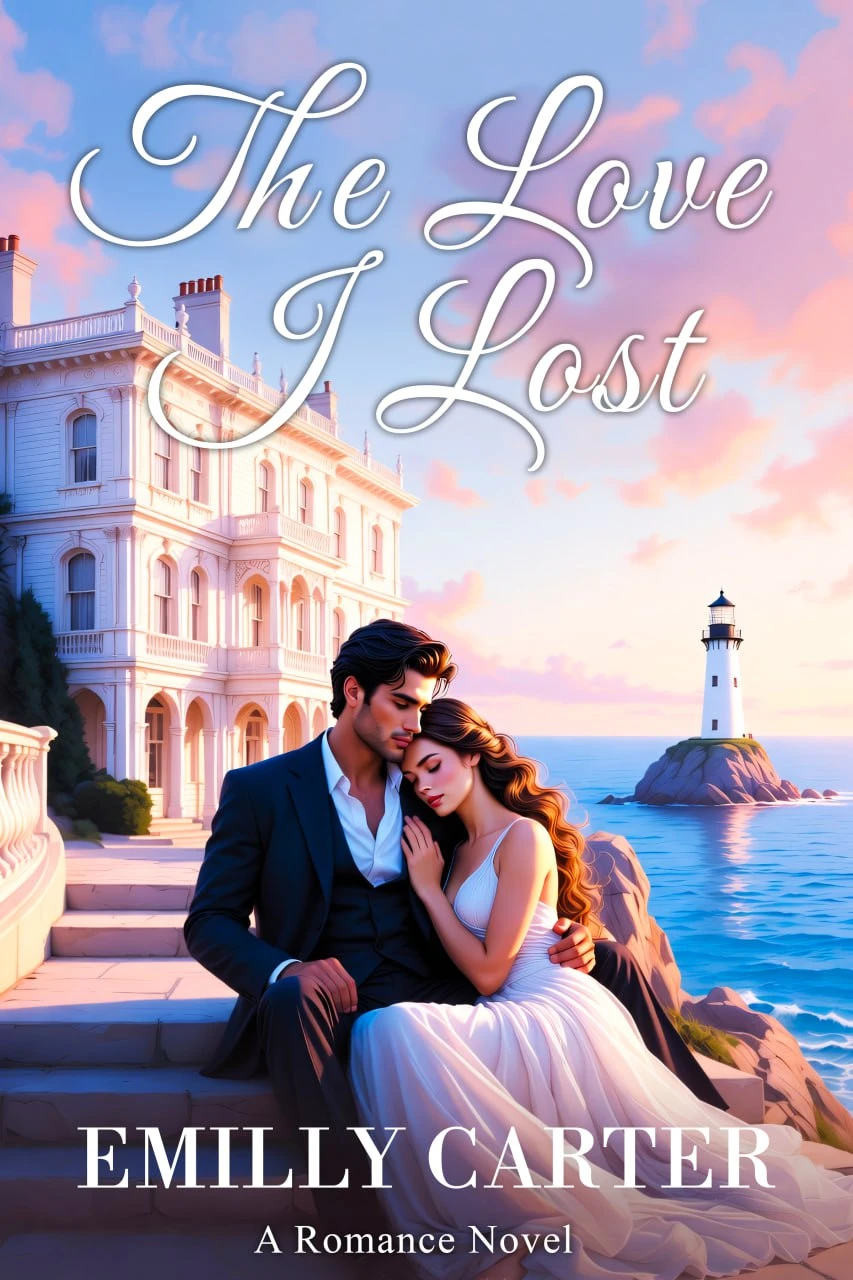
Marcus Sullivan is the structural architect hired to save the Harborview Inn on the coast of Maine, and Elena Reyes, the designer brought in to restore it, has spent ten years believing he walked away from her without a word. He didn’t. Someone they both trusted took them apart, and the book is about what happens when the truth comes out in a house full of old letters from a love affair that ended the same way a century earlier. Marcus is the MMC who waited. He is patient, steady, and he kept the ring he never got to give her in a safety deposit box in Portland for a decade. When he finally asks, it is at the lighthouse, and the book gives them the full happily ever after.
MMC type: The MMC who waited, and kept the ring.
Read this if: your favourite hero is the one who never stopped loving her, even when he had every reason to.
3. The Hating Game by Sally Thorne
Joshua Templeman is the grumpy MMC in his purest form. He and Lucy Hutton are rival executive assistants at a newly merged publisher, sharing an office and a mutual hatred they have raised to an art, and both are going for the same promotion. Josh is cold, precise and apparently unbothered by her existence. Then Thorne starts letting you see how much he has noticed about Lucy, in detail, for a very long time. The reveal of what sits under the grump is one of the best payoffs in modern romance.
MMC type: The grumpy MMC with a secret soft spot.
Read this if: you like him rude to everyone and quietly devoted to one person.
4. Twilight by Stephenie Meyer
Edward Cullen is the MMC who launched a thousand arguments. He is protective to the point of watching Bella Swan sleep, and a whole generation of readers either found that romantic or found it alarming, often both in the same week. Whatever you think of him now, Edward shaped the obsessive, “I would do anything to keep you safe” MMC that runs through paranormal romance and romantasy today. Reading Twilight again as an adult is a fascinating exercise in how the definition of a swoonworthy MMC has shifted.
MMC type: The protective, obsessive MMC.
Read this if: you want to see where the “touch her and die” hero started going mainstream.
5. Fourth Wing by Rebecca Yarros
Xaden Riorson is the morally grey MMC most readers picture when they hear the phrase. He is a wingleader at Basgiath War College, the son of an executed rebel, and he has every reason to want Violet Sorrengail dead, given who her mother is. Instead he trains her, guards her and keeps secrets from her that are big enough to reshape the whole series. Yarros makes you trust him and question him in the same chapter, and that tension is exactly what readers mean by morally grey.
MMC type: The morally grey MMC with secrets.
Read this if: you want an MMC who is dangerous, loyal and not telling you everything.
6. The First Time I Met You by Emilly Carter
This is Marcus before the waiting, and he is a completely different kind of MMC. He is an architecture student when he sits down at twenty-year-old Elena’s table in a coffee shop near campus, while she is still grieving her mother, and offers her his hand with a formality she finds charming. That night, alone at his desk, he tries to sketch the coffee shop’s floor plan from memory: the table she sat at, the angle of the light, the distance between their chairs. He falls first and he falls completely. The book follows their first love through Friday nights at a restaurant they only ever call “the terrible Italian” to the weekend at the inn that ended everything. It is a prequel, and it ends with them apart, which is why it hurts the way it does.
MMC type: The first-love MMC who falls first.
Read this if: you want the version of him who has not been hurt yet, and you can take the ending that makes the rest of the trilogy make sense.
7. It Ends With Us by Colleen Hoover
This book has two MMCs, and it is built to make you reconsider what you want from one. Ryle Kincaid is a charming, ambitious neurosurgeon who sweeps Lily Bloom off her feet. Atlas Corrigan is the boy she loved as a teenager, who comes back into her life at exactly the wrong moment. The novel is about domestic abuse, so go in with that knowledge, but it is also one of the clearest lessons in romance on the difference between an MMC who is exciting and one who is safe.
MMC type: The red flag MMC, and the one who is not.
Read this if: you want a book that makes you question every “he’s just intense” MMC you have ever defended.
8. A Court of Thorns and Roses by Sarah J. Maas
The ACOTAR series is famous for doing something most romances never risk: switching the MMC. The first book is built around Feyre and Tamlin, the High Lord of the Spring Court. The second, A Court of Mist and Fury, turns the story toward Rhysand of the Night Court, and readers have been arguing about Tamlin and Rhysand ever since. If you have ever wondered why reviewers are so careful about telling you who the “real” MMC is, this series is why.
MMC type: The MMC swap, from Tamlin to Rhysand.
Read this if: you like a romantasy that changes its mind about who deserves her.
9. The 10 Years We Were Apart by Emilly Carter
The decade between the first book and the last, and the heart of why Marcus is the MMC readers remember. It opens with his forty-seventh call to a voicemail greeting he can now recite from memory, at two in the morning, on his kitchen floor. Then the years pass. He moves to Portland, restores old buildings, sands boats at a boatyard on Saturdays, and dates the way a careful man walks near an edge: three dinners, then he stops calling. And on the first Saturday of every month, without telling anyone, he drives to Pemaquid Point and sits on the rocks below the lighthouse. The chapters alternate between Marcus and Elena, living parallel lives a couple of hours apart and both convinced the other one left, before Dorothy, the innkeeper, takes over the final act. It ends with Elena arriving at the inn and Marcus opening his door, the exact moment The Love I Lost begins.
MMC type: The pining MMC, loving someone he thinks is gone.
Read this if: yearning is your favourite trope and you want a hero who never once stopped choosing her.
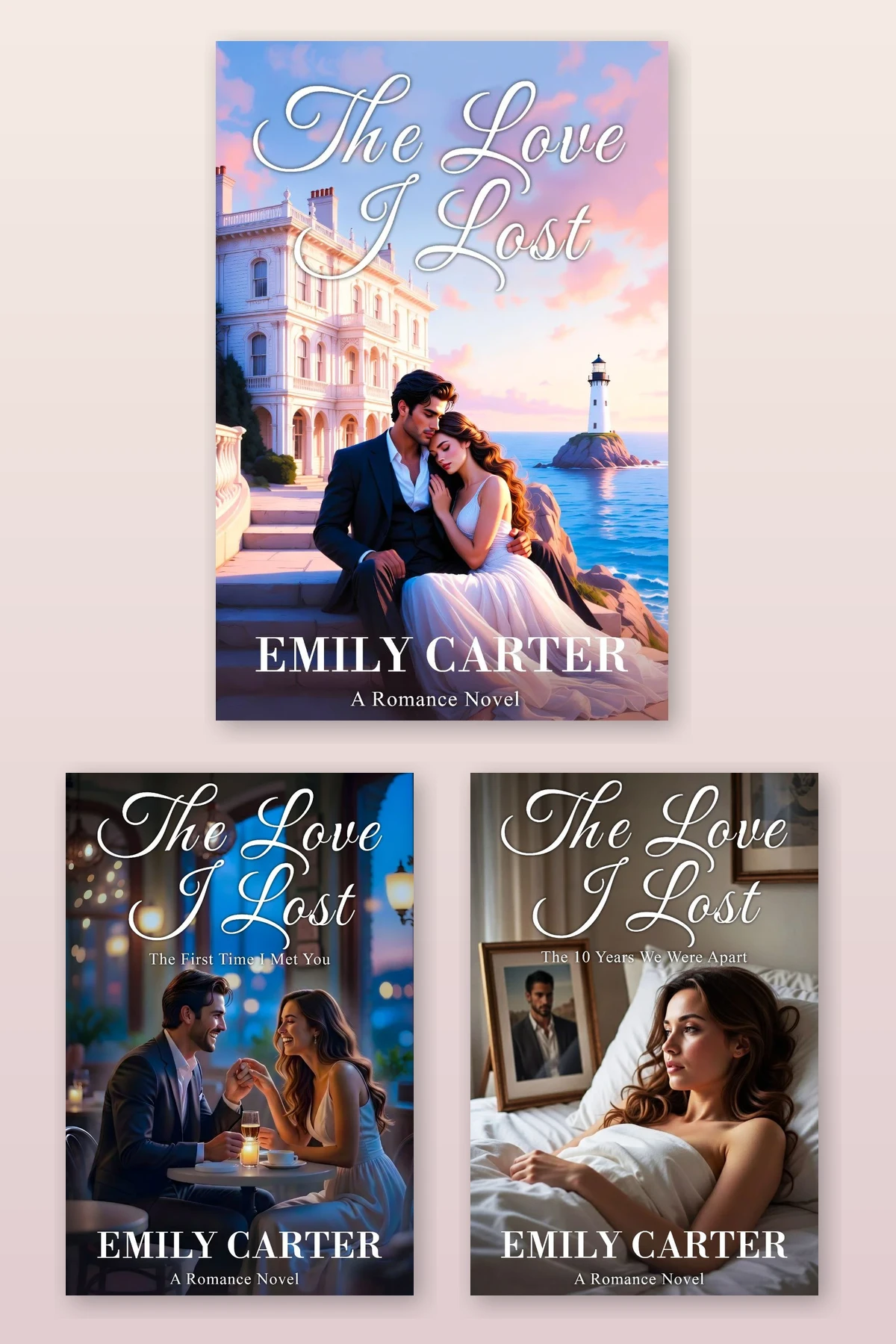
The complete Love I Lost trilogy — available now
10. The Hunger Games by Suzanne Collins
Peeta Mellark is not a romance MMC in a romance novel, but he is the character most readers point to when they explain what a cinnamon roll hero is. The baker’s son who once threw burnt bread to a starving girl, and took a beating from his mother for it, walks into the Games already in love with Katniss Everdeen and never lets that turn into ownership. He is kind as a strategy, a principle and a personality, and he stays kind under pressure that would break most heroes.
MMC type: The cinnamon roll MMC.
Read this if: you are tired of brooding and want an MMC whose strength is his gentleness.
11. Normal People by Sally Rooney
Connell Waldron is the MMC as a quiet, anxious, deeply decent young man who cannot say what he feels. He and Marianne Sheridan move through school in a small Irish town and then Trinity College Dublin, orbiting each other for years, and almost every rupture between them comes down to something Connell could not bring himself to say out loud. Rooney makes his silence the conflict, and it is one of the most realistic portraits of a male lead in contemporary fiction.
MMC type: The quiet MMC whose silence is the problem.
Read this if: you want an MMC you understand completely and still want to shake.
12. Outlander by Diana Gabaldon
Jamie Fraser has been the book boyfriend for more than thirty years, and the reason is not only the kilt. Claire Randall, a Second World War nurse, falls through the standing stones of Craigh na Dun into 1743 Scotland, and Jamie is a young Highlander with a price on his head and a remarkably modern respect for her mind. He is brave, funny, loyal and deeply flawed, and the series gives him decades to grow alongside her.
MMC type: The book boyfriend standard.
Read this if: you want the historical romance MMC other MMCs are still compared to.
How to Tell What Kind of MMC a Book Has Before You Start
Read the reviews for the adjectives, not the stars. A three-star review that says “the MMC was too possessive for me” may be the best recommendation you get if possessive is exactly your taste. Search the book’s name with the trope you want, such as “grumpy MMC” or “he falls first,” and you will usually find readers who have already sorted it for you.
Check the point of view too. A book with chapters from the MMC’s side tells you far more about who he really is. The morally grey and the pining MMCs both land hardest when you are inside their heads, watching them feel something they will not say.
And be honest about which book tropes you actually enjoy. Plenty of readers who say they want a cinnamon roll keep rereading books about the grump.
FAQ
What does MMC mean in books?
MMC means male main character, the male lead of the central couple in a romance. Readers use it instead of “hero” because many MMCs are not heroic. The label only tells you his role, so reviews usually pair it with a type, such as a grumpy MMC or a morally grey MMC. In The Love I Lost, the MMC is Marcus Sullivan.
What does FMC mean in books?
FMC means female main character, the heroine of the love story. Together, FMC and MMC name the two leads of the central romance. In a romance between two women, reviewers often call both leads FMCs. You will also see OFC, other female character, used for rivals, exes and friends outside the main couple.
What is the difference between MC, MMC and FMC?
MC means main character and is used when a book has one clear lead. MMC and FMC split the lead role in two, the male main character and the female main character, which suits romance because the story belongs to both halves of the couple. Many romance novels alternate chapters between the MMC and FMC to show both sides.
What is a morally grey MMC?
A morally grey MMC does questionable or even bad things for reasons the story asks you to understand. He is neither villain nor clean-cut hero. Morally grey characters are central to dark romance and romantasy, with Xaden Riorson in Fourth Wing one of the best known. The appeal is the tension between his loyalty to the FMC and everything else he does.
What does “he falls first” mean in books?
“He falls first” means the MMC falls in love before the FMC does, and the reader gets to watch him fall while she has not noticed yet. Readers love it because it turns his every small gesture into evidence. In The First Time I Met You, Marcus goes home and sketches the coffee shop where they met.
You Might Also Love
- Romance Tropes
- What Does HEA Mean in Books
- What Is Grumpy Sunshine Romance
- What Is Dark Romance
- What Is Contemporary Romance
Where to Go From Here
If the MMC you love most is the one who waits, Marcus Sullivan is written for you, across three books and ten years. The full Love I Lost trilogy is available now at the Emilly Carter shop.
Emilly Carter is the author of The Love I Lost trilogy, available now.