Romance is one of the best-selling fiction genres in the world, and also the one with the most confusing shelf. Dukes sit next to dragons. A cozy bakery romance shares a table with a book that comes with three pages of content warnings. Every one of them is “romance,” and every one of them is promising you a completely different evening.
That is because romance is not one genre so much as a family of them. This guide breaks down the main romance book genres, what each one promises, and the single book we would hand a new reader to find out whether that corner of the shelf is theirs.
What Is the Romance Genre?
The Romance Writers of America define a romance novel by two things: a central love story and an emotionally satisfying, optimistic ending. The relationship is the main plot, not a subplot, and the couple ends up together, either in a happily ever after or a hopeful “happy for now.” (If you are new to the shorthand, here is what HEA means in books.)
That ending is the whole contract. It is why The Notebook counts and Romeo and Juliet does not. Everything else in the romance genre can change: the century, the setting, the heat, the amount of magic, the amount of darkness. The promise underneath stays the same.
Genre, Subgenre, Trope, Heat Level: The Four Labels on Every Romance
Most lists of romance genres mix four different labels together, and that is why they are so hard to use. Separate them and the shelf suddenly makes sense.
– Genre is the promise: romance, a love story with a happy ending.
– Subgenre is the world: when and where the story happens, and what rules apply there. Historical, contemporary, romantasy, small town.
– Trope is the shape of the plot: second chance, enemies to lovers, forced proximity. Tropes travel across every subgenre. (Our romance tropes guide covers the big ones.)
– Heat level is how much intimacy happens on the page, from closed door romance to fully steamy.
So a book can be a contemporary, small town, second chance, closed door romance all at once. When readers ask about romance subgenres or the different types of romance novels, they almost always mean the second label, the world. That is what the list below is sorted by.
12 Romance Subgenres, and the Book to Start Each One With
1. Historical Romance: The Duke and I by Julia Quinn
Historical romance is set in the past, and the rules of that era create the obstacle: reputation, class, the marriage market. Regency England is the most famous playground. The Duke and I is the first Bridgerton novel. Daphne Bridgerton and Simon Basset, the new Duke of Hastings, fake a courtship so she can attract better suitors and he can escape the ambitious mothers of London. Simon has sworn never to marry. You can guess how well that holds up. Quinn’s banter is the gentlest possible way into the subgenre.
Read this if: You want ballrooms, wit, and a duke who is wrong about himself.
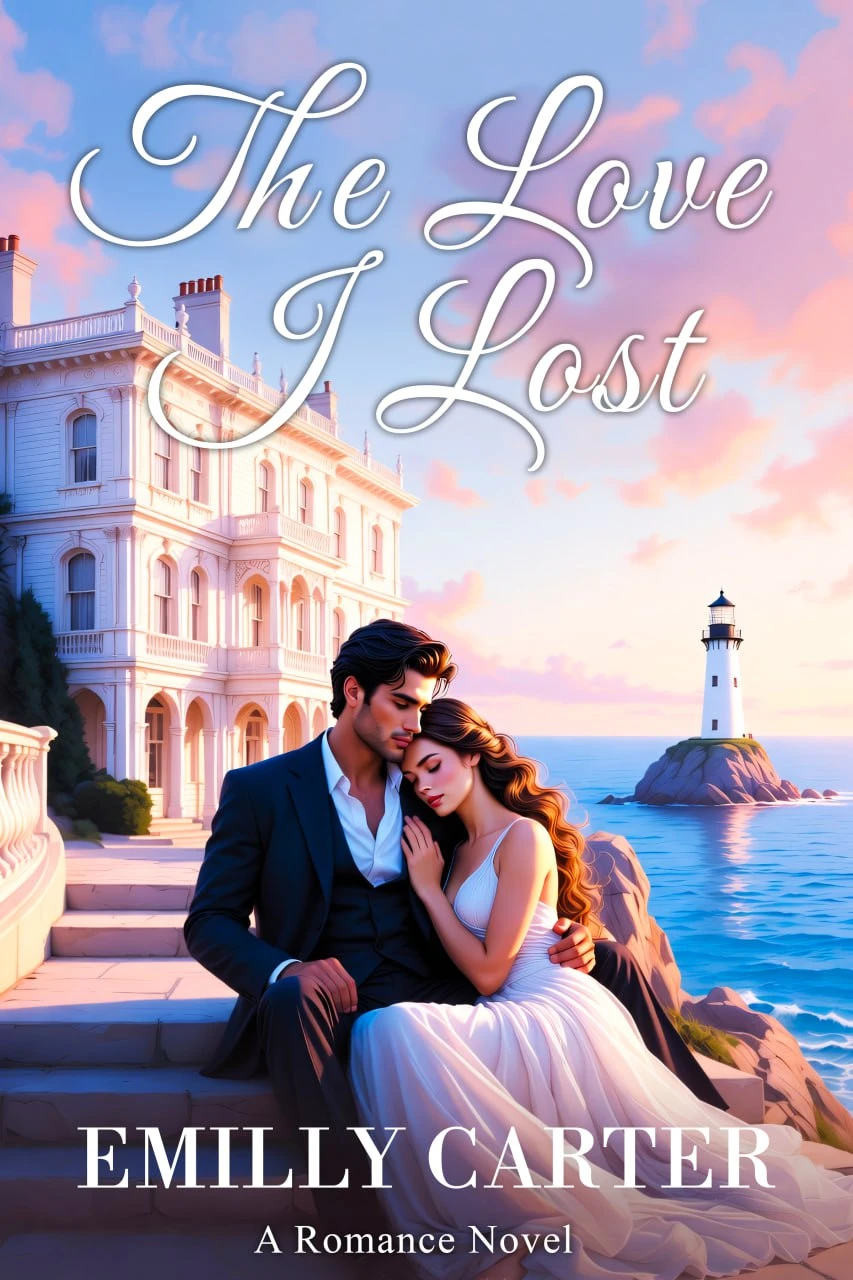
2. Contemporary Romance: The Love I Lost by Emilly Carter
Contemporary romance is set in a world that feels like ours, and it is the biggest shelf in the section. Ours is here because it shows how much the subgenre can hold. Elena Reyes is a thirty-two-year-old interior designer in Boston who has just lost her biggest client. She takes a restoration job at the Harborview Inn on Pemaquid Point, Maine, to save her reputation, and discovers the project’s structural architect is Marcus Sullivan, the man she loved in college and lost ten years ago. A nor’easter traps them in the inn for three days. Century-old love letters hidden behind a fireplace tell a love story that ended badly, and they start to look like a warning. It is a modern second chance love story with a thread of the past running underneath it, and it ends with a happily ever after.
Read this if: You want modern heartbreak, an old house full of secrets, and a love story that gets a second chance.
3. Romantic Comedy: Beach Read by Emily Henry
Romantic comedy puts the banter up front and keeps the heart underneath. Rom-coms are lighter in tone, but the best ones are funny about something serious. January Andrews writes romance and has stopped believing in happy endings after her father’s death and the secret he left behind. She moves into his lake house in Michigan and finds her college rival, literary novelist Augustus Everett, living next door. They make a bet to swap genres for the summer. If you like Henry, our list of books like Emily Henry is the next stop.
Read this if: You want to laugh in chapter one and cry in chapter twenty.
4. Romantasy: Fourth Wing by Rebecca Yarros
Romantasy, or fantasy romance, gives the love story and the world-building equal weight. It has driven a huge share of romance’s recent growth. Fourth Wing follows Violet Sorrengail, ordered by her mother, the commanding general, into the deadly riders’ quadrant at Basgiath War College, where dragons choose their riders and cadets die in training. Xaden Riorson has every reason to want her dead. Yarros keeps the tension high and the romance central. When you finish, try our books like Fourth Wing.
Read this if: You want dragons, danger, and a love interest who might be the enemy.
5. Romantic Suspense: The Witness by Nora Roberts
Romantic suspense braids a love story with a thriller plot, so the couple is falling for each other while someone is trying to hurt them. Nobody does it better than Nora Roberts. At sixteen, Elizabeth Fitch rebels for one night, ends up at a nightclub, and witnesses a murder tied to the Russian mob. Years later she lives alone in the Ozarks as Abigail Lowery, with a guard dog and a lot of locks, until police chief Brooks Gleason refuses to stop asking questions. It is tense, smart, and deeply satisfying.
Read this if: You want your heart rate up for two different reasons.
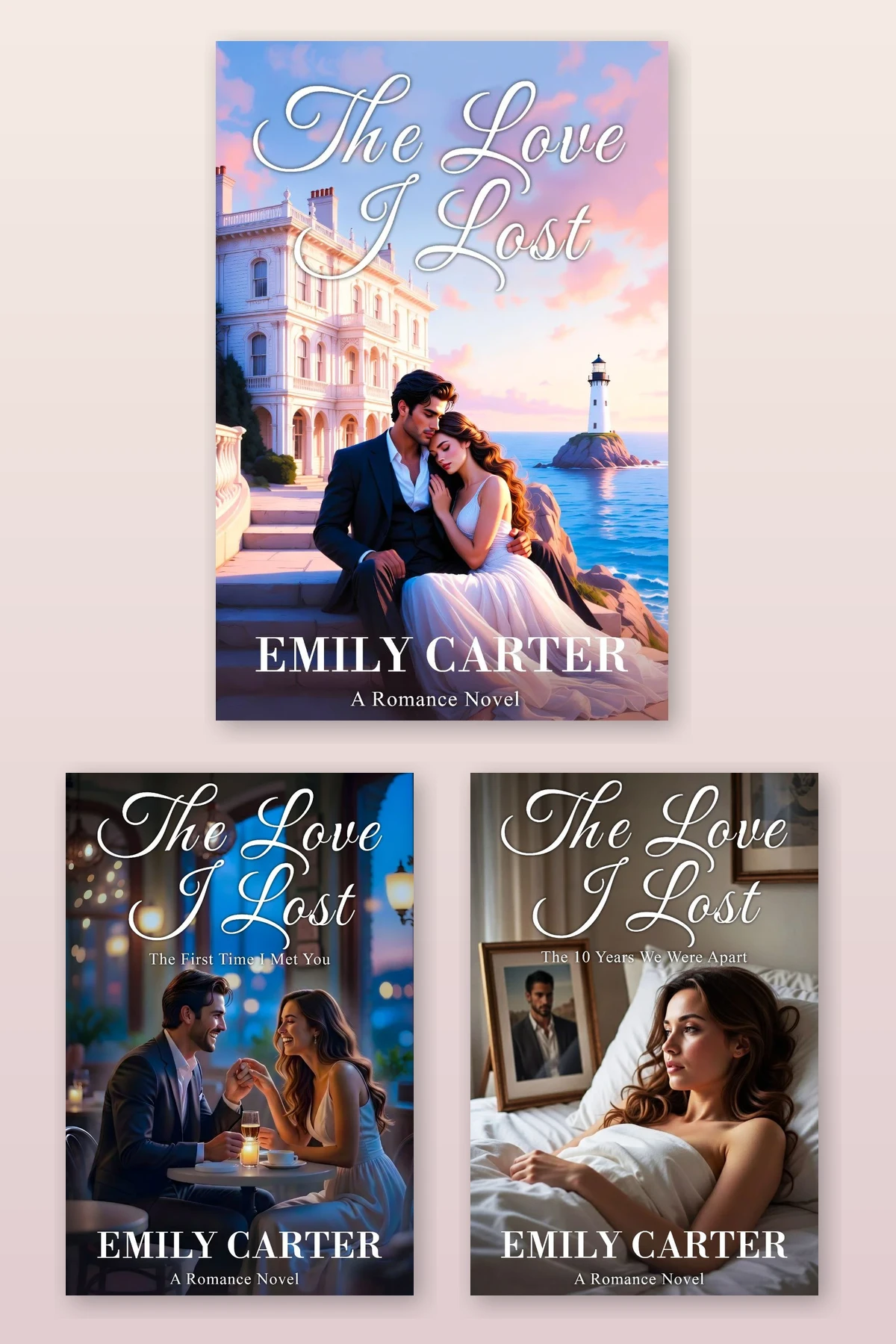
6. New Adult and College Romance: The First Time I Met You by Emilly Carter
New adult romance follows characters roughly eighteen to twenty-five, often at college, with the first big love stories and the first big losses. The First Time I Met You is the prequel to The Love I Lost. Elena is twenty, studying interior design, and quietly grieving her mother on a September morning when an architecture student sits down at her table in a coffee shop on Maple Street. They talk for hours. What follows is a first love written with the intensity that only a first love has: the late nights, the plans, the certainty. Readers of The Love I Lost already know this love story does not end at twenty-two the way it should. That knowledge makes every tender scene ache.
Read this if: You want a first love story that feels exactly as big as it did at twenty.
7. Small Town Romance: Virgin River by Robyn Carr
Small town romance makes the setting a character: a tight community, a main street, neighbours who know your business. Read our full list of small town romance books for more. Virgin River started the modern version of the subgenre. Mel Monroe, a widowed nurse practitioner and midwife, leaves Los Angeles for a job in a tiny town in the California mountains. The cabin she was promised is a wreck. The bar is run by Jack Sheridan, a former Marine who decides she should stay. Grief and healing, with a town to lean on.
Read this if: You want a whole community rooting for the couple.
8. Paranormal Romance: A Discovery of Witches by Deborah Harkness
Paranormal romance brings the supernatural into our world: vampires, witches, shifters, ghosts. Unlike romantasy, it usually happens somewhere you could find on a map. Diana Bishop is an Oxford historian who has spent her life refusing her magic, until she calls up a bewitched alchemical manuscript in the Bodleian Library. Every creature in Oxford wants it. Matthew Clairmont, a vampire and geneticist, wants her. It is slow, lush, and scholarly, a love story for readers who like old libraries as much as old curses.
Read this if: You want a forbidden love between creatures who are never supposed to mix.
9. Angsty Romance: The 10 Years We Were Apart by Emilly Carter
Angst is not a setting, but readers shop for it like a subgenre, and it is one of the most searched corners of the romance shelf. Angsty romance makes you earn the ending. The 10 Years We Were Apart is the middle chapter of Elena and Marcus’s story: the decade between losing each other and finding each other again. A deleted voicemail. A ring that stays in a drawer. They almost see each other eleven times between October and graduation in May, and neither of them ever knows. Then the years go by, with other relationships that never quite take, until Dorothy Whitmore, the innkeeper who watched it all fall apart, sits down to write two letters. Note that this book ends on the threshold. The reunion and the happily ever after are in The Love I Lost.
Read this if: You want the ache of the in-between years, told by both of them. See also our angsty romance books.
The complete Love I Lost trilogy — available now
10. Dark Romance: Haunting Adeline by H.D. Carlton
Dark romance explores obsession, danger, and morally black love interests, usually with explicit content and heavy themes. It is the subgenre where content warnings matter most. Read what dark romance is before you dive in. Haunting Adeline follows Adeline Reilly, a writer who inherits her grandmother’s gothic Parsons Manor and soon realizes she is being watched. Her stalker, Zade Meadows, is the love interest. It is divisive, intense, and enormously popular. Read the warnings first.
Read this if: You want the darkest edge of the shelf and you know what you are signing up for.
11. LGBTQ+ Romance: Red, White and Royal Blue by Casey McQuiston
LGBTQ+ romance tells queer love stories across every other subgenre, from historical to contemporary to fantasy. Red, White and Royal Blue is the easiest place to start. Alex Claremont-Diaz, son of the American president, has an ongoing feud with Prince Henry of England. When a fight at a royal wedding makes the tabloids, the two are forced into a staged friendship for the cameras. The emails that follow are some of the best love letters in modern romance.
Read this if: You want a big, funny, political love story with a lot of heart.
12. Inspirational Romance: Redeeming Love by Francine Rivers
Inspirational romance, often called Christian romance, puts faith at the centre of the love story and keeps intimacy off the page. Redeeming Love is the classic. In 1850s gold rush California, a young woman called Angel was sold into prostitution as a child and has decided never to trust a man. Michael Hosea, a farmer, believes he is meant to marry her, and keeps loving her every time she runs. It is a retelling of the Book of Hosea, and it is harrowing before it is hopeful.
Read this if: You want a love story about redemption, with faith at its core.
How to Find Your Romance Genre
If you are new to romance and unsure which of these types of romance books suits you, start from what you already love outside the genre:
– You love period dramas: start with historical romance.
– You love sitcoms and banter: romantic comedy.
– You love fantasy series: romantasy, then paranormal romance.
– You love thrillers: romantic suspense first, dark romance only after reading the warnings.
– You love literary fiction and slow, emotional stories: contemporary romance, especially second chance and dual timeline romance books.
– You love a book that makes you cry: angsty romance, or our list of sad romance books that still end happily.
Then pick a trope, and a heat level, and you will know exactly what to search for.
Why Romance Has So Many Genres
Romance splits into so many subgenres because the core promise is fixed. Readers already know how the love story ends, so the variety has to come from somewhere else: from the world, the danger, the century, the stakes. A romantic suspense reader and a historical romance reader want the same ending. They want completely different routes to it.
That is also why readers drift between romance genres more than they drift out of romance altogether. Fall for Regency banter and you may find yourself in romantic comedy next. Fall for a second chance love story and you may end up reading every dual timeline book on the shelf. The genre is a promise. The subgenre is just the road.
FAQ
What are the main romance genres?
The main romance genres are contemporary, historical, romantic comedy, romantasy (fantasy romance), paranormal, romantic suspense, new adult, small town, dark romance, LGBTQ+, and inspirational romance. Many books belong to more than one. The Love I Lost by Emilly Carter, for example, is a contemporary small town romance with a thread of history running through it.
What is the most popular romance genre?
Contemporary romance has the biggest shelf in most bookstores, because it covers so much: rom-coms, small town, sports, college, second chance. Romantasy has driven much of the genre’s recent growth on bestseller lists, led by Rebecca Yarros and Sarah J. Maas. Dark romance has a huge online following, though it is a narrower taste.
What is the difference between a romance genre and a romance trope?
A romance genre, or subgenre, is the world the story happens in: historical, contemporary, fantasy, small town. A trope is the shape of the plot, such as second chance, enemies to lovers, or forced proximity. Tropes cross every subgenre. A second chance romance can be set in Regency London, a dragon academy, or a Maine inn.
Is romantasy a romance genre?
Yes, romantasy is a romance subgenre, though it also sits on the fantasy shelf. The key test is whether the love story is central and ends happily. Fourth Wing and A Court of Thorns and Roses are the best-known examples. Paranormal romance is its cousin, with the supernatural set in the real world instead of an invented one.
What romance genre is The Love I Lost?
The Love I Lost by Emilly Carter is a contemporary romance, specifically a second chance, small town romance set at an old inn on the coast of Maine, with forced proximity and a hidden bundle of century-old letters. It is closed door, and it ends with a happily ever after. The prequels, The First Time I Met You and The 10 Years We Were Apart, cover their first love and the decade apart.
You Might Also Love
Where to Start
If your corner of the romance shelf is the one where two people get a second chance at the love they lost, the full Love I Lost trilogy is available now at the Emilly Carter shop.
Emilly Carter is the author of The Love I Lost trilogy, available now.