Ask a room full of romance readers to pick a side and you will start a very polite war. On one bench sits enemies to lovers, all sharp banter and simmering hostility that turns molten. On the other sits second chance romance, quieter and more devastating, built on history and the ache of what almost was. Both tropes sell out shelves. Both dominate BookTok. And both promise the exact same thing in the end: two people who cannot stay away from each other, no matter how hard they try.
So which one actually wins? Before we crown a champion, it helps to understand what each trope is really doing under the hood, because the answer says as much about you as a reader as it does about the books.
What Is Enemies to Lovers?
Enemies to lovers is the trope of transformation. Two characters start at open odds. They bicker, they undermine, they roll their eyes across the office or the battlefield or the shared apartment they never wanted. Then, somewhere in the friction, the hostility starts to look a lot like something else. The best enemies to lovers books understand that the line between hate and want is thin for a reason. Both are forms of obsession. Both mean you cannot stop thinking about the other person.
What makes the trope so satisfying is the earned reversal. When two people spend three hundred pages fighting, the moment they finally give in hits like a dam breaking. Readers do not just want the kiss. They want the whole architecture of resistance to collapse. Enemies to lovers romance books thrive on wit, on power balance, and on that delicious slow realization that the person you swore you despised is the only one who truly sees you.
What Is Second Chance Romance?
Second chance romance runs on a different fuel entirely. Here, the love already happened. These two were together once, or almost were, and something tore them apart. Time. Distance. A lie. A death. A decision made too young. Now they are back in the same room, older and more guarded, carrying a decade of everything they never got to say.
If enemies to lovers is about tension building toward a first spark, second chance romance is about tension built from memory. The reader knows these two belong together because they already did belong, once. The heartbreak is baked in before the story even starts. That is why second chance romance books tend to wreck people so thoroughly. You are not watching love form. You are watching it survive, against grief and pride and the very real possibility that some things stay broken. When it works, the reunion feels less like a beginning and more like coming home.
The Core Difference
Strip both tropes down and the split is simple. Enemies to lovers is powered by friction. Second chance romance is powered by history. One asks “can these two overcome how much they clash?” The other asks “can these two forgive what already broke them?” Enemies to lovers gives you the thrill of the unknown. Second chance gives you the ache of the known. Neither is better. They are answering two different emotional hungers, and the trope you reach for on a rainy Sunday tells you which hunger is louder that day.
Now for the fun part. Here are twelve books that prove exactly what each trope can do, split fairly between the two camps, with a few that refuse to choose a side.
1. The Hating Game by Sally Thorne
The gold standard of modern enemies to lovers. Lucy Hutton and Joshua Templeman share an office, a mutual loathing, and a series of increasingly petty games that neither will admit is foreplay. Thorne writes the workplace rivalry with such precise, needling wit that the eventual shift from war to want feels almost unbearable. Every glare hides a heartbeat. This is the book that taught a generation of readers why they love watching two smart, stubborn people lose to their own feelings.
Read this if: you want banter so sharp it draws blood before it draws you in.
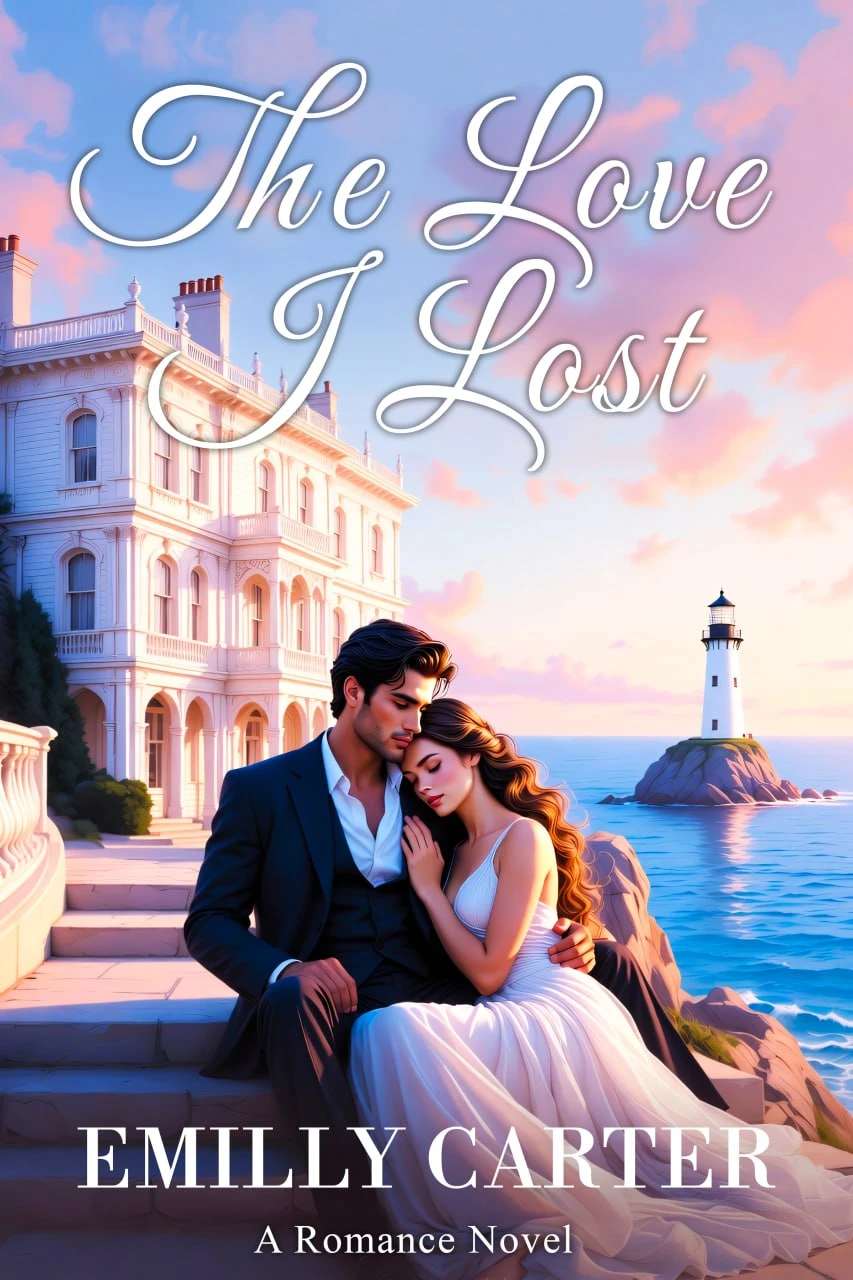
2. The Love I Lost by Emilly Carter
Elena Reyes does not believe in second chances. She believes in work. After losing her biggest client, she takes on the restoration of a crumbling Victorian inn on the Maine coast, determined to rebuild her reputation. Then she walks through the door and finds Marcus Sullivan, the college boyfriend she thought abandoned her without a word, now the project’s structural architect. What Elena does not know is that their breakup was never real. A calculated betrayal by someone they both trusted destroyed everything, including the proposal Marcus never got to make. Forced to work side by side in a building that mirrors their own fractured foundation, they have to decide whether to excavate the truth or walk away from the only love neither of them ever got over. This is second chance romance with the emotional weight turned all the way up.
Read this if: you want a reunion that hurts before it heals, set on a coast you will want to move to.
3. Beach Read by Emily Henry
Two rival writers, one summer, two neighboring beach houses, and a bet that they can each write the other’s genre. January writes happy endings. Augustus writes literary despair. They cannot stand each other, which of course means they think about each other constantly. Henry uses the enemies-to-lovers frame to explore grief, creative burnout, and the terror of hoping again. The barbs are funny, the ache underneath is real, and the slow thaw between two people who assumed the worst of each other is pure trope satisfaction.
Read this if: you like your rivalry laced with real grief and better one-liners.
4. Persuasion by Jane Austen
The original second chance romance, and still one of the best. Anne Elliot was persuaded to reject Captain Wentworth years ago, and now he is back, successful and seemingly indifferent, moving through the same rooms she cannot escape. Austen understood the specific torture of loving someone in silence while the world watches. The famous letter near the end remains one of the most swoon-worthy declarations ever written. Two centuries later, the longing has not aged a day.
Read this if: you want to see where the entire second chance trope was born.
5. The Spanish Love Deception by Elena Armas
Catalina needs a fake date to her sister’s wedding in Spain. Aaron, her insufferable, impossibly handsome coworker, volunteers, and Catalina cannot fathom why the man who seems to hate her keeps showing up for her. Armas blends enemies to lovers with fake dating and forced proximity, stacking the tension until it is almost too much. The slow burn is generous, the yearning is thick, and the payoff rewards every reader who ever suspected the grumpy one was secretly gone for the heroine the whole time.
Read this if: you want enemies to lovers with a side of fake dating and a very long fuse.
6. The First Time I Met You by Emilly Carter
The origin story in Emilly Carter’s Love I Lost trilogy, this volume goes back to the beginning, to the version of Elena and Marcus who had not yet been broken. Before the betrayal, before the ten years of silence, there was a first meeting, a first argument, a first realization that this person was going to matter. Carter writes young love with a knowing tenderness, because the reader already carries the ache of what is coming. Every sweet beat is shadowed by the loss to follow, which makes the joy feel almost unbearably precious. It is the book that turns the second chance in the finale from satisfying to shattering.
Read this if: you want to fall for a couple twice, once at the start and once at the reunion.
7. Love & Other Words by Christina Lauren
Told in alternating Then and Now timelines, this is second chance romance at its most quietly devastating. Macy and Elliot fell in love as teenagers over books and long conversations in a secret reading nook, then lost each other for eleven years after one terrible night. When they meet again as adults, everything unspoken comes rushing back. The dual timeline structure lets you fall for their first love and grieve its collapse at the same time, and the reunion lands with the full weight of everything they buried.
Read this if: you love a Then-and-Now structure that makes you ache in both directions.
8. Red, White & Royal Blue by Casey McQuiston
The First Son of the United States and the Prince of Wales are supposed to hate each other, and they do, loudly, until a staged truce forces them together and the loathing curdles into something neither can walk back. McQuiston writes enemies to lovers with wit, warmth, and genuine political stakes, and the enemies-to-lovers slow burn is only sweeter for how public and impossible the whole thing is. Funny, hopeful, and swoony from start to finish.
Read this if: you want an enemies-to-lovers story with big charm and even bigger stakes.
The complete Love I Lost trilogy — available now
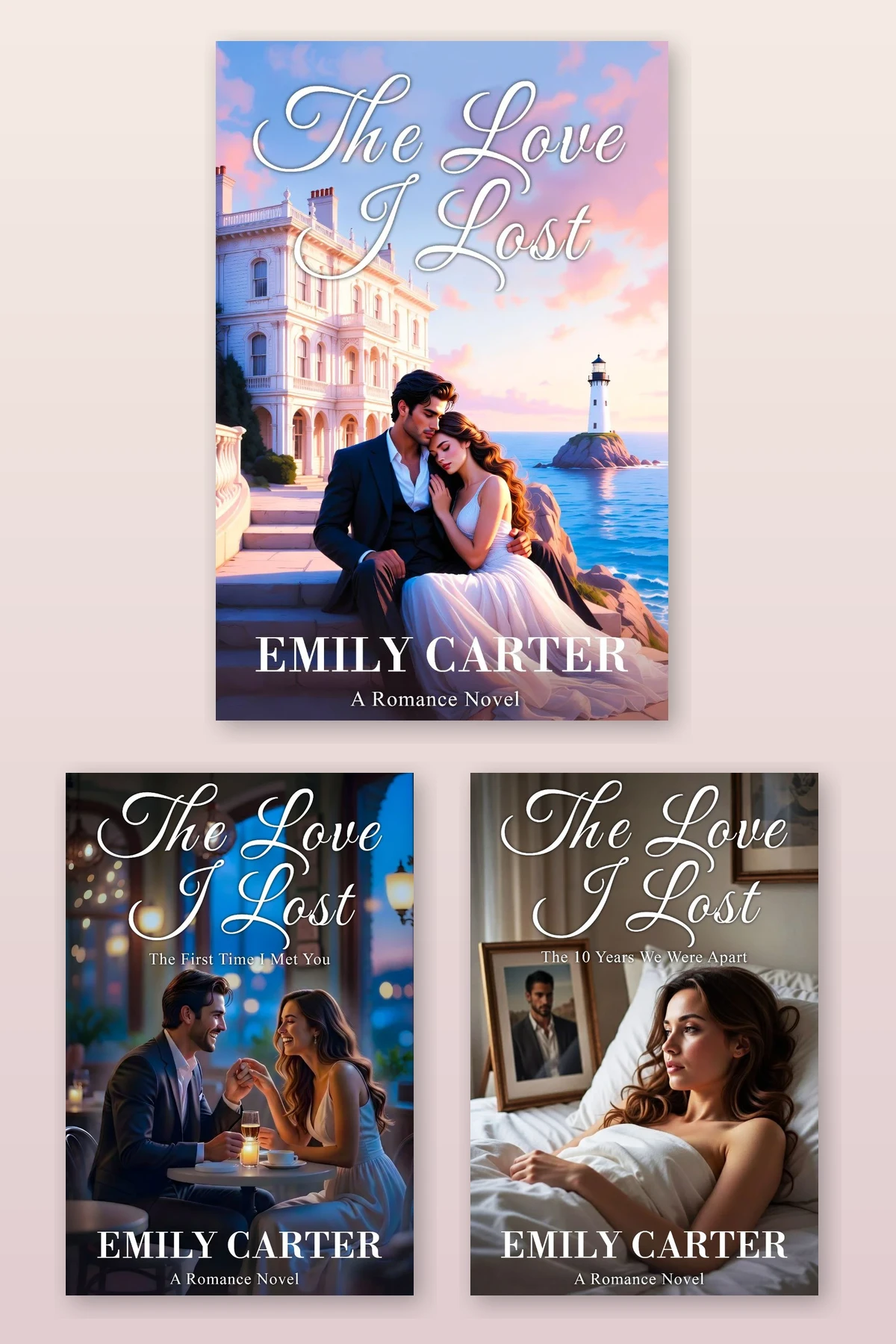
9. The 10 Years We Were Apart by Emilly Carter
The finale of the trilogy delivers the reckoning the first two books promise. This is the decade of silence made whole, the moment where the manufactured lie that split Elena and Marcus finally cracks open and the truth of what they lost, and what they can still reclaim, comes to light. Carter brings the second chance to its peak here, weaving in the historical parallel of two lovers from 1915 whose unsent letters, hidden in the inn’s walls, mirror Elena and Marcus’s own story. The proposal at the lighthouse, with the ring Marcus kept for ten years, is the kind of ending readers reread just to feel it again. It is second chance romance at full emotional volume, closing an arc that spans two lifetimes.
Read this if: you want a finale that pays off ten years of longing in one perfect scene.
10. Every Summer After by Carley Fortune
Six summers of first love at a lake in Ontario, and then one weekend twelve years later when Percy returns for a funeral and has to face Sam, the boy she never stopped loving and the one she wronged. Fortune writes summer nostalgia so vivid you can feel the dock under your feet, and the second chance carries real cost, because Percy has to own what she did before either of them can move forward. Tender, aching, and impossible to read without missing someone from your own past.
Read this if: you want lakeside nostalgia and a reunion that demands real accountability.
11. The Unhoneymooners by Christina Lauren
Olive and Ethan cannot stand each other, so naturally they end up sharing an all-expenses-paid honeymoon in Hawaii after the actual newlyweds get food poisoning. Trapped together in paradise, forced to pose as a couple, their mutual disdain gets a lot harder to maintain. This is enemies to lovers at its most fun, light and warm and full of banter, with just enough real feeling underneath to make the turn believable. A perfect palate cleanser between the heavier reads on this list.
Read this if: you want enemies to lovers with sunshine, forced proximity, and zero angst hangover.
12. One Day by David Nicholls
Emma and Dexter meet on the night of their graduation and then the story checks in on them on that same date, one day a year, for twenty years. Friends, almost-lovers, apart and together and apart again, they orbit each other through every wrong turn and missed chance. It is second chance romance stretched across two decades, and it will absolutely break your heart. Keep tissues nearby. This one earns every tear.
Read this if: you can handle a love story that spans twenty years and does not pull its punches.
Which Trope Wins?
Here is the honest answer. It depends entirely on what you need from a book that week.
Enemies to lovers wins on momentum. The banter, the power struggle, the electric uncertainty of not knowing whether these two will kiss or combust, it is a propulsive, addictive read that keeps you turning pages just to see who cracks first. If you want to be entertained and swept up, this is your trope.
Second chance romance wins on depth. Because the love already existed, the stakes are higher and the emotions cut closer to the bone. There is no “will they fall for each other,” only “can they survive what already broke them.” That is a heavier, more resonant kind of tension, and for readers who want a story to leave a mark, nothing beats it.
But here is the secret the best books know. You do not actually have to choose. The most powerful romances often blend both, layering the friction of enemies to lovers over the ache of second chance, or wrapping second chance in the forced proximity that makes escape impossible. Emilly Carter’s Love I Lost trilogy does exactly this, trapping two former lovers in the same crumbling inn where every wall reminds them of what they lost. That is why the trope war is a false choice. The real winner is the reader who lets both wreck them.
Frequently Asked Questions
What is the difference between enemies to lovers and second chance romance?
Enemies to lovers follows two characters who start as rivals or antagonists and gradually fall for each other, powered by friction and banter. Second chance romance follows two people who were once in love, or nearly were, and get a second shot after time and heartbreak pulled them apart. One is about overcoming hostility, the other about forgiving history.
Can a book be both enemies to lovers and second chance?
Absolutely, and those blends are often the most intense reads of all. A couple who were once together can reunite as adversaries, carrying old wounds that read as hostility. Emilly Carter’s The Love I Lost layers second chance and forced proximity, while books like Beach Read mix rivalry with real grief. The overlap tends to produce the highest emotional payoff.
Which romance trope is the most popular right now?
Enemies to lovers currently pulls the highest search volume, driven by BookTok and the runaway success of titles like The Hating Game and fantasy romances built on the trope. Second chance romance remains a perennial favorite, especially among readers who want deeper emotional stakes. Both consistently rank among the most sought-after tropes in the genre.
Is second chance romance sadder than enemies to lovers?
Usually, yes. Because second chance romance starts from a place of loss, it tends to carry more grief, longing, and bittersweet history than enemies to lovers, which leans on tension and wit. That does not make it better, only heavier. If you want a book that lingers, second chance often hits harder.
Where should I start if I love both tropes?
Start with a book that blends the two. Emilly Carter’s The Love I Lost pairs a second chance reunion with forced proximity on the Maine coast, giving you the ache of lost love and the friction of two people trapped together. From there, branch into pure enemies to lovers with The Hating Game or deeper second chance with Love & Other Words.
You Might Also Love
- Enemies to Lovers Books
- Best Enemies to Lovers Romance Books
- Best Second Chance Romance Books
- Slow Burn Romance Books
- Best Romance Series
- What Is Slow Burn Romance? The Ultimate Trope Guide
- What Is Enemies to Lovers Romance?
Whichever side of the trope war you land on, the good news is you never have to pick just one. Explore the full Love I Lost trilogy and see how the two most beloved tropes in romance feel when they finally collide. Browse the collection here.
Emilly Carter is the author of The Love I Lost trilogy, available now.