There is no trope in romance fiction more devastating than second chance romance. Two people who already loved each other once, who already lost it, who somehow find their way back. The stakes are higher because the history is real. These aren’t strangers wondering if they could fall in love. They are people who know exactly what they walked away from, and exactly what it cost.
If you’ve ever closed a book at 2 a.m. swearing you’d never put yourself through it again, only to pick up the next one the same week, you understand the pull. This guide breaks down what second chance romance actually is, why it hits so much harder than other tropes, the hallmarks that separate a great one from a forgettable one, and the books that do it best.
What Is Second Chance Romance?
Second chance romance is a subgenre where two characters who had a romantic relationship in the past reunite and fall in love again. The relationship already happened. The breakup already happened. The story is about what comes after, when life puts them in the same room one more time and dares them to try again.
That single structural choice changes everything. In most romance, the tension comes from discovery, two people learning who the other is. In second chance romance, the tension comes from history. They already know. They know the sound of each other’s laugh, the old arguments, the exact moment it fell apart. The question isn’t “could we love each other?” It’s “can we survive loving each other again?”
The separation can come from anything: a misunderstanding, a betrayal, bad timing, family pressure, a choice one of them made and regretted for a decade. What matters is that real feeling was interrupted, not extinguished, and that both people have to reckon with the version of themselves that let it go.
Why Second Chance Romance Hits So Hard
The appeal of second chance romance is rooted in something almost everyone carries: the one that got away. Most of us have a near-miss, a relationship that ended for reasons that felt right at the time and look smaller in the rearview mirror. Second chance romance takes that universal ache and gives it the ending real life rarely does.
There’s also the matter of earned emotion. A new couple builds trust from nothing. A reunited couple has to rebuild it from rubble, which is harder and far more satisfying to watch. Every tender moment is shadowed by the memory of how badly it hurt last time, so when they finally let their guard down, it lands with the full weight of everything that came before. The trope rewards patience, and the payoff feels like vindication. Love, the genre promises, is not a single window that closes forever. Sometimes it waits.
The Hallmarks of a Great Second Chance Romance
Not every reunion story lands. The ones that wreck you tend to share a few key ingredients.
A history you actually feel. The best second chance romances make the past a living presence. Through flashbacks, letters, or memory, you fall in love with the original relationship so that its loss genuinely hurts. The structure that does this best is the dual timeline, where then and now run side by side until they collide.
A worthy reason for the split. Cheap misunderstandings cheapen the reunion. The strongest stories give the breakup real weight: a betrayal, a sacrifice, a lie told by someone else, a choice made for love that backfired. When the truth finally surfaces, it should reframe everything.
Forced proximity. Reunions need a reason the characters can’t just walk away again. A shared job, a small town, a family obligation, a house that has to be restored. Trapping them in the same space turns avoidance into impossibility.
The grovel and the reckoning. Someone usually has to own their part in the ending. The apology, the explanation, the moment of raw honesty, that’s the emotional engine of the whole subgenre.
Second Chance Romance vs Other Tropes
It helps to know where second chance sits next to its cousins. Friends to lovers is about two people realizing what was always there. Second chance is about two people who already knew, lost it, and have to choose it again. The difference is grief. Friends to lovers carries hope; second chance carries history.
Enemies to lovers runs on friction and the thrill of a wall coming down. Second chance can include that hostility, the bitterness of an ex, but underneath the sharp words there’s a wound, not a game. And while slow burn describes the pacing, second chance describes the situation. The two pair beautifully, which is why so many of the most beloved reunion novels are also patient, simmering slow burns.
The Best Second Chance Romance Books to Start With
Ready to feel something? Here are twelve novels that show the trope at its most devastating, from the classic that started it all to the modern books readers can’t stop talking about. For an even deeper list, see our full roundup of the best second chance romance books.
1. Persuasion by Jane Austen
The original second chance romance, written two centuries before the trope had a name. Anne Elliot let herself be talked out of marrying Frederick Wentworth at nineteen, persuaded he wasn’t good enough. Eight years later he returns, wealthy and successful, and the quiet agony of sharing rooms with the man she never stopped loving is some of the most restrained, devastating longing ever put on a page. Wentworth’s letter remains one of the most romantic declarations in the English language. If you want to understand where the whole genre comes from, start here.
Read this if: you love aching restraint and the slow thaw of two people too proud to speak first.
2. The Love I Lost by Emilly Carter
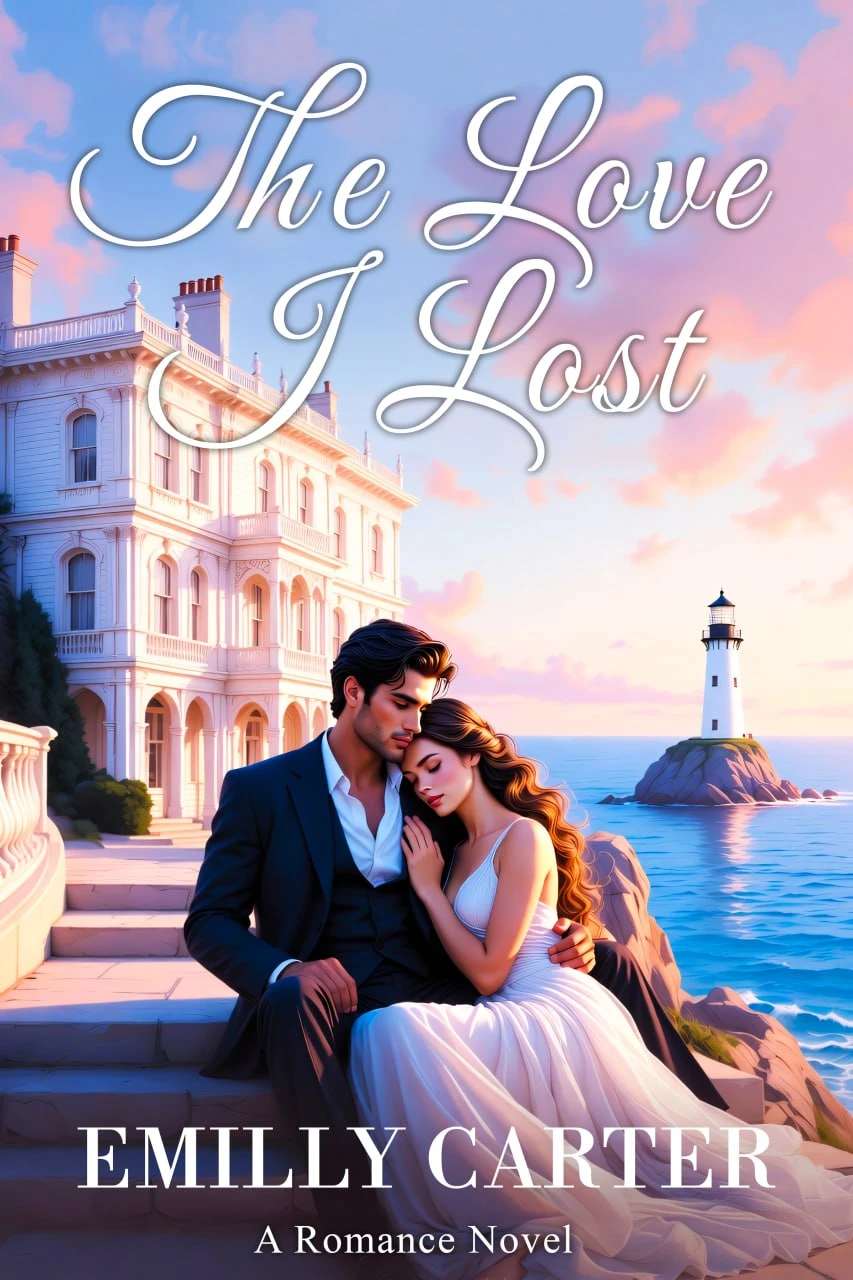
Elena Reyes doesn’t believe in second chances. She believes in work. After losing her biggest client, she takes the restoration of a crumbling Victorian inn on the Maine coast, desperate to prove she’s still the best in historic preservation. Then she walks through the door and finds Marcus Sullivan, her college boyfriend, the man she thought abandoned her without a word, now the project’s structural architect. What Elena doesn’t know is that their breakup was never real. A calculated betrayal by someone they both trusted destroyed everything, including the proposal Marcus never got to make. Forced to work side by side in a building that mirrors their own fractured foundation, they have to decide whether to excavate the truth or walk away from the only love neither of them got over. It is second chance romance at its most emotionally precise.
Read this if: you want the reunion, the slow burn, and a secret that recontextualizes everything.
3. Love and Other Words by Christina Lauren
Macy and Elliot grew up falling in love over books in the closet of her family’s weekend house, until something shattered them at the end of high school. Eleven years later they collide as adults, and the novel alternates between then and now with such tenderness that you’ll feel the loss in your chest before you even learn what caused it. The dual timeline does exactly what great second chance romance demands: it makes you adore the original relationship so the reunion means everything. Devastating, hopeful, and beautifully written.
Read this if: you want a then-and-now structure that makes you ache for the past on every page.
4. The Notebook by Nicholas Sparks
Before it was the movie everyone cried through, it was the novel that defined modern second chance romance for a generation. Noah and Allie fall in love one perfect summer, are pulled apart by class and circumstance, and find their way back years later when she’s engaged to someone else. Sparks understands that the reunion is only as powerful as the love that preceded it, and the summer chapters do the heavy lifting. The framing story, an old man reading to a woman who no longer remembers him, turns the whole thing into a meditation on love that outlasts everything.
Read this if: you want the sweeping, all-consuming version of love-lost-and-found.
5. Happy Place by Emily Henry
Harriet and Wyn broke off their engagement five months ago. The problem: they haven’t told their friends, and now they’re sharing a bedroom at the group’s annual cottage trip in Maine, pretending to still be the perfect couple. What unfolds is a beautifully painful study of two people who love each other and still couldn’t make it work, forced into proximity that strips away every excuse. Henry writes longing better than almost anyone, and the flashbacks to how they fell apart are quietly shattering. Coastal setting, fake-relationship pressure, and a reunion that has to be earned twice.
Read this if: you love a forced-proximity reunion with a coastal backdrop and a slow, painful thaw.
6. The 10 Years We Were Apart by Emilly Carter
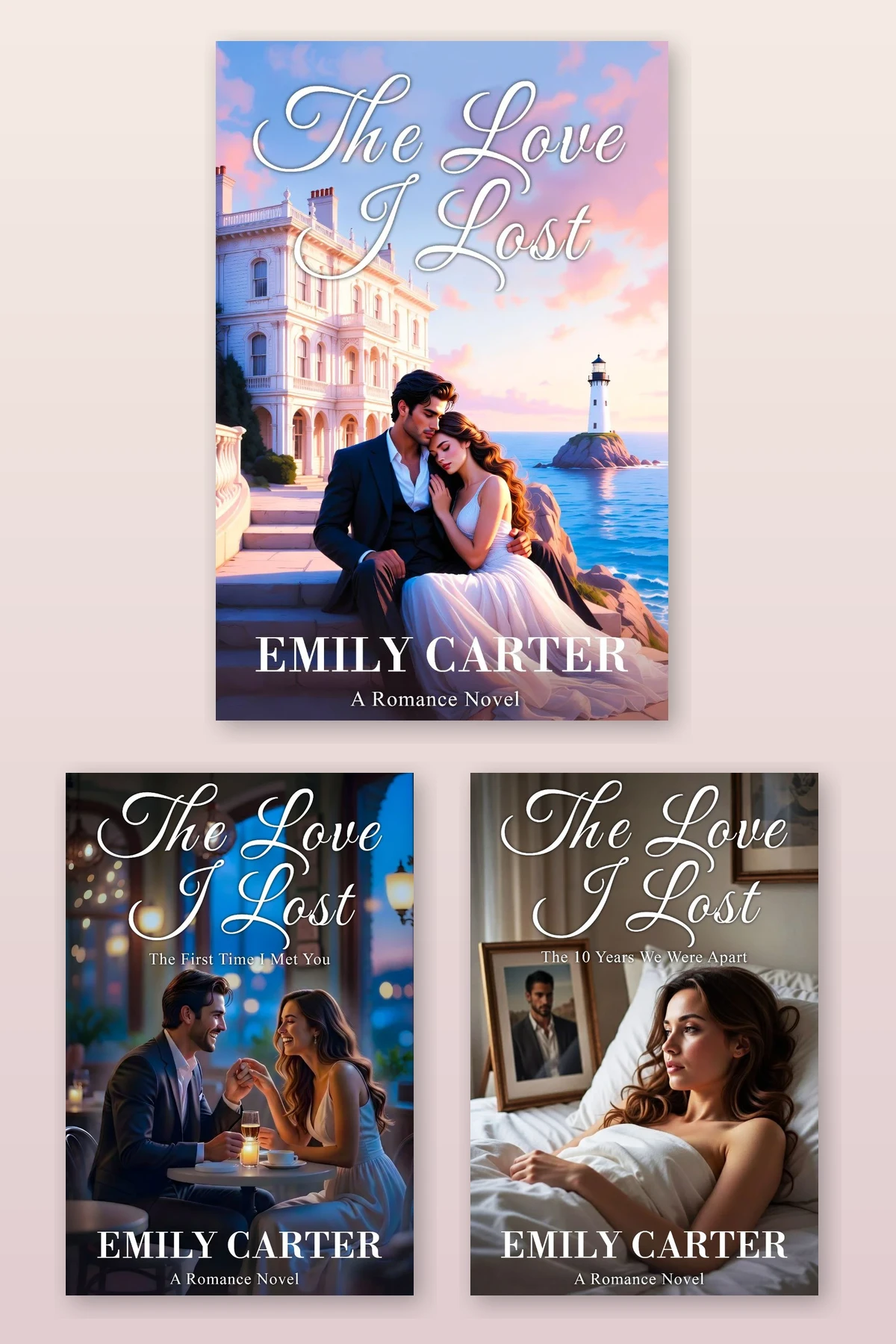
The decade of silence, told from the inside. This installment of the trilogy lives in the long years between the love and the reunion, the part most romances skip. It traces what a manufactured breakup actually does to two people over ten years: the relationships that never quite fit, the success that never quite filled the gap, the way both Elena and Marcus built entire lives around an absence neither of them understood. When the truth finally surfaces, the weight of those ten wasted years lands like a physical blow. It deepens everything the trilogy is doing, turning a reunion story into a meditation on the cost of a single lie and the stubbornness of love that refuses to die on schedule.
Read this if: you want the ache of the missing years, not just the reunion.
7. Every Summer After by Carley Fortune
Persephone spent six perfect summers falling in love with Sam at the lake, until one mistake ended everything and she stayed away for more than a decade. A funeral brings her home and back to him, and the novel weaves past and present so seamlessly that the lost years feel like a wound you can touch. Fortune captures the specific heartbreak of first love, the kind that imprints so deeply no one after ever quite measures up.
Read this if: you want lake-summer nostalgia and a first love that never let go.
8. The Light We Lost by Jill Santopolo
Lucy and Gabe meet on September 11, 2001, and spend the next thirteen years orbiting each other through different cities, different partners, and the choices that keep pulling them apart. This is second chance romance with no guarantees, a novel that asks what we owe the great love of our life when timing refuses to cooperate. It will not hand you an easy ending, and that’s exactly why it stays with readers for years.
Read this if: you want a sweeping, decade-spanning love story that earns every tear.
9. The First Time I Met You by Emilly Carter
Every great reunion needs an origin, and this is where the trilogy’s heart begins. Going back to the start, this book builds the original love story between Elena and Marcus in college, the easy intimacy, the late-night certainty that they’d found the real thing, the proposal that was always coming. Knowing how it ends makes every tender moment ache. Carter understands the rule that separates good second chance romance from great: you have to fall in love with the first chance before the loss can wreck you. By the final page, you’ll understand exactly what was stolen, and why two people would spend a decade unable to move on from it.
Read this if: you want the first-love origin that makes the whole reunion hurt twice as much.
The complete Love I Lost trilogy — available now
10. People We Meet on Vacation by Emily Henry
Poppy and Alex were best friends who took one trip together every year, until a single trip ruined everything and they didn’t speak for two years. Now Poppy convinces him to take one more vacation to fix what broke. It’s friends-to-lovers and second chance braided together, with Henry’s signature wit balancing the longing underneath. The summers-past chapters make you root for them so hard that the silence between them feels like a personal loss.
Read this if: you want banter, travel, and a friendship-turned-love worth fighting back for.
11. One Day in December by Josie Silver
Laurie sees a man through a bus window and is certain he’s the one. A year later her best friend introduces him as her new boyfriend. What follows is a decade of near-misses, wrong timing, and the question of whether a love interrupted by life can ever find its moment. It’s a slower, more bittersweet take on the trope, the kind that trusts you to sit in the ache of almost. The payoff, when it finally comes, feels earned by every missed chance along the way.
Read this if: you love fate, near-misses, and a love story that plays the long game.
12. It Ends With Us by Colleen Hoover
At the center of Hoover’s bestseller is a second chance romance readers can’t stop thinking about: Lily and her first love, Atlas, reconnecting years after their teenage relationship. Their history runs underneath the entire story, the safe harbor she returns to when her present becomes unbearable. Be warned that the novel deals with heavy themes, but the Lily-and-Atlas thread is second chance romance that lodges itself in your memory.
Read this if: you want a reunion thread woven through a powerful, emotionally heavy story.
Frequently Asked Questions
What is second chance romance in books?
Second chance romance is a subgenre where two people who were once in a relationship reunite and fall in love again after time apart. The defining feature is shared history. The couple already loved each other and lost it, so the story focuses on rebuilding trust and overcoming whatever drove them apart the first time. It’s known for high emotional stakes and deeply earned payoffs.
What’s the difference between second chance and friends to lovers?
Friends to lovers is about two people who were close platonically realizing their feelings run deeper. Second chance romance is about two people who were already romantically involved, broke up, and find their way back. The key difference is loss. Friends to lovers builds something new, while second chance romance rebuilds something broken, which gives it a heavier, more bittersweet emotional core.
Is second chance romance always a happy ending?
In the romance genre, yes. A defining rule of romance is a happy or hopeful ending, usually called an HEA (happily ever after) or HFN (happy for now). Second chance romance follows this convention, which is part of its comfort. Some literary novels use the reunion structure without guaranteeing a happy ending, but books marketed as second chance romance deliver one.
Why is second chance romance so popular?
It taps into a near-universal feeling: the one that got away. Almost everyone has a near-miss or a love that ended for reasons that look smaller in hindsight. Second chance romance gives that ache the resolution real life rarely provides. The reunion also feels more earned than a new relationship, because the characters have to overcome real history to get there.
What is a good second chance romance to start with?
For an emotional, modern take, start with The Love I Lost by Emilly Carter or Love and Other Words by Christina Lauren. For a literary classic, Jane Austen’s Persuasion invented the template. For a contemporary tearjerker, The Notebook or Happy Place are reliable gateways into everything the trope does best.
You Might Also Love
- Best Second Chance Romance Books
- Dual Timeline Romance Books
- Slow Burn Romance Books
- Friends to Lovers Books
- What Is Slow Burn Romance? The Ultimate Trope Guide
- What Is Forced Proximity Romance?
Find Your Next Reunion to Cry Over
Second chance romance endures because it promises what we most want to believe: that love lost isn’t always love gone. If you’re ready for a reunion that will wreck you in the best way, The Love I Lost trilogy delivers the manufactured breakup, the decade of silence, and the Maine-coast reckoning that brings two people back to the love they never stopped carrying.
Emilly Carter is the author of The Love I Lost trilogy, available now.